Aug 16, 2013 | Computer Repair, Computer technology, Entertainment
Earlier this week, I did a report on the stock market demise of Blackberry. I thought about other once major tech giants that went down. ?Some had great promise at the beginning and just couldn’t evolve with the technology of today, others were doomed from the start. Guess who made the list?
10.?3D FX Interactive:They once led the field in 3D technology and graphics cards. By the late ’90s, lack of research and development caused them to build graphics card that were irreverent and they lost millions, filing bankruptcy in 2000.
9. Wang Laboratories: ?In the 20th century, they revolutionized computing, from calculators to data processing. This 1980 commercial claims they came up with the e-mail. If only they were around in the 21st century.
8. Ala Vista: In 1995, it was one of the first search engines to appear in this new phenomena called World Wide Web. But when the dot com bubble burst, so did Ala Vista. In 2003, it was bought out, and that company was bought out by Yahoo. As of 2013, there is no more Ala Vista website (all you’ll get is Yahoo’s search engine).
7. Commodore:?Remember the ?Commodore 64? This early home computer system was so popular that in the mid 1980s, it owned up to 40% of that market. Then Apple and other competitors stepped up their game and Commodore became a childhood memory.
6.?MSN TV: “I can watch the TV and the Internet all in one?! Sign me up!” For many?years, this was the reaction for many. Then came Netflix, You Tube, Hulu, etc. MSN TV will be shutting down on September 30, 2013.
5. Palm Computing: ?It was one of the first smartphone companies. Their Palm Pilots were one of the first hand held devices on the market. Their stocks were once $95 and by 2001, they were $6.50. They’re now owned by HP.
4. Napstar: It was the first file sharing network in Internet. It also got them in major copyright trouble, even landing them on Capitol Hill. It’s infamous history is now captured on big screens as well as in documentaries.
3. My Space: In the mid 2000s, My Space was all the social media rage. But Facebook came up with a better social media product. By the time Twitter got popular, My Space became a second class citizen. Yes, it’s still around, but when was the last time the My Space CEO made Time Magazine’s Man of the Year?
2. Blackberry: As I reported a few days ago, their stocks are null and void. And they struggle to keep up with the competition. As they look to be bought out, can they make a comeback?
1. America Online: For a long time, they led the league in all things computer technology. As they entered to the 2000s, they could do no wrong. But by decades end, US subscribers crumbled to 5 million, down from 27 million in 2001-02. They ended their relationship with Time Warner. But it looks like things are starting to turn around. In 2013, they reported their first quarterly revenue in eight years. Can they turn it around?
Aug 15, 2013 | Computer technology, internet
There’s a lot of danger out there in the natural realm. It seems we can hardly go a week without hearing about hurricanes, tornadoes, earthquakes, mudslides, volcanoes, floods, sinkholes. There’s even talk of major solar flares. Is any place safe?
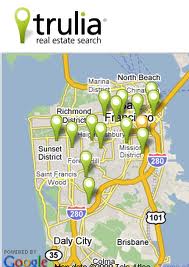
There’s a website called Trulia that can help. It’s primarily a real estate website. However, natural disaster risks have can have a huge impact on the home’s investment, not to mention your family’s safety. Trulia has maps to help you look at potentially and historically disaster areas before you buy. These maps show where the high risks of wildfire and earthquakes are, and that’s just a start. These maps use historic and government data to let home buyers know where the greatest risks are.
Supposed you work hard all your life for decades and do the right thing. After years of saving up, you find your dream home to spend your golden years, whether it’s in southern California or the Florida coast. You log on Trulia only to find out your neighborhood got rocked by an earthquake or nearly washed away by a hurricane or flood in recent years. Wouldn’t you think twice before you invested in that dream home? That’s the great thing about Turlia. But keep in mind you can only get this update on their local based site.?Can we hope other real estate websites, or other sites follow suit?

Aug 9, 2013 | Computer technology, Entertainment
Is it me or are there a lot of buyouts going on? Well, I’m listing the Top 10 buyouts in the 2010s. I’m listing them in the order of importance, not really in financial order.
10. Electronic Arts buys Pop Cap, July 2011, $750 Million: Your favorite games like Planets vs. Zombies and Bejeweled Blitz are now part of the same company that brings us Madden NFL and The Sims, giving EA mega gaming power.
9. Disney buys Playdom, July 2010, $563.2 Million: Remember when Disney was about children’s movies and amusement park resorts? Now they’re about owning ESPN, ABC and Playdom, one of the largest social media gaming companies. What’s next?
8. Amazon buys Klva Systems, March 2012, $775 Million: It’s Amazon’s second biggest acquisition in it’s history, but Klva builds robots. Robots are going to be a huge part of our near future one day, and Amazon is in the driver’s seat.
7.. Amazon?buys Quidsi, November 2010, $545 Million: Quidsi is behind diapers.com and soap.com. This acquisition gives Amazon more power over our household products and gives chain stores stiff online competition.
6. Microsoft buys Yammer, June 2012, $1.2 Billion: No coincidence why this tech conglomerate is interested in this private? social media network for businesses.
5. Oracle Buys ATG, November 2010, $1 Billion: This major computer systems corporation got a major ecommerce software provider. Now that these two are teaming up…
4. Yahoo?buys Tumblr, May 2013, $1.1 Billion: It’s Yahoo’s biggest purchase in the midst of it’s big comeback. Will Tumblr help Yahoo get in the social media game?
3. Facebook buys Instagram, April 2012, $1 Billion: The social media king got even bigger when it acquired this online photo sharing giant.
2. Google buys Motorola, August 2011, $12.5 billion: It’s still debated why this acquisition happened. I think Google wants to compete with Android and Apple in the smartphone arena. What better way to do it?
1. Microsoft buys Skype, May 2011, $8.5 billion: They’re many reasons why this deal happened. My favorite is juice for Windows 7 Mobile and future Windows. But everyone wanted Skype. Microsoft got it.
Which acquisitions did I miss?

Aug 2, 2013 | Computer technology, Entertainment, General, Wireless
It’s August. I know, summer’s not over yet, but it is the back to school shopping season. I know many of you don’t want to hear that, but I’d like to help prepare you with some great gadgets for this upcoming academic year.
10. Laptop Lock: You’ll need this in the worse way. This won’t just protect you from theft, but what if someone hacks into your system and starts real problems?
9. Noise Cancelling Headphones: While your roommate and friends are blasting that so-called music, you’re going to want these.
8. Microsoft Explorer Touch Mouse: It’s not your ordinary mouse. It’s sleek, wireless, fast, smooth, and runs longer than the Energizer bunny ever did.
7. Nintendo 3DS: I know the parents aren’t going to like this suggestion. But this portable gaming system and it’s Mario and Zelda themed games?are?huge stress relievers. And I can think of far worse relievers.
6. Dragon Software: I would bargain my soul to have software like this! You can talk into it and the dragon does your documents for you?! Kids today have it too good sometimes.
5. Netflix:?There’s a lot of crap on TV today. Some of it I wouldn’t recommend to a mosquito, much less a kid.?Thank goodness for Netflix!?Get all the movies, games and entertainment you want for far less than cable or satellite!
4. Amazon Kindle: Soon, textbooks will be on the endangered species list, especially on the college/university level. Plus, why do you want to carry 10 books around when you can carry them all on this device?
3. Samsung Galaxy S4:?There are so many things this device from heaven has that if I listed them all, it would take several pages.
2. ?Ipad: The LA school system is already handing out free ones to kids as an educational tool. One day, this device will be in every classroom in America. Mark my word!
1. Mac Book Pro: No more using a chalkboard! Using this Mac Book to teach history, math, writing and reading has almost become standard. Using Mac Book Pro for paper and project is the wave of the future.
Which device have I left out?

Aug 1, 2013 | Computer technology, networking, News
With Google Now, you can get info on everything from flight, nearby attractions, and?even when the next bus or subway is coming.?But now, Google?is making sure you can do even more.
They’re now attempting to get people to watch the news closest to them. They’re testing a local news card. Since Google now can help you find things in your local?area, they’re hoping that holds true in local?current events. But it’s not just about current events. One Google VP gives an account of finding out Miss Mexico visiting his son’s school; he?also?finds out about a stabbing in?his neighborhood.?Before you rush to get this card, please note it’s in?testing phase; they don’t?know when, or if, this is going to be released to the public. Plus, no major tech based corporation has been very successful with trying to conquer local news. Remember the doomed?NBC Every Block?
Can I get the elephant out of the room? I think Google is wasting their time with this local news venture. Google Now is doing very well. You can find out enough about what’s going on in your local world. For example, I found out through Google Now that my train was delayed, saving me a lot of frustration. Plus, I think people still like to stick to their local news affiliates and newspapers for their local stories. Please don’t take that from us! Do you think this Google Now news card is even worth testing?

Jul 31, 2013 | Computer technology, News, Security
Perhaps the story of the year is the NSA surveillance situation. We’ve learned the government is spying on our cell phones, emails and social media post. Now there’s a new revelation in this gift that keeps on giving.
The NSA now proudly reveals a program called XKeyscore. That is a wide-reaching intelligence development system for the Internet. According to reports, XKeyscore can be used to access many, many agency databases by simply giving a reason for the access. Another says it can cover nearly everything everybody does on the Internet ever! Some analysts say?XKeyScore can intercept all Internet activity. Some say it allows legal authorization to track any American without a search warrant. And apparently, this just didn’t start. As early as 2008, the NSA documents 300 terrorists were brought to justice thanks to XKeyScore.
But what about the rest of us? What about the rest of us who are just living our lives and obeying the law? Yes, you can use that old line, “If you’re not doing anything, then you don’t have anything to worry about.” Really? What is you say something in an email or social media post the authorities don’t like? What if you buy something online the authorities don’t like? And when they question you, what if you give them the wrong answer? Or worse yet, what if this system gets into the wrong hands? I just?read a disturbing story about hackers controlling someone’s?car behind a computer screen. What’s going to be next?
