
Aug 25, 2015 | Computer technology, internet
Have you ever been to a 3D movie? Was it a great experience, wasn’t it? How would you like to make your own 3D movie or your own 3D program?
Thanks to a Microsoft research project, you’ll be able to do so soon. It’s called Mobile Fusion. If Microsoft has it’s way, you’ll be able to crate your own 3D images on your mobile devices. It won’t be difficult. You’ll be able to create 3D images as easy as you take a picture or shoot a smartphone video. In fact, this 3D tool may be better than any other 3D tool available. Yes, it’s more accessible and virtually anybody with a smart device can get it. You don’t even need extra hardware. You don’t even need an Internet connection at all. That means people in the most remote locations, like in the woods or sailing on the seas, can get the same 3D experience as in a downtown major city. “Everything happens on the phone itself,” one research scientist explains it. Allegedly, the scans are so good they can be used for video game creation. Mobile Fusion is expected to be showed off at the ISMAR conference (International Symposium on Mixed and Argumentative Reality). ?This conference will take place in Fukuoka, Japan in October 2015. Let’s see how it goes.
So far, it sounds like a pretty good sale. I can see filmmakers definitely buying into Mobile Fusion. How cool would it be to tell a short story not just through film, but through 3D film? It would put the audience right there. The other good news for filmmakers is they can use Mobile Fusion anywhere. Without Internet connection, you have no restraints. You can shoot a lot of action adventure scenes in woods, fields, beaches, at sea or anywhere. If someone is creative, they could create and patent some video game scenes. Who else could benefit from Mobile Fusion?

Aug 24, 2015 | Computer technology
This morning, on ABC’s Good Morning America, Apple CEO Tim Cook discussed ConnectED. ConnectED is an education initiative to make tech knowledge available for all children and students in America. Tim Cook talked about how his company is making that dream come true.
So far, Apple has issued many grants supporting technology education all over the US. Those grants have reached 114 schools in 29 states. They made a $100 million mandate to teach kids from all walks of life how to use Macs, iPads, Mac Pros, Apple TV, and other Apple based technology products. Cook hopes this will help the ‘digital school divide’. During an interview with Good Morning America co-host Robin Roberts, Cook didn’t reveal any new technical revelations or strategies. He focused on the social benefits of Apple’s role in making technology available to all. The interview took place at Tuskegee Public School in Alabama, one of the greatest benefactors of the ConnectED program. Cook stressed technology is a key part of education today. He said, “Kids today, they’re born in a digital world, but too many kids, when it comes time for the 8 o?clock bell to ring, go to an analog world”.? That needs to be changed. Cook calls for a hands on approach when it comes to kids in technology. ConnectED’s goal is to get high speed internet to 99% of American school students by 2018.
One thing about Tim Cook‘s interview struck me. Today’s kids really are born in a digital world. Today’s college freshmen were born between 1996-97. That means they never knew a time without the Internet. Today’s high school freshman were born between 2000-01. That means they never knew a world without cell phones or laptops. Today’s sixth graders were born between 2003-04. They never knew a world without social media. See where I’m going? Technology is no longer a luxury in education. It’s a necessity. Technology is critical in the success of future generations. I’m glad Apple is taking this step. I long for the day where every American child has access to proper technology, regardless of income, race, neighborhood, or any other social demographic. Don’t our kids deserve the very best?
Aug 18, 2015 | Computer technology, internet
People all around the world from technician experts to first time computer users are bragging about Windows 10. But even the greatest inventions have their flaws. This one could have a big one. Is Windows 10 Spying on us?
According the most articles, the answer is yes. In fact, it tracks nearly everything you do. In their novel of an agreement filled with legal gibberish, Microsoft pretty much says Windows 10 can watch you use the bathroom if it wants to (lol). Okay, maybe that was a little graphic, but it’s not that far from the truth. In king’s English, here is Microsoft’s privacy statement. There’s not much privacy in that statement, is it? However there is good news. There’s some things you can do to opt out of this potential privacy invasion. First, go to your settings and click on privacy. There, you’ll find thirteen screens. If any screen seems suspicious of privacy invasion, disable it! Adapt what data each app can access. Voice assistant Cortana has to go. It’s like a data snitch. Are you tired of those pesky ads following you from website to website? Go to this website?and turn off the purple ‘personalized ads in this browser’ and the green ‘personalized ads wherever I use my Microsoft account’. They’re other methods out there too, but these are the most basic and common sense ones.
Ladies and gentleman, when you hear that Windows 10 or any other technological system is spying on you, don’t panic or freak out! There are usually ways to protect your and family’s privacy. It’s easy to fold up our arms and cry, “That’s just the way it is today. There’s nothing we can do.” Yes there is. We just need to know what to do. The beauty of it is, these corporations understand our concern…somewhat. And now they’re offering ways to guard our privacy…somewhat. What are other things we can do to keep or privacy, and sanity, in tact?

Aug 14, 2015 | Computer technology
No, I’m not talking about the 1990s TV show. This Blossom is a computer bot that’s helping world renowned news entity New York Times.
This Blossom helps NY Times decide which stories to report on social media and filter out which ones to leave alone. For example, did you know that of the 300 stories the NY Times publishes on any given day, only 1/6 make it on it’s Facebook page? Blossom will help with such issues. This intelligent bot is built in the messaging app called Slack. Slack predicts which stories, articles, and blog posts are the best to promote on social media. It collects and studies data, like content and potential performance. Those in the NY Times newsroom query Blossom through the Slack app. If they ask, “Blossom Facebook?”or “Blossom Twitter?” or “Blossom You Tube?” they’ll get answers of which articles might do well. Blossom is the brain child of Alexandra MacCallum. She’s a NY Times asst. managing editor of audience outreach. She leads the charge in finding effective ways to promote stories that go online. Blossom can promote hundreds of stories or urge editors to leave them alone, based on what’s going on socially around them. Blossom is doing well with her task. A post that is approved by Blossom gets read and clicked nearly four times more than non-approved Blossom posts.
Let’s face it: more and more people are blogging these days. You don’t have to be a NY Times journalist to blog. Children can run a blog post. Naturally, this is going to clog up the blogging traffic, and everybody wants to have their articles read and liked. The race for the top SEO spot is more intense every day. Everyone is looking for a way to get that edge over the competition, no matter how big or small it may be. Is Blossom a tool more bloggers can use? Do you see Blossom blossoming among writers and bloggers and journalists alike?

Aug 9, 2015 | Computer technology
In the 1990s, if I told you self-driving cars would be embraced by all, you’d think I was crazy. The self-driving revolution is here, so whose the crazy one now?
There are many reasons for embracing the self-driving revolution: safer roads, better environment, less dependence on foreign oil. Many people flock to self-driving: poor drivers, good drivers who share the road with poor drivers, environmentalists, engineers, tech gurus, job creators even politicians. That’s right. Political leaders in Virginia, California and Texas are in a race to get the auto industry to bring the self-driving craze to their state. They believe jobs and revenue will come with it. That’s because with self-driving comes car testing zones such as fake suburbs, building and running the cars, and mere attraction to an ever increasing popular concept. Someone has to manage, build, test, work and promote these facilities. Self-driving can earn these states $20 billion for the next five years. Lawmakers are banking self-driving cars can do a lot to improve traffic. The greater Washington DC/Northern Virginia area is notorious for having some of the worst traffic in the United States. Maybe self-driving cars can help curb that. These aren’t the only three states opening their hearts to the self-driving movement. Michigan, once the car building capitol of the US and perhaps the world, offered a 32 acre testing facility in Ann Arbor. Florida is setting up a fake suburban facility at Florida Polytechnic University.
California will be in the obvious running, since it is the home of Google and Silicon Valley. But I look at all these other states in the running. Michigan needs the self-driving revolution more than anybody. While I do sympathize with Northern Virginia’s traffic problem, at least they have a good public transit system (yes, I’ve taken it before). Michigan has been in an economic slump for decades. They’ve seen jobs shipped overseas. There are articles saying much of Detroit is now owned by China! Self-driving cars and their testing facilities could be the break Michigan needs. Which states do you think need to be in the running for self-driving testing?
Aug 8, 2015 | Computer technology
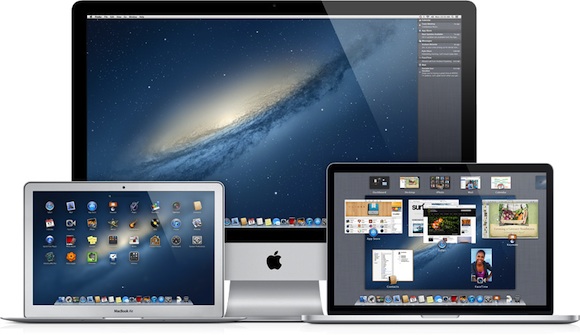
Do you have the week of September 7, specifically the day of September 9 marked on your calendar? If you’re a lover of all things Apple products, you should have this time marked!
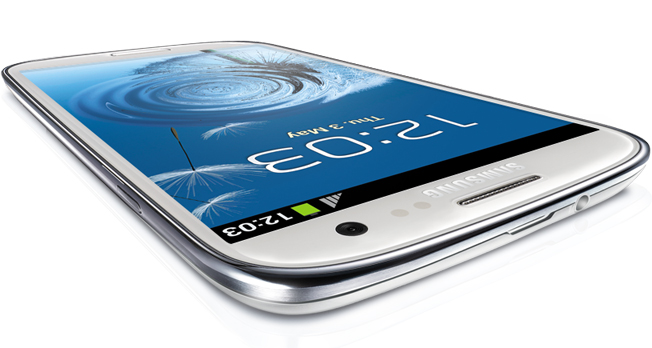
Sources in the tech world say Apple will have their annual fall media blitz on September 9, the same day they had it last year. It should be made clear this is just speculation. Apple hasn’t confirmed this and they’re declining to comment about it. But there will be a lot for Apple to showcase this year, and there’s no dispute about that. First there’s a fresh batch of iPhones coming. The new ones are expected to have cool features like Force Touch display, improved cameras, and a new and improved wireless chip. Watch for a new crop of iPads, like the 12.9 inch iPad Pro. Then there’s the new Apple TV system. It was supposed to be revealed back in June at the WWDC conference. Now sources say they’re going to reveal Apple TV at this September media extravaganza. Say goodbye to that top box and say hello the Apple A8 system, better on-board storage, and Siri voice control, among other features. I can’t stress this part enough: this upcoming conference is speculation only. Apple has yet to confirm any of this.
I hope this conference does happen and Apple needs to knock it out of the park. Apple hasn’t had much good news recently.?Apple?stocks fell six percent in one week, and seems to be taking the rest of the market with it.?Apple’s iWatch is being blamed for a sharp decline in US watch sales. Apple Pay has it’s share of problems. Needless to say, Apple needs this conference to happen. Apple needs this to be the best fall media blitz they’ve ever had. Apple needs results in the wake of this media blitz. Will September 9 be a day of breakthrough or a day of infamy for Apple?
