
Jul 26, 2017 | Uncategorized
Did you know that cyber crimes are the fastest growing crimes in the world today? Also, the criminals are getting better and smarter. But apparently, so is Chinese technology. China launches hack-free Internet service.
So China comes up with an ‘unhackable’ network. They’re doing this by moving from encryption to?quantum cryptography. They came up with this in Jinan, a hotbed city for Chinese tech. But this network won’t be for everyone, not yet. They’re gearing it toward their government, military and corporate powerhouses. However, China is virtually the only nation investing in quantum technology. So what is this new trend? And why will it keep the Internet hack free?
It’s all in the keys. For more secure messages, light particles surround the keys while you’re typing. Then, the receiver can read it with such keys. So if anybody breaks into the light particles and hijack the message, the light particles stop the interference. Furthermore, they will alert both sender and receiver of the hacking attempt. You see, regular encryption is venerable. Some blame their shelf life. Others blame current computers. But here is the other question: Why is China virtually the only nation investing in this?
Several reason. One is because quantum tech is very expensive. The other is many think it won’t work. Some say that China has the money and manpower to invest in this. Well, doesn’t the United States? And doesn’t many other Western nations? This is my concern and fear. Look at the cyber attacks that happened this year alone. And until we’re doing something about it, nobody in IT support is safe. At least tech heads in China are trying to do something. So I can’t accept ‘we can’t afford it’ as an excuse. We can afford to at least try. If we can afford to make robots to take human jobs, can’t we afford to try quantum technology? China launches hack-free Internet service. Shouldn’t we?
Jul 25, 2017 | Computer technology, News
How did you pay for your coffee this morning? Did you use a debit/credit card? Or maybe you used Apple or Google Pay? But how about a microchip? Welcome to the microchip: Is this our future?
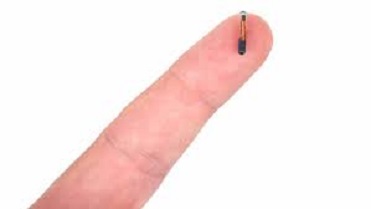
So in Wisconsin, they have a tech company Three Square Market. They specialize in break rooms, also in micro technology. So now they’re offering an RFID (radio frequency identification) chip to their employees. They can use the chips to scan their way into the building. They can also use it to pay for food in the building. Through a needle, they stick the chip between your thumb and finger in your right hand.
The chip is about the size of a grain of rice. Furthermore, the chip is strictly optional. However, over 50 Three Square Market employees agreed to take this chip. They’re doing this to promote RFID technology. So welcome to the microchip. They want to do plenty with this chip. In addition to buying and opening doors, they want to use copy machines, log in computers, unlock your smartphones, store medical records, and buy and sell everywhere. And we don’t even know the half of it. They claim this RFID chip won’t follow you around. So they say.
But eventually, it will. There is already technology where you can track your dog and your kids. In Sweden, a whole office is controlled by the microchip. Is that what this microchip is leading to? Fifty may take it now, but most Americans I talked to want nothing to do with it. People in this Boston computer service shop don’t like it, so don’t bring this nonsense around here. I saw a poll on Facebook of around 2,000 people. Of those, 200 people would take the chip. Then another 500 wouldn’t take it, but wouldn’t quit that job, either. And then, the other 1300 would quit right away! I posted a news story on my FB page. The results ranged from, “Oh, goodness no!” to “What the (explative)?”. Nobody seemed excited about this microchip. So would you take it?

Jul 24, 2017 | Smartphone
In China, there is the?Xinjiang Provence. This province is the home to majority of China’s Muslim population. So why do I bring this up? Because here is where China throws their surveillance weight around. China’s spyware demands: But not on everyone.
Chinese authorities order Xinjiang citizens to install a certain app on their phone. This app spies all talk on their phone 24/7, and follows them around too. They also have sporadic tests to make sure the people have this spyware. In fact, they wrote a note in Arabic as well as Chinese. They call this app the Jingwang app.
The Chinese government is teaching people how to scan QR code to their phones. This allows for China’s spyware demands. Because the Jingwang app detects any terrorist activity, or any other illegal activity for that matter. Or so they say. But what if people rebel or disobey these spyware demands? They will be detained for 10 days. Something tells me it will probably be longer. Human and civil rights activists naturally warn against this app. But they also recognize how powerful Chinese cops are. Xinjiang has a population of about eight million Muslims. Most of them are from Turkey. For decades, they endured lots of oppression at the hands of Communist China.
That’s why we need to be weary of China’s spyware demands. Something tells me they don’t give one care about Xinjiang’s safety or security. But they’re just doing it to impose their will and power. For them to use computer repair and smartphone surveillance is wrong, to say the least. But what does this have to do with us in America? Think about how close our economies are. Think about how big the surveillance culture is. I’m scared to write this because I don’t want to give anybody ideas. Do you really think this can’t happen to the USA?
Jul 23, 2017 | Computer technology
Several years back, I read a story about airports scanning eyes and faces. They did this because they used laser technology to identify you. But now, Delta follows suit…sort of. Delta Airlines fingerprint passengers.
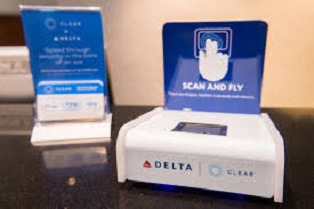
So are you a member of Delta’s Sky Miles program? Do you fly out of DC’s Reagan airport a lot? Then you can take part in their CLEAR security program. But I almost forgot, after all that, this program still costs $179 a year. However, you can save time and let them fingerprint you at the airport for ID purposes. They started this in May 2017 and it’s getting more popular every day.
When Delta Airlines fingerprint passengers, they can board a plane and/or enter Sky Club lounges without an ID. Also, using this biometric technology, you’ll be able to check in bags with with your fingerprints. That should be official by September 2017. Delta executives love this program, and we should expect more to come. One says it’s more accurate than regular tickets. Also, they say it helps better with seat changes and other last minute things at the airport. And you don’t have to keep track of your fingerprint like you do a paper ticket. This is in addition to the RFID baggage handling app they added on last year.
Usually, I’m very weary about technology following me around like this. But this time, I can deal with this. That’s because I remember losing my tickets in the airport twice. Thankfully, I found them and some staff helped me find them. Of course, one time they said to me, “You either find that ticket or you’re going nowhere”! That was motivation enough. Maybe this kind of IT service and fingerprint technology will stop such awkward conversations. I want to hear from you guys. How long will it be before this is available to everyone? Will this cost human jobs for robots?

Jul 21, 2017 | youtube
You Tube is a social media and video sharing powerhouse. We all know that. In fact, much of my entertainment comes from You Tube. But it’s not a perfect system. It’s clean up time. So Goodbye to You Tube Video Editor, and Photo Slideshow.
Because hardly anybody uses them, You Tube will shut down their Video Editor and photo slideshows. The shut down will begin September 20, 2017. But you don’t have to take my word for it. Just go to the You Tube Help Forum and Google Products’ Forum. Even Google and You Tube leaders say ‘limited use’ is the cause of this shutdown.
But that’s not all. You Tube wants to focus on creating new tools and make more popular features even better. ?For example, maybe they can use something like iMovie or Movie Maker. But if you’re still using Video Editor, you better wrap it up. When they say goodbye to You Tube Editor, they mean it. After September 20, you won’t be able to make anything else with it. Not only that, but they will erase unfinished business with your editor. But this won’t mess with existing videos, just won’t you haven’t put up yet. And if you wait until September 21, and still depend on You Tube video editor, you never will get them up.
This is a big step for You Tube. It’s also a necessary one. I say this because Facebook video is on the rise and rising quickly! On my Facebook feed, I see a live video almost every day. In fact, a customer in our Boston computer service shop shows off his Facebook videos often. Then there are those who make their video with their smartphones and other measures. You Tube isn’t the only candy store anymore. In a while, it may not even be the biggest candy store. So if they want to stay on top, they need to say goodbye to You Tube video editor. How will this affect You Tube?
