
Apr 13, 2016 | News
Starting at 6am this morning, about 39,000 Verizon employees from Massachusetts to Virginia went on strike. The strike is over new contract issues that are over eight months old.
The workers are members of unions Communication Workers of America and International Brotherhood of Electrical Workers. They’re Verizon electricians, installers, costumer service representatives, repairmen, drivers, and other employees. They represent nine states and the District of Columbia. Most of them put down landline services and FIOS Internet services. Keith Pruce is a union president, who is right on the picket line. Like most strike workers, Pruce says this has to be done to maintain jobs and a standard of living, and they’ll be on those lines as long as it takes. Another striker says without a fair contract, Verizon will be able to move jobs overseas. Strikers accuse Verizon of everything from cutting health care to freezing pensions to making layoffs easier. Verizon wants to stop people from working at home at length. Some strikers complain this will allow jobs to be outsourced. One father of 3 fears, “I feel if the company had the opportunity, they would just lay people off.” Verizon said they prepared for this strike by training by hiring non-union workers to fill in. But how long will that last?
I can understand why some workers are so concerned. So far in 2016, companies from Yahoo to Sears have laid off many. Remember the outrage in Indiana when air conditioner company Carrier layoff workers? Look at how many tech companies have either sent jobs overseas or have offshore accounts. I hope this strike doesn’t last long because if it does, service could get severely crippled; I don’t care how many replacements they have. The strikers had better hope this doesn’t last long. Remember the 1981 air traffic controller strike? Remember what the end result was to all those workers?
Apr 12, 2016 | internet
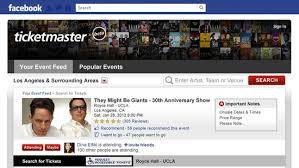
Yesterday, I talked about this new app Mark Zuckerberg was building for Facebook. Now, within a 24-hour period, Facebook has made deals with two major ticket brokers.
Both Ticketmaster and Evenbrite will be selling concerts through Facebook in the coming weeks. Ticketmaster will start selling tickets through Facebook later this month. Plus, Facebook will get a fee whenever their tickets are sold through them. An Evenbrite spokesperson said they will offer Facebook no such fee; we don’t even know how Evenbrite will compensate Facebook. A Facebook representative said his company wants to reach platforms in all walks of life, saying, “We want to help not just people find events, but also get to events faster.? Ticketmaster and Evenbrite have something to gain too. Facebook has 1.6 billion users. Just think, it used to be just a billion. ?But now, that’s over 20% of the whole world’s population. The reasons of this business deal should be obvious. But one reason may not be. It’s getting pretty difficult for these ticket brokers selling on their own websites. This is thanks to mobile apps and other websites offering easier ways to get the same tickets at equal or lesser price. An Evenbrite VP expressed excitement and optimism about the deal by saying, “?Enabling a seamless purchase experience for consumers in places like Facebook where they are spending significant time is an important step in this mission.”
These are smart moves on the part of Ticketmaster and Evenbrite leaders. I can go on ESPN and get a sports ticket through them. Okay, Stubhub provides the tickets, but surely you know what I’m getting at. Believe it or not, there are ticket counters around my city where you can get the tickets, and even pay cash. Hard to believe in 2016, huh? But more and more people are using the Internet and their smartphones to get tickets. And if customers can’t find them on their regular website, then maybe Facebook and other social media is the way to go. Would you buy an Evenbrite or Ticketmaster ticket off Facebook?
Apr 11, 2016 | internet, Uncategorized
Facebook is in a dilemma. People aren’t sharing enough to their liking. During a live demonstration, Facebook CEO Mark Zuckerberg demonstrated changes to their live streaming app.
There’s the revamped interface for Facebook posting. In the demonstration a ‘What’s in your mind’ box. This box is always open for posts. When the post is finished, you’re given the option of writing a note, putting up a photo, or making a video. This design isn’t available to the public…not yet. Facebook headquarters have been working on it for the last couple of months. It’s meant to be a more fun way to share. This new app includes posting options, like sharing music and slideshows. This app would have a GIF button. I read an article that said, “Facebook doesn’t think we’re sharing enough.” I thought to myself, “No, people share on Facebook all the time.” Then I read some numbers. Facebook overall sharing has fallen over five percent in a one-year period. Sharing of thoughts and pictures declined over 20% between the summer of 2014 and summer 2015. Zuckerberg warned not all features will be made public. He says much of this will take time.
That shouldn’t alarm anyone. That’s how typical Facebook does things. They keep testing and re-testing to a smaller audience. They wait to see how accurate and effective it is. If it’s good enough, they’ll advertise it to ?larger market. So it could take months before we see this feature. What surprised me was Facebook was losing that much sharing. But it shouldn’t. Facebook is facing a lot of competition now. We can share with Twitter, Snapchat, Instagram, Periscope, and other options. Facebook isn’t the other candy store in town. Competition is forcing them to get better in sharing. This is what free market and capitalism is all about. It’s competition that makes you do better. We don’t know when this new Facebook app will be made public. Do you have any guesses?

Apr 10, 2016 | Security, Software
Yesterday, I talked about Japan’s plan to keep tourist ‘safe’ at the 2020 Olympics. They plan to implement a system in which no tourist can buy or sell unless they are fingerprinted. That means, no tourist will be able to use Japanese cash, just your fingerprint.
I read an interesting article in The Atlantic. Ever hear of Operation Choke Point? We were told it would fight predatory lending, the kind of lending that helped cause the Great Recession of the late 2000s. But big banks weren’t targeted: So-called ‘morally unsavory’ businesses were. This includes gun dealers, adult entertainment, gambling, dating services, online alcohol dealers, even coin dealers. Many gun stores and adult website owners complained of being cut off by their credit/debit card companies, to the point their websites couldn’t even process them. It gets worse. An adult film actress named Eden Alexander said she couldn’t even get the prescription drugs she needed because the medical providers just assumed because she’s a porn star, she’s going to abuse the prescriptions. When fellow porn stars raised funds to help her out, their platforms GiveFoward and WePay?shut that down too, claiming they violated policy. This ordeal almost ruined her health and finances. Don’t even get me started on how they’re following EBT recipients like a hawk.
I noticed how they’re not targeting 1% big banks or bankers, but 99% ordinary people. Let me be clear: We at Geek Choice do not endorse adult entertainment. But Eden Alexander is a human being and an American citizen. She should not have to endure such cruel treatment at the hands of banks and credit card companies just because she’s involved in a ‘morally unsavory’ business. This is when technology becomes too far reaching. I love technology. But when it tramples on peoples rights to life and liberty, that’s when things get dangerous. I don’t see them getting any less reaching. Can a cashless society lead to big brother?
Apr 9, 2016 | News, Security
These are crazy time we’re living in. I read an article of how the EU wants visa requirements for Americans and Canadians just to visit Europe, even it’s just for a weekend. Japan wants to go even further, using today’s technology for identification purposes.
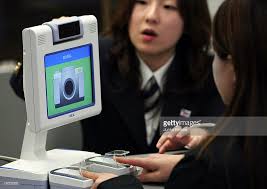
This year, Japan, the nation that gave us the robot greeter, ?will test fingerprint systems for identification and security purposes. If this is successfully, the only way tourists will be able to buy or sell is through a fingerprint. This is supposed to fight theft and keep tourist from using credit and debit cards. Japan hopes to have this system in place by the 2020 Olympics. Tourist will have to register their fingerprints, credit/debit cards, and other information as soon as they arrive at the airport. They would be able to make purchases only if they pass identity inspection. That’s when they place two fingers in the device that’s already installed throughout that nation. Japan even wants the fingerprint tests installed in hotels. As of now, you can check in with a passport. But it won’t just measure who is in the country. Your spending habits will be analysed and processed by the Japanese governments, probably by Japanese corporations, too. There is already an outcry against this system. Some are concerned about tourists feeling uneasy about using such a system.
I know I wouldn’t use it. I’m not even that crazy about that RFID chip in your credit card. I wouldn’t even go to the 2020 Olympics if I knew I couldn’t buy or sell without a fingerprint. All it takes is one or two hackers to break into the system and infect it for everybody involved, the tourist as well as the government and businesses. Do they really want to take that risk? No, this has Big Brother written all over it. And they’re going to analyse our spending habits? What are they going to do next? Tell tourist where they can or can’t buy?
Apr 8, 2016 | Uncategorized
So you dream of making it to Silicon Valley? Who says you have to be tech savvy? If you’re a good creative writer, then Silicon Valley needs your services.
Let me explain. Poets, fiction writers, novelists and comedians are being hired to work on artificial intelligence. Tech heavyweights Amazon, Apple and Microsoft call on the artistic and humorous types to help engineer artificial intelligence personalities. They’re being asked to help virtual assistants perform every day tasks, like reading emails. As far as virtual assistants are concerned, Siri isn’t the only candy store in town. These storytellers will breath life and life stories for their bots. At a time when many in Silicon Valley struggle, virtual assistant start-ups raked in $35 millions worth of investments over the past year. We can partially thank new apps like Facebook Messenger and WeChat for this virtual assistant movement. And this kind of technology is becoming less of a recreation and more of a necessity. By 2019, 1/3 of the American workforce will have to such technologies in this capacity. By the mid 2020s, 12.7 million Americans will be building robots and automotive virtual assistants. Microsoft’s Cortana has six people working on her. They include a playwright and a former TV script writer.
That’s just one example. We’re coming to the point where VR is no longer about games or fantasy. Whether we like it or not, VR already is or will be a part of every day life. These are dignified and professional people, but they still need to be careful. The last thing we need are more Tay episodes, where VR personalities spit venomous and hurtful filth. I think we should be awfully careful not to make these virtual assistants too human. I’ve read some creepy stories of people wanting to marry robots. These stories remind us that if technology is abused, it can cause serious social discord and isolation, to the point where we don’t even want to deal with each other. On the flip side, can the virtual assistant boom help Silicon Valley out of it’s decline?

Apr 7, 2016 | internet
A few days ago, the world was made aware of the Panama Papers. The documents expose people creating huge tax havens. Now there are documents out there called the Yahoo Books. They expose Yahoo’s dire economic situation.
This book is given to potential buyers to help them make a bid. I’ve reported before that Yahoo, one of the Internet’s first companies, was in a downward spiral. This book shows just how bad things are. According to this book, Yahoo’s revenue is down 15%. Their earnings are down 20%. The cash flow is drying up. So is their labor force. In December 2014, their roster consisted of 12,500 employees. By December 2015, it was 10,500. By December 2016, the roster is expected at 9,000. Yet CEO Marissa Mayer is paying her top exec and assistants double, just to keep them from leaving. Now, another $200 million vanished thanks to failed dealings with China’s Alibaba group. The future isn’t looking bright. In 2017, Yahoo expects to lose another $120 million due to another bad business deal from Japan. I’m no mathematician or anything, but some articles say Yahoo is buying revenue from companies like Mozilla and Oracle. We’re talking hundreds of millions of dollars worth. Buyers are asking questions about Tumblr, sales declines, and media unit cuts. These are questions no Yahoo exec entertains, and the first bids for Yahoo are due Monday.
From where I’m sitting, Yahoo reminds me of what used to be the best house in town, the house everyone went to, the house you knew you’d get treated right. Years later, you walk by and see that house in shambles. It’s barely staying upright. The homeowners are trying to repair the house, hoping it would stay afloat. But every repair they make seems to make things worse. Now, there’s no other choice but to get someone to buy the house. But it’s so bad that even buyers are weary of acquiring it. Would you invest in this Yahoo house?

Apr 6, 2016 | internet, News, Security
North Korea is at it again. Dictator Kim Jong Un is using technology to further isolate and oppress his own people. He’s using it to threaten and intimidate the rest of the world.
First off, North Korea’s capital, Pyongyang, announced it’s total blockage of Facebook, You Tube, Twitter, and all South Korean websites. They’re also banning gambling and hard core pornography sites. For most North Koreans, they already have little or no online access. But visitors enjoyed basic, but heavily monitored online freedom. More than two million North Koreans have cell phones. But only officers and hand picked citizens had online access. Now, not even they or visitors have access to such sites. The law says anyone caught using Facebook, Twitter or ?You Tube will be subject to punishment, but Pyongyang was illusive to what that punishment would be.
Then, North Korea is jamming GPS signals. This tampering severely affects air and sea travel around the North/South Korean border. In the last month, this GPS jamming happened over 100 times. South Korean leaders say these jams haven’t caused major damage or incident. But they do believe this is blatant provocation on North Korea’s part. North Korea has had this jamming system since 2010, to be used in acts of hostility against the US and South Korea.
Why is North Korea doing this now? We all know how they sent satellites after the Super Bowl. They claim not only to have nuclear weapons, but they claim they can send them over the Pacific. Kim Jong Un, just like his grandfather and father before him, have always used extremely oppressive measures against their own people. This dictator is upping the ante. Why is Kim Jong Un blocking social media sites entirely, even for visitors and his own officers? And he’s toying with the GPS systems? I’m almost afraid to ask what the punishment would be if a North Korean did look at one of these websites? What is Jong Un trying to prove here?

Apr 5, 2016 | Entertainment, internet
Okay, why am I blogging about NFL football in April? The Super Bowl was two months ago. The regular season is five months away. But Twitter has gotten involved with the NFL in a major way.
Twitter won the rights to show NFL football games live on their social media site. They beat out tech heavyweights Yahoo, Verizon, and Amazon. Starting this upcoming season, Twitter will stream 10 Thursday night football games for free. Twitter stockholders have already responded. Their shares gained two percent. They’re already making up ground for the 26% they lost so far in 2016. It’s been Twitter’s dream for it’s service to discuss live events as they happen. The NFL knows more fans are streaming games. Twitter is expected to broadcast these games through their Moments feature. Obviously, Thursday night football isn’t as popular as the traditional Sunday or Monday night football. So Twitter takes advantage of this growing trend on the ground floor. Twitter knows in 2021, current broadcasting contracts will be up. They will resale rights. Twitter wants in on that sale. Twitter CEO Jack Dorsey says Twitter’s role centers around world events, bringing live information about these events and sharing information about these events.
Dorsey should be very pleased with this new deal. The NFL is the most popular sporting entity in the United States of America. As Twitter celebrates their 10th anniversary this year, this is huge for them. I think celebrities post so much on Twitter that regular people think Twitter is just for celebrities only. That mentality can easily drive Twitter membership down. But the NFL will easily pick those numbers up. Now that Twitter will broadcast NFL games on Thursday, that gets their foot in the door for Sunday broadcasting in 2021. Twitter had better advertise this to the moon if they want be in the 2021 conversation. Could the NFL rights be the best thing that ever happened to Twitter?

Apr 4, 2016 | General
How long has it been seen you heard about a tech company going public on the NYSE? If it feels like it’s been a while, then you’re right.
No tech companies have gone public so far in 2016. The last time something like this happened was in 2009. In 2009, they went through the first several months with no tech company going public. The same thing is happening in 2016. But 2009, the US was in the middle of the Great Recession. Just two years ago, in Q2 2014, tech companies’ public dealings made 8.5 billion dollars. The next quarter, that number rose to 25 billion. But the boom was short lived. Beginning in 2015, startup companies got weary of IPO’s (Initial Public Offerings). Startup funding fell, and fell plenty. Venture capitalist went from being generous to struggling to keep out of the red. We’ve all heard, and I’ve reported it some, about how the Silicon Valley party is just about over. People are being laid off. Benefits and perks are being cancelled. Some businesses are forced to restructure their companies, and some are considering being bought out. I’ve looked at charts and I can see why Silicon Valley is on edge. The number of Internet IPOs, and the deals they’re worth. The numbers today are almost non-existent.
What does this say about the tech industry’s economy? What does this say about the US economy all together? I heard presidential candidate Donald Trump predicted another recession was coming soon. I don’t know if he means it or if he’s using scare tactics to get votes. Remember when tech companies went on the market and went up like crazy? Even Facebook, who had a slow start on the market, but even they made a profit. Now, Uber is virtually the only tech company who is doing well on the public market stage. Is this an omen of where the US, and global economies are headed?
