
Jan 19, 2015 | Computer technology, Entertainment
Newspapers, magazines and books are still running strong on the shelves of newsstands, bookstores and even some convenience stores. Throughout this digital age many companies have been going digital and have put their papers, magazines and books online for you to read without having to leave the house.
Now Magzter is starting make trend with magazines. At the beginning Magzter just sold magazines per issue or annual subscriptions to your favorite magazine. It?s just like having them delivered right to your doorstep like old times only without having to wait for the mail. Well now Magzter is starting a subscription model called Magzter gold.
Magzter gold will be a subscription model like Netflix but instead of movies and TV shows you get magazines. At $9.99 per month you will get access to over 2,000 magazines which include Fast Company, ESPN and even Maxim. Magzter has also brought in a lite version for $4.99 per month that gives you access to five titles but you can access the entire archive of those titles.
Now you may ask yourself this is a good idea why didn’t Magzter start this sooner? Well it comes down to the publishers of the magazines and getting them to want to try this. As Co-Founder and CEO Girish Ramdas stated that they have ?always been toying with the idea? and that it only has come to life due to Magzter getting publishers to get on board.
Now this is not first company to do this however. A company called Next Issue is doing this but with just over 140 titles is $9.99 per month but still need a subscription of $14.99 if you want to read weekly items such as Time and The New Yorker.
So do you believe this trend will work out or do you think it will flounder? I believe that it will work out just fine, if these publishers are still printing paper magazines, newspapers and books, why not do a digital subscription. I would like to know your thoughts on this not so new concept. So please leave your comments below.
Jan 14, 2015 | Computer technology, Smartphone
Remember traveling through a foreign land, or being confronted by a language barrier in your own? When you and another person couldn’t communicate through the language barrier, you stormed out in frustration. Those days may be gone, thanks to Google’s improvement translations.
Google app Google Translate?is improving it’s game. There’s Word Lens. Word Lens, through your Apple or Android device, can translate any foreign sign into your own simply by taking a picture of that sign. Keep in mind it only works for the following languages: English, Spanish, French, German, Italian, Russian and Portuguese. They guarantee other languages are coming soon. Then there’s the conversation app itself, which they want to make easier. This procedure was just announced: Select two languages. Then Translate will pick up which language is being spoken and the other language will show up on your device. These improvements can be found on Apple devices, but it’s excepted to move to Android devices very soon.
I look forward to these improvements. It would make it even easier to break that tough language barrier. But I must offer one criticism, and that’s there’s need to be more languages offered. I’m sure most of you are aware that China is the most populous and has the fastest growing economy in the world. And according to Google’s own estimates, over 500 million people use Google Translation a month, and with these improvements, you know that number will rise. It would only make sense to include the two languages, Mandarin and Cantonese Chinese, in this. I can think of some other languages that can be added, but definitely the two major Chinese languages. But thankfully, the days of carrying around a book and looking for words to buy something in a foreign land or store are long gone. What language can you use through Google Translations?
[hs_action]

Jan 13, 2015 | Backup, Computer Repair, Computer technology, General, Law Blog, Malware, networking
Whether it’s Conflickr or a new fake anti-spyware program, it seems like spyware and viruses are inescapable for any computer connected to the Internet. It’s estimated that the amount spent annually on security software in the United States has risen to over $800 million in recent years, but computers are still getting infected daily. Why aren’t we virus free yet?
The answer lies in the nature of malicious programming. Computer viruses don’t spring up out of nowhere, they’re designed by programmers who either have nothing better to do and think it will be interesting, or professionals who make money by abusing your computer. Whenever anti-virus vendors are made aware of a new virus, they create a new definition for their anti-virus software to help isolate and remove that virus if it is downloaded onto your computer. Once the new definition is widespread enough that a significant percentage of computers are safe against that virus, a new one is created by the malicious programmers and the cycle begins again. Nearly two thousand new viruses were identified every day in 2007, and the problem isn’t going away any time soon. This is why you need to allow your anti-virus software to download new virus definitions so often.
Frustrated hackers tired of the rapid turnover of “regular” viruses have graduated to attacking your computer’s defences directly: your anti-virus software. Many new viruses include programming that either hides itself specifically from several popular anti-virus programs, prevents them from downloading new virus definitions, or shuts them down entirely. Even when these new viruses are identified quickly, many computers will already be infected and the software on the machines will be unable to remove the virus. In cases where one virus shuts down the anti-virus software entirely, other viruses will often infect the machine and can render it inoperable in a matter of hours if not minutes. Still other nasty viruses employ tricks to avoid removal techniques, and will re-infect a machine after an anti-virus program or a user tries to delete them.
The fight against computer viruses is non-stop, but you can do something to help protect your system. Installing a good anti-virus program and allowing it to update frequently is just the first step, but beware of fake anti-virus programs you may find online (many of these are viruses themselves). The fake anti-virus programs normally go by the names: Antivirus 2010 Pro, Windows Pro Police, System Guard? 2009, Personal Antivirus, Antispyware XP 2009, and many more. You can see a pattern in how they name themselves. Never download anything from a person or website you don’t trust, never open a suspicious email (you don’t always have to open the attachments to get infected), and don’t go to websites with a poor reputation. If you take these steps and your computer still gets infected, have a trained professional remove the virus for you instead of trying to remove it yourself. Modern viruses can be very difficult to isolate and remove, and it’s very easy to damage your system accidentally while trying to remove one.
If you’ve got a slow computer and think you’re infected, call Geek Choice today. Our techs have the tools needed for proper virus removal and have access to fast breaking news about new types of viruses and their removal. Geek Choice is a nationwide on-site computer service and repair company.? If your computer has any of the following problems, we can help: Slow computer, Virus or Spyware, Computer startup problems, Printer not printing, Not connecting to the Internet, Scanner not working, or the “blue screen of death”. We also offer other technical support services, including: New pc setup, Data Backup or Recovery, Wireless network setup, Business Network Firewall setup, Upgrading memory, cpu, hard drives, video cards, and more. You can pick up the phone at any time and call us at 1-800-GEEK HELP (433-5435).
[hs_action]
Jan 9, 2015 | Computer technology, Entertainment, General, News
I was not able to go to this year?s CES but I have been following it with much anticipation and I have found one thing that I wanted to blog about today. There have been many different news sources covering CES and tons of great information. One thing that stood out to me that I have been very interested in is 3D printing. Awhile back I saw a program about 3D printing foods.
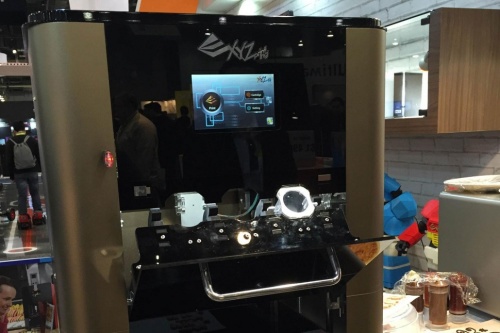
Well at CES 2015 the XYZprinting Company which was founded only in 2013 is bringing the future of food to us now! The food printer which is actually set to release in 2015 for around $2000-$3000 is able to print all types of food and even in different shapes!
From the reports I have seen the printer made candy and cookies made in shapes of dinosaurs. Even pizza made in the shape of a heart! Now all of these items will still need to be cooked but the fact that it can make this is amazing.
The printer has 3 chambers for the printing. They have an extensive amount of items that can be put into the chamber to create some awesome items. From the looks of it now however only baked goods will be able to be created on this device. So cookies, cake decorations and pizza are the biggest items that were shown off at the printing booth. They also showed printing designs on items like cakes and even toast with the chocolate dispenser cartridge in the printer.
With cars that will be powered by hydrogen and drive themselves it is not a surprise that we would be able to print our own food. I am just excited to see what these printers will mean for the food industry most of all bakeries. To be able to take something could take days to craft and sculpture for a cake could not just take hours with these printers. I look forward to see them on the market at the end of this year who is purchasing them. Enjoy the clip below as it will give you some more insight on how the 3D printer was shown off at the CES 2015 booth.
[hs_action]
Dec 31, 2014 | Computer technology, Entertainment, General, Humor, internet
The safest thing you could possibly do on New Year?s Eve is not drink, not go out, not do anything.?You?re probably going to go out, anyway.?You?re probably going to go to some party and you?re probably going to drink. A lot. You?ll dance terribly. You?ll tell someone that you love them. This person is someone you do not love.
New Year?s Day is also the worst day for drunk driving accidents. According to the Insurance Institute for Highway Safety, Over half of all fatal accidents on New Year?s Day happen in the early morning hours and with drivers?with a blood alcohol level over .08 percent.
We hope you don?t make an ass of yourself and we hope you don?t try to drive while drunk. But just in case you do have a bit too much to drink, here are some?tech tools to help you save yourself from your drunk self this New Year?s Eve:
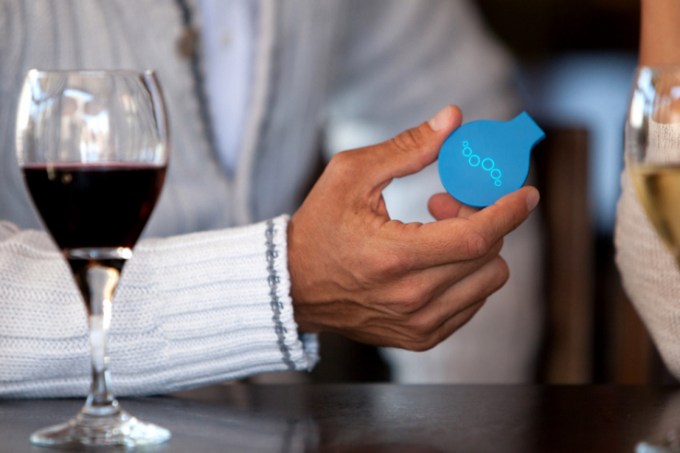
Uber surge pricing might make you feel like you?re forking over what?s left of your rent money on New Year?s but it?s worth taking that or a cab home if you are too drunk to drive. Breathometer helps you know definitively if you are too?inebriated to drive by blowing into either the wireless or original breathalyzer device and then testing your BAC level. For $50-$100 plus a free app, it?s cheaper than most breathalyzers out there.
Hint: if you are having trouble navigating through the testing process, you are too drunk. Seriously, test yourself before you even think of getting behind the wheel.
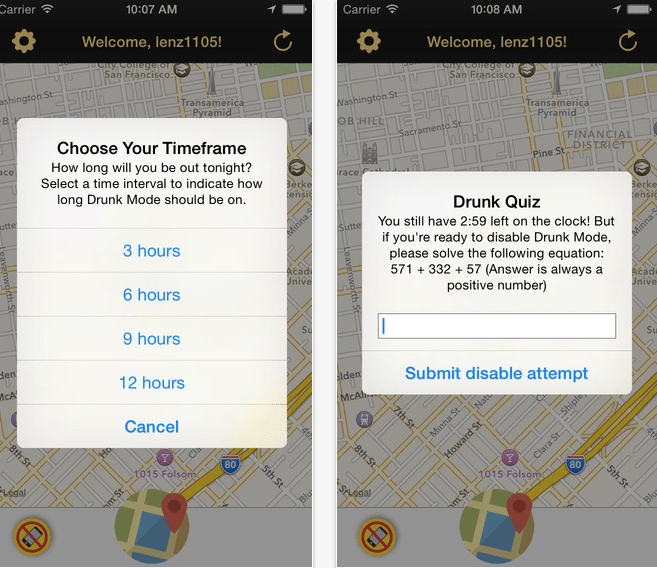
Drunk texting is one of the more incriminating things you can do while intoxicated. Someone else has the evidence of your embarrassing moment.?You might find yourself drinking more than you planned and then whipping out your smartphone in the corner of the room at a New Year?s Eve party and?texting someone?incoherently.
There are several apps that attempt to prevent you from texting while drunk. Drunk Mode hides certain people from your contacts list for up to 12 hours when you tell it you?re about to go drinking. It also helps you locate your drunk friends with the ?Find My Drunk? feature. And just in case you can?t remember a thing, the ?Breadcrumbs? feature helps you retrace your steps, your delirious, embarrassing steps from last night.


Remember when we told you not to drive drunk? Well, this device will make sure you don?t. It?s?a?member of?ignition interlock technology and it is normally geared toward those who have a problem with drunk driving. A?third of all drivers arrested or convicted of driving while intoxicated?are?those with a previous record, according to the National Highway Traffic Safety Administration. California State Senator Jerry Hill has a proposal in the works to require all convicted felons residing in the state to have one of these devices in their car.
The device allows the driver to turn on the ignition in their car only if they blow a BAC below the legally required limit to drive. It?s also pretty pricey.?These devices run anywhere from $500-$1600 and are usually installed by a car dealership.
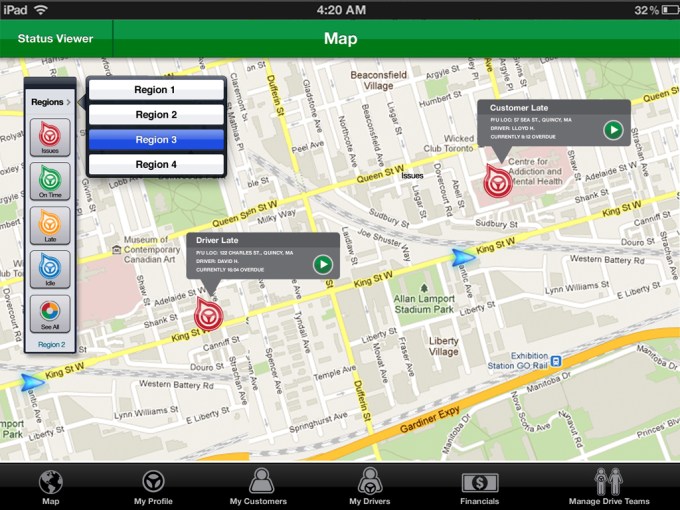
You drank too much, you know you shouldn?t be driving?but you?don?t want to leave your car where it?s parked for whatever reason. Do not drive! For about $40 + $2.65/mile,?StearClear will hire someone?to drive your car for you. It?s possibly more expensive than a cab (on any night besides New Year?s) but cheaper than getting your car towed. It promises not to ?hyper inflate or invoke surge pricing on weekends or peak travel times so this may be a good alternative to Uber.
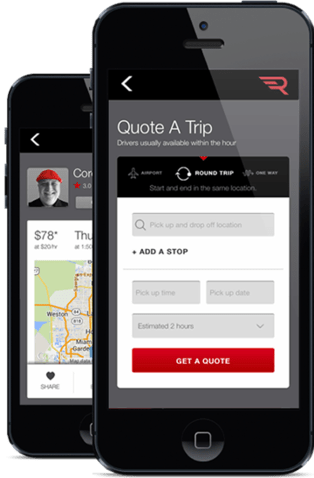
This is a similar service to StearClear but costs about $35/hour + $2.40/mile. It?s made for corporate executives but can be used as an alternative to get?you or your drunk friend?s car?home safely, too.
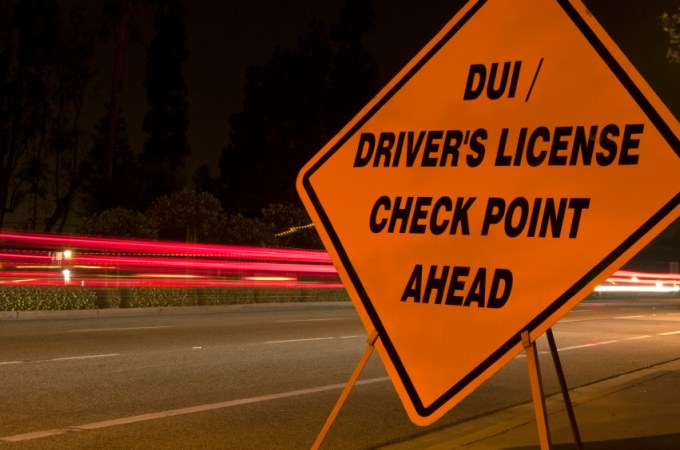
If you do happen to get behind the wheel after drinking and you happen to live in L.A. there?s an app that will alert you to DUI checkpoints. Mr. Checkpoint says it helps prevent drunk driving and wrongful arrests. The founder tells us , ?I personally have been wrongfully arrested for DUI and sued the city.??To?be clear, this app?alerts you to the checkpoint. Drunks can use it to avoid getting arrested,?spending the night in jail (or longer) and handing over thousands in fines. How it prevents drunk driving is a mystery.
One day we will have self-driving cars and possibly built-in?alcohol detection systems in all our technology. For now we have apps and devices that require you to take responsibility for your actions on your own, before things get out of hand. But people keep on being people and not heeding the warning signs or taking measures to prevent themselves from acting like idiots. Consider this post a PSA and stay safe out there.
Dec 31, 2014 | Computer Repair, Computer technology, General, internet, networking, News
All of us Geeks in the tech community HATE Internet Explorer with a passion. Hell, I’ll download Safari on my PC before I’ll use it. I’ll switch back to dial-up and use a Net-Zero browser before you see IE on a computer that I own. Apparently Microsoft has made it’s own New Year’s Resolution, to rid the world of IE! In comes Spartan,? an entirely new, light-weight browser that should be able to compete better with Google Chrome and Mozilla Firefox. Sticking with their obsession with the Xbox phenomenon “Halo” to theme all of it’s new products (“Cortana” is their version of “Siri”), more than likely to appeal to the younger audience.
Spartan will make it’s grand entrance in 2015 coupled with Microsoft Windows 10, and although they aren’t “replacing” IE, lets be honest, Internet Explorer 11, should be the last iteration of that browser. Internet Explorer has been losing market share among computer browsers for years (it?s at about 58 percent today, according to NetMarketshare.com, compared to more than 90 percent 10 years ago), and browsers from Apple and Google dominate the mobile market.
Spartan should support extensions, and will more than likely be using an updated version of the Trident rendering engine, which means it should be able to go blow for blow with Chrome and Firefox. On January 21st, Microsoft plans to show some of the new features of Windows 10 and in all likelihood, we should get a peak at Spartan. Unless the software isn’t ready yet, in which case they don’t need Spartan’s first appearance to be riddled with a bug, or a crash, which would be fatal to the project.
Windows 10 is designed to run on many different devices, including desktops, laptops, tablets, and phones. Microsoft?s goal is for the user to be able to have a familiar experience no matter what type of devices they?re using, and to that end, if ?Spartan? is indeed under development, we?re likely to see both desktop and mobile versions in the end. Internet Explorer 11 is already available for Windows computers, tablets, and phones, so the two browsers will probably coexist for the foreseeable future.
Internet Explorer made its debut in 1995 as part of the Windows 95 operating system. Microsoft hasn?t built an entirely new browser since then ? all its focus in that area has been on keeping Internet Explorer up to date ? so a made-from-scratch ?Spartan? would be a big deal for the company and for customers.
And maybe Microsoft wont have to deal with these memes anymore..

