
Apr 13, 2016 | News
Starting at 6am this morning, about 39,000 Verizon employees from Massachusetts to Virginia went on strike. The strike is over new contract issues that are over eight months old.
The workers are members of unions Communication Workers of America and International Brotherhood of Electrical Workers. They’re Verizon electricians, installers, costumer service representatives, repairmen, drivers, and other employees. They represent nine states and the District of Columbia. Most of them put down landline services and FIOS Internet services. Keith Pruce is a union president, who is right on the picket line. Like most strike workers, Pruce says this has to be done to maintain jobs and a standard of living, and they’ll be on those lines as long as it takes. Another striker says without a fair contract, Verizon will be able to move jobs overseas. Strikers accuse Verizon of everything from cutting health care to freezing pensions to making layoffs easier. Verizon wants to stop people from working at home at length. Some strikers complain this will allow jobs to be outsourced. One father of 3 fears, “I feel if the company had the opportunity, they would just lay people off.” Verizon said they prepared for this strike by training by hiring non-union workers to fill in. But how long will that last?
I can understand why some workers are so concerned. So far in 2016, companies from Yahoo to Sears have laid off many. Remember the outrage in Indiana when air conditioner company Carrier layoff workers? Look at how many tech companies have either sent jobs overseas or have offshore accounts. I hope this strike doesn’t last long because if it does, service could get severely crippled; I don’t care how many replacements they have. The strikers had better hope this doesn’t last long. Remember the 1981 air traffic controller strike? Remember what the end result was to all those workers?
Apr 12, 2016 | internet
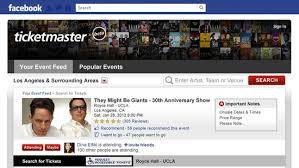
Yesterday, I talked about this new app Mark Zuckerberg was building for Facebook. Now, within a 24-hour period, Facebook has made deals with two major ticket brokers.
Both Ticketmaster and Evenbrite will be selling concerts through Facebook in the coming weeks. Ticketmaster will start selling tickets through Facebook later this month. Plus, Facebook will get a fee whenever their tickets are sold through them. An Evenbrite spokesperson said they will offer Facebook no such fee; we don’t even know how Evenbrite will compensate Facebook. A Facebook representative said his company wants to reach platforms in all walks of life, saying, “We want to help not just people find events, but also get to events faster.? Ticketmaster and Evenbrite have something to gain too. Facebook has 1.6 billion users. Just think, it used to be just a billion. ?But now, that’s over 20% of the whole world’s population. The reasons of this business deal should be obvious. But one reason may not be. It’s getting pretty difficult for these ticket brokers selling on their own websites. This is thanks to mobile apps and other websites offering easier ways to get the same tickets at equal or lesser price. An Evenbrite VP expressed excitement and optimism about the deal by saying, “?Enabling a seamless purchase experience for consumers in places like Facebook where they are spending significant time is an important step in this mission.”
These are smart moves on the part of Ticketmaster and Evenbrite leaders. I can go on ESPN and get a sports ticket through them. Okay, Stubhub provides the tickets, but surely you know what I’m getting at. Believe it or not, there are ticket counters around my city where you can get the tickets, and even pay cash. Hard to believe in 2016, huh? But more and more people are using the Internet and their smartphones to get tickets. And if customers can’t find them on their regular website, then maybe Facebook and other social media is the way to go. Would you buy an Evenbrite or Ticketmaster ticket off Facebook?
Apr 11, 2016 | internet, Uncategorized
Facebook is in a dilemma. People aren’t sharing enough to their liking. During a live demonstration, Facebook CEO Mark Zuckerberg demonstrated changes to their live streaming app.
There’s the revamped interface for Facebook posting. In the demonstration a ‘What’s in your mind’ box. This box is always open for posts. When the post is finished, you’re given the option of writing a note, putting up a photo, or making a video. This design isn’t available to the public…not yet. Facebook headquarters have been working on it for the last couple of months. It’s meant to be a more fun way to share. This new app includes posting options, like sharing music and slideshows. This app would have a GIF button. I read an article that said, “Facebook doesn’t think we’re sharing enough.” I thought to myself, “No, people share on Facebook all the time.” Then I read some numbers. Facebook overall sharing has fallen over five percent in a one-year period. Sharing of thoughts and pictures declined over 20% between the summer of 2014 and summer 2015. Zuckerberg warned not all features will be made public. He says much of this will take time.
That shouldn’t alarm anyone. That’s how typical Facebook does things. They keep testing and re-testing to a smaller audience. They wait to see how accurate and effective it is. If it’s good enough, they’ll advertise it to ?larger market. So it could take months before we see this feature. What surprised me was Facebook was losing that much sharing. But it shouldn’t. Facebook is facing a lot of competition now. We can share with Twitter, Snapchat, Instagram, Periscope, and other options. Facebook isn’t the other candy store in town. Competition is forcing them to get better in sharing. This is what free market and capitalism is all about. It’s competition that makes you do better. We don’t know when this new Facebook app will be made public. Do you have any guesses?

Apr 10, 2016 | Security, Software
Yesterday, I talked about Japan’s plan to keep tourist ‘safe’ at the 2020 Olympics. They plan to implement a system in which no tourist can buy or sell unless they are fingerprinted. That means, no tourist will be able to use Japanese cash, just your fingerprint.
I read an interesting article in The Atlantic. Ever hear of Operation Choke Point? We were told it would fight predatory lending, the kind of lending that helped cause the Great Recession of the late 2000s. But big banks weren’t targeted: So-called ‘morally unsavory’ businesses were. This includes gun dealers, adult entertainment, gambling, dating services, online alcohol dealers, even coin dealers. Many gun stores and adult website owners complained of being cut off by their credit/debit card companies, to the point their websites couldn’t even process them. It gets worse. An adult film actress named Eden Alexander said she couldn’t even get the prescription drugs she needed because the medical providers just assumed because she’s a porn star, she’s going to abuse the prescriptions. When fellow porn stars raised funds to help her out, their platforms GiveFoward and WePay?shut that down too, claiming they violated policy. This ordeal almost ruined her health and finances. Don’t even get me started on how they’re following EBT recipients like a hawk.
I noticed how they’re not targeting 1% big banks or bankers, but 99% ordinary people. Let me be clear: We at Geek Choice do not endorse adult entertainment. But Eden Alexander is a human being and an American citizen. She should not have to endure such cruel treatment at the hands of banks and credit card companies just because she’s involved in a ‘morally unsavory’ business. This is when technology becomes too far reaching. I love technology. But when it tramples on peoples rights to life and liberty, that’s when things get dangerous. I don’t see them getting any less reaching. Can a cashless society lead to big brother?
Apr 9, 2016 | News, Security
These are crazy time we’re living in. I read an article of how the EU wants visa requirements for Americans and Canadians just to visit Europe, even it’s just for a weekend. Japan wants to go even further, using today’s technology for identification purposes.
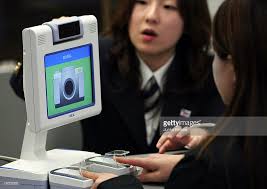
This year, Japan, the nation that gave us the robot greeter, ?will test fingerprint systems for identification and security purposes. If this is successfully, the only way tourists will be able to buy or sell is through a fingerprint. This is supposed to fight theft and keep tourist from using credit and debit cards. Japan hopes to have this system in place by the 2020 Olympics. Tourist will have to register their fingerprints, credit/debit cards, and other information as soon as they arrive at the airport. They would be able to make purchases only if they pass identity inspection. That’s when they place two fingers in the device that’s already installed throughout that nation. Japan even wants the fingerprint tests installed in hotels. As of now, you can check in with a passport. But it won’t just measure who is in the country. Your spending habits will be analysed and processed by the Japanese governments, probably by Japanese corporations, too. There is already an outcry against this system. Some are concerned about tourists feeling uneasy about using such a system.
I know I wouldn’t use it. I’m not even that crazy about that RFID chip in your credit card. I wouldn’t even go to the 2020 Olympics if I knew I couldn’t buy or sell without a fingerprint. All it takes is one or two hackers to break into the system and infect it for everybody involved, the tourist as well as the government and businesses. Do they really want to take that risk? No, this has Big Brother written all over it. And they’re going to analyse our spending habits? What are they going to do next? Tell tourist where they can or can’t buy?
