
May 22, 2016 | networking
Let me make it clear: I’m not talking about mystical horses with horns flying in the clouds. When I say tech unicorns, I’m talking about tech companies, not on the stock market, but can still be worth billions. These tech unicorns are moving and flying overseas.
Mainstream news from CNN to Vanity Fair declare tech unicorns are on the endangered species list. The trend started in 2015. The volatile start in 2016 isn’t helping matters either. Only one tech company went public so far in 2016. Maybe that’s why many tech unicorn leaders are taking their businesses to sunnier places, and I’m not talking about Silicon Valley. I’m talking about Europe and China. That’s where unicorns are going. One reason is the field isn’t so crowded in other countries, so the competition isn’t as fierce. Europe offers opportunities for older tech companies. Venture tech capitalists in Europe are eager to bid on tech non-public companies, whether they started in 2015 or 1975. Some of the highest tech unicorn companies are in China: Xiaomi ($46 billion), Didi Chuxing ($25 billion), ?Meituan-Dianping ($18 billion) and?Flipkart ($15 billion). None are in a hurry to go public. But look at how much they’re worth. Look at how tech unicorns in the USA are struggling. If you lead these companies, would you be in a hurry to go public?
This isn’t good for Silicon Valley. This isn’t good for the USA. For many years, we heard horror stories about jobs being shipped overseas. It is never a happy ending, especially not for the American worker. When American unicorn tech leaders send their companies overseas, they’re sending US jobs overseas. That also means European and Chinese companies are prospering while US tech companies are struggling. That’s why this trend disturbs me. What can we do to bring and keep unicorn tech companies here at home?
May 21, 2016 | Computer technology, Smartphone, Software
Just when you thought Google came up with everything. Just when we think Google has permeated every market. They shock us again.
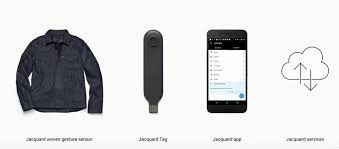
Google is teaming up with jean and denim maker Levi’s to create a smart jacket. Aimed at cyclists, this smart jacket will let you control music, utilize phone calls, navigate with a system, and many of the other things you can do with a smartphone or smartwatch. All they have to do is tap or swipe the jacket sleeve. This super jacket is part of Project Jacquard. This project is dedicated to weaving technology in forms of clothes. The alliance between Levi and Google is around a year old, but they just revealed this revolutionary piece of technology for the first time. They’re aiming this fashion statement toward cyclists because it can be very dangerous to to be holding a smartphone while operating a bicycle. The results can be almost as bad as texting and driving a car. But with this jacket, they just tap and talk. A Jacquard tag is sewn in the sleeve and charged through USB. The embedded tags are connected to a battery, LED and haptic technology, all woven in this jacket. Makers insists you can wash this jacket in the washer and it won’t be harmed.
Testing will go into the next phase in fall 2016. If all goes well, it should be in stores near you in spring 2017. We don’t know how much this jacket will cost. Yes, this is a great safety alternative for cyclists. It would make a great fashion statement. But this wearable jacket is fascinating and a little terrifying. It’s terrifying because someone can probably track you through this jacket. I know we can easily be tracked already, but this would make it even easier. Would you get this smart jacket? How much would you pay for one?

May 20, 2016 | internet, networking
Do you have friends and family literally on the other side of the world? Would you like to know where they are and what they’re doing, or should I say streaming?
Now you can, thanks to yet another Facebook new feature, Facebook live video map. It’s available only through their desktop site. It’s purpose is to show you where people are streaming worldwide through Facebook Live. Streams are indicated by blue dots on a global map. The bigger the blue dot, the more streaming there is going on in that area. Over a dot, a corresponding stream shows you where people are streaming through. Let’s say you’re watching a big blue dot over the Rio de Janeiro, while the Olympics are on. You’ll likely see lines and arrows pointing at places around the world. Think of how many internationals will be streaming through Facebook during the Olympics. But according to those who have tested it out, these streamers aren’t winning medal, trophies or sports awards. Most streamers are doing regular stuff, like playing music, eating at the new restaurant in town, working on the job, etc. It gives you a choice of streams. Suppose you hit a blue dot and get two options, one from ‘regular people’ and one from a major outlet. Which would you like to see: Celebs playing poker or your cousin in Germany and his dog performing cool pet tricks? That’s a tough choice.
One thing Facebook Live’s video map streaming service does, or tries to do, is respect your privacy. The videos that can be followed are videos the streamer make public. Private videos will be kept private. Locations will be kept vague enough to respect and protect your privacy. For example, your city may be known, but your personal address, email, social media information will not be. Because when you’re streaming around the world, who wants a bunch of crazies and stalkers to deal with?
May 19, 2016 | Computer technology, Wireless
Can you believe the Google Android Wear smartwatch is two years old (man, technology is changing too fast). But Google/Android has little to celebrate in the watch department. Apple’s iWatch has been kicking them around since the very beginning.
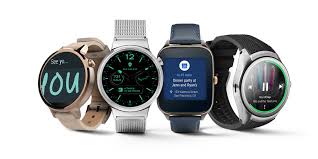
Out of necessity, Google has upped their game. They will introduce Android Wear 2.0. This one promises to be better. For example, Android Wear 2.0 says they will have standalone apps that won’t require a matching smartphone. One such app is Spotify. That’s right: if all goes right, you can download and enjoy your favorite tunes from your watch and watch only. Of course, you’ll still need some kind of Internet connection. They’ve made interface operations, like easier notifications and an easier QWERTY keyboard. With the new Android watch, you can type replies to messages, instead of just replying through voice. You can also obtain information from third-party apps, though it’s a limited amounts. For health advocates and active persons, they can keep track of steps taken or calories consumed throughout the day. Of course, competitor Samsung Gear 2 also has a slick keyboard where you can type responses. The iWatch, the current smartwatch race leader, has emoji responses.
I bring up Android Wear 2.0 competitors for a reason. They’ve got a long ways to go. Yes, these are great improvements for Google’s smartwatch. But the fact that these basics are actually called an improvement is telling right there. I guess the one thing they can do to compete is keep the prices low and competitive. But one smart thing the new Google smartwatch has is better access to apps like Spotify. Everyone likes music. The easier it is to get access to music, the better it will be for the customer. So easier access to this app is a great start. But that’s all it is: a start. How much would you pay for Android Wear 2.0?

May 18, 2016 | Malware, Security
Summer is literally just a few weeks away. Many of us are toiling, sweating and sacrificing to get that beach body or get into that dream swimsuit. Your fellow beach companions aren’t the only ones watching. Hackers and cyber criminals are, too.
According to Intel security, 88% of people have clicked on pro-diet or pro-weight loss diet pop-up ads, even though many know what pop-up ads can lead to. ?Of the 15,000 people, nearly a third have purchased a diet product from a pop-up without even researching the business or product. They knew the purchase could even cause malware. And clicking these ads can cause vicious malware. And purchasing from such ads could lead to far worse consequences: id theft, fraud, online robbery. The same way professional con artists on the street are upping the ante, so are cyber con artists. Criminals know what season it is. They know dieting is almost a $65 billion a year industry. They know everyone wants to look good for summer. They know what season it is too. In much of the country, May is when people get summer minded. Weather gets warmer. Bathing suits are on store shelves. Criminals take advantage of this.
I am not here to play ‘blame the victim’. Those who are behind this needs to be caught and brought to justice. Those who are using this to phish and steal need harsh criminal and civil penalties brought against them. But we need to be more vigilant. If a weight loss pop-up ad comes your way, don’t purchase what they’re selling. Don’t even click on it! Hit the ‘x’ off button immediately. If you’re into weight loss products, they’re plenty of respectable companies either online or in person that have products that truly work. Or you can just do what I do: Be satisfied in the skin you’re in. That concept isn’t that radical, is it?
