
Apr 2, 2017 | Uncategorized
Cookies aren’t the biggest threat to your computer or device. But they can be annoying. Not only that, they can compromise your privacy. So, do you want to say goodbye cookies? Well, your friendly Boston computer service shop is here to do that (they sent me to write this article). Goodbye cookies: Delete cookies from web browsers.
But first, I should explain what cookies are. They’re small data files that track online activity. Sounds evasive, doesn’t it? Then that’s why you want to get rid of them. Google Chrome is the most popular web browser out there today. So here’s how you do it there. Click on ‘Menu’ in the upper right hand corner. Then, click ‘Settings’. After that, click ‘Show advanced settings’, then ‘content settings’. It will shock you what this will reveal. From there, click on, ‘all cookies and site data…”. Then, you can either delete certain files one at or time. You can also delete them all by clicking, ‘remove all’.
Firefox is also a popular web browser. You can say goodbye cookies with them as well. Start with the ‘tools’ menu. From there, select ‘options’, then ‘privacy’, then ‘history’, then click, ‘use custom setting for history’. This will show you your browsing history. If you want to delete cookies, click on ‘show cookies’. It will show you a list of cookies you built up over time. Like with Chrome, you can either delete one at a time, or delete all of them with one swoop.
Most of us in the computer repair business know how important your privacy is. We also know how fleeting it is, and how many threats there are to it. So deleting cookies is just one way to do that. Other web browsers have other methods to say goodbye cookies. Feel free to use them. Isn’t saying goodbye cookies just one battle in fighting the war against privacy invasion?

Apr 1, 2017 | General
Several days ago, I reported congress passing a law that would kill Internet privacy. Many don’t like this. But some others take action, or threaten to. Then there’s Max Temkin. He’s the founder of party game, ‘Cards Against Humanity’. He threatened to reveal all of Washington’s dirty little secrets. So could someone expose Congress Web history?
But he doesn’t want to stop there. Temkin also talked about buying the browser history of every Congressman. Then, he publishes it. He put this up on social media this week. Hence, as you can imagine, the response was quick and plenty. Furthermore, he urged people to the Electronic Frontier Foundation. They fight for online privacy rights.
This comes in the wake of Congress voting to repeal laws protecting online privacy. After the vote, Temkin took to Twitter. One can feel his frustration. Yes, this move upset a lot of people. But few talk about buying Congresses’ records. ?Someone started a Go Fund Me page. But I doubt Temkin is behind this page. However, this Go Fund Me page is raising cash to buy Congress web history. So far, they raised $160,000. The original goal was $10,000. Yes, there are a lot of upset folks out there.
But Temkin cautions people about Go Fund Me pages raising money to buy records. However, if someone can obtain these records, he won’t hesitate to publish them. That’s the last thing Congress wants, especially in this volatile political climate. Trust me. The last thing anybody wants to do is upset a IT support leader or computer repair worker. Don’t tick off anybody that high up in tech as Temkin is. If the cause fits the situation, they will expose you, especially if you’re doing wrong. And this bill is wrong. I don’t know is selling and publishing records is the right way to go about it. But I’m certainly don’t condemn it. So let’s suppose they do get and release Congress web history. Would that be wrong? Or would they get a taste of their own medicine?

Mar 31, 2017 | Computer technology
Tech billionaire Elon Musk does it all in the IT support world. He founded PayPal. Then he founded SpaceX and Tesla; he’s still the CEO of both. But his next venture boggles my mind, and it might consume my mind, literally. Elon Musk wants your brain and soul.
So, earlier this week, Musk announced his support for Neuralink. That’s a company that puts tech devices in peoples’ brain. At least they want to, because the company is still in it’s early stage. They also want to be players in the AI (artificial intelligence) game. Hence, Neuralink thinks these devices will help us keep up with AI technology. That is, if they can get them in our brain.
Elon Musk seems passionate about merging AI and human intelligence. Recently, he lectured a crowd in Dubai, UAE. He told them a merge between human and AI intelligence will come over time. Furthermore, he continues the conversation on Twitter. They talk about neural lace. That’s a brain-computer thing they can ‘allegedly’ use to improve the human brain. As of March 31, 2017, we only see this in TV, movies, or read about it in novels. At best, they have electric implants. They help with brain disorders like Parkinson’s or Alzheimer’s. But even that’s rare, because of the high cost, and the dangerous risks.
So why is Elon Musk doing this? Furthermore, why is Neuralink investing so much time and money in this? Yes, we can say, “This will help with brain diseases. Maybe this kind of technology will even lead us to a cure.” But that’s best case scenario. What’s the worst? Musk and Nuralink have their way, the worst could happen. Our minds would no longer be our own. Also, our souls will no longer be our own. Therefore, the computer will control our every move 24/7. In fact, we’re so dependent on technology now that it’s getting like that already. So we don’t need chips in our brains to control our every move. You don’t think it can happen? Twenty years ago, did you see Facebook and You Tube other social media happening?
Mar 30, 2017 | Smartphone
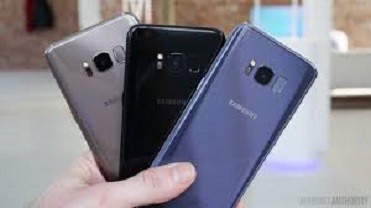
It’s the final countdown. As for Samsung, this might be. Because Samsung Galaxy 8 begins pre-orders today. They also release their phone on April 21. This had better be good, after what Samsung went through. It’s the Samsung Galaxy 8 countdown: Failure no option.
So it looks good. The S8 has a 5.8 inch OLED screen. Furthermore, the S8 Plus has a 6.2 inch OLED screen. The screen is also curvier and covers almost the whole phone. Galaxy 8 US phones have the?Qualcomm Snapdragon 835 Octa processor. Then there’s the S8 camera. In the front, it has an 8.1 megapixel auto focus. And in the rear of the camera, it has a 12-megapixel OIS.
But wait. There’s more to the Samsung Galaxy 8 countdown. Meet Samsung’s Galaxy 8’s virtual assistant, Bixby. Bixby helps you use your phone directly. So it looks like Siri will have some competition. Also, like Alexa, Bixby can turn off your TV and lights. Then there is Bixby Home. Bixby Home can give you the news, literally. Samsung Galaxy 8 US phones will come in black, grey and silver. Other features include Samsung Pay, wireless charging, and IP68 water and dust resistance. It also has Bluetooth 5.0. That means you can stream two devices. I don’t know what the exact cost is, but brace yourself. They expect it to run for at least $720.
However, let’s get the elephant out of the room. That’s the battery. That’s what caused last year’s fiasco. You remember. That’s when Samsung Galaxy 7 burned and exploded, causing injury to customers and embarrassment and lawsuits to Samsung. And there’s no screen replacement, no computer repair, no anything that can help matters with that. ?The S8 has the 3,000 mAH. The S8 Plus has a little more. That’s the same thing the S7 had. But Samsung assures us they tested the battery chemistry. They say not only is it safe, but the battery lasts longer. Forget long lasting battery. Is it safe? That’s Samsung’s dilemma right now. Will the Samsung Galaxy 8 countdown be the comeback they need? Or will it sink their sales and reputation even further?

Mar 29, 2017 | internet, Security
Should I buy a tombstone saying: Internet privacy: 1994-2016 RIP? Should I buy it now or later? I ask this because Congress voted to repeal consumer privacy rights on the Internet. So, Internet privacy dies: Congress killed it.
The US House vote was 215-205 to. This vote helps overturn former President Obama’s FCC rules. Those rules say ISP’s (Internet service providers) require consumer’s permission before they use certain information. This includes finances, health, and info about their kids. But that protection is in danger now. But wait. It gets worse. Last week, the Senate voted 50-48 against you and me and in favor of Comcast, Verizon, and the big boys. And this is how Internet privacy dies.
The White House said ISP’s still need ‘opt-in’ permission. That’s when ISP’s give you the option of sharing your information. But here’s the problem with that. Websites don’t need to ‘opt-in’ with anybody. That’s because websites are less restricted, thanks to the FTC (Federal Trade Commission). FCC Chariman?Ajit Pai praised the decision. But he assured we would stay have protection for our privacy. Then you have privacy rights groups like the ACLU (American Civil Liberties Union). One leader said ISP’s shouldn’t buy or sell our information without consumers’ approval. Of course, Comcast and other major ISP companies aren’t talking.
I like what?Michael Capuano said. He’s a Democrat Congressman from Massachusetts. You know, home to our Boston computer service shop. Online, he bought underwear. Why should the government, or anyone else, have to know about the underwear he bought? Some may say, “But what about the terrorists?” What about the cyber criminals?” I get their concern. But what about the welfare and privacy of the 99 1/2 percent who aren’t doing these things? What about our children? Why should you know where our kids go to school, or what activities they do after school? How come the government wants to know where I bought what and from who? How come ISP’s and other corporations want to know what I look at online?
