
May 22, 2016 | networking
Let me make it clear: I’m not talking about mystical horses with horns flying in the clouds. When I say tech unicorns, I’m talking about tech companies, not on the stock market, but can still be worth billions. These tech unicorns are moving and flying overseas.
Mainstream news from CNN to Vanity Fair declare tech unicorns are on the endangered species list. The trend started in 2015. The volatile start in 2016 isn’t helping matters either. Only one tech company went public so far in 2016. Maybe that’s why many tech unicorn leaders are taking their businesses to sunnier places, and I’m not talking about Silicon Valley. I’m talking about Europe and China. That’s where unicorns are going. One reason is the field isn’t so crowded in other countries, so the competition isn’t as fierce. Europe offers opportunities for older tech companies. Venture tech capitalists in Europe are eager to bid on tech non-public companies, whether they started in 2015 or 1975. Some of the highest tech unicorn companies are in China: Xiaomi ($46 billion), Didi Chuxing ($25 billion), ?Meituan-Dianping ($18 billion) and?Flipkart ($15 billion). None are in a hurry to go public. But look at how much they’re worth. Look at how tech unicorns in the USA are struggling. If you lead these companies, would you be in a hurry to go public?
This isn’t good for Silicon Valley. This isn’t good for the USA. For many years, we heard horror stories about jobs being shipped overseas. It is never a happy ending, especially not for the American worker. When American unicorn tech leaders send their companies overseas, they’re sending US jobs overseas. That also means European and Chinese companies are prospering while US tech companies are struggling. That’s why this trend disturbs me. What can we do to bring and keep unicorn tech companies here at home?
May 21, 2016 | Computer technology, Smartphone, Software
Just when you thought Google came up with everything. Just when we think Google has permeated every market. They shock us again.
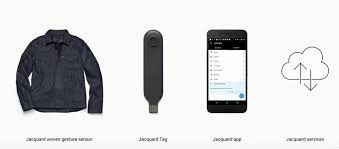
Google is teaming up with jean and denim maker Levi’s to create a smart jacket. Aimed at cyclists, this smart jacket will let you control music, utilize phone calls, navigate with a system, and many of the other things you can do with a smartphone or smartwatch. All they have to do is tap or swipe the jacket sleeve. This super jacket is part of Project Jacquard. This project is dedicated to weaving technology in forms of clothes. The alliance between Levi and Google is around a year old, but they just revealed this revolutionary piece of technology for the first time. They’re aiming this fashion statement toward cyclists because it can be very dangerous to to be holding a smartphone while operating a bicycle. The results can be almost as bad as texting and driving a car. But with this jacket, they just tap and talk. A Jacquard tag is sewn in the sleeve and charged through USB. The embedded tags are connected to a battery, LED and haptic technology, all woven in this jacket. Makers insists you can wash this jacket in the washer and it won’t be harmed.
Testing will go into the next phase in fall 2016. If all goes well, it should be in stores near you in spring 2017. We don’t know how much this jacket will cost. Yes, this is a great safety alternative for cyclists. It would make a great fashion statement. But this wearable jacket is fascinating and a little terrifying. It’s terrifying because someone can probably track you through this jacket. I know we can easily be tracked already, but this would make it even easier. Would you get this smart jacket? How much would you pay for one?

May 20, 2016 | internet, networking
Do you have friends and family literally on the other side of the world? Would you like to know where they are and what they’re doing, or should I say streaming?
Now you can, thanks to yet another Facebook new feature, Facebook live video map. It’s available only through their desktop site. It’s purpose is to show you where people are streaming worldwide through Facebook Live. Streams are indicated by blue dots on a global map. The bigger the blue dot, the more streaming there is going on in that area. Over a dot, a corresponding stream shows you where people are streaming through. Let’s say you’re watching a big blue dot over the Rio de Janeiro, while the Olympics are on. You’ll likely see lines and arrows pointing at places around the world. Think of how many internationals will be streaming through Facebook during the Olympics. But according to those who have tested it out, these streamers aren’t winning medal, trophies or sports awards. Most streamers are doing regular stuff, like playing music, eating at the new restaurant in town, working on the job, etc. It gives you a choice of streams. Suppose you hit a blue dot and get two options, one from ‘regular people’ and one from a major outlet. Which would you like to see: Celebs playing poker or your cousin in Germany and his dog performing cool pet tricks? That’s a tough choice.
One thing Facebook Live’s video map streaming service does, or tries to do, is respect your privacy. The videos that can be followed are videos the streamer make public. Private videos will be kept private. Locations will be kept vague enough to respect and protect your privacy. For example, your city may be known, but your personal address, email, social media information will not be. Because when you’re streaming around the world, who wants a bunch of crazies and stalkers to deal with?
May 19, 2016 | Computer technology, Wireless
Can you believe the Google Android Wear smartwatch is two years old (man, technology is changing too fast). But Google/Android has little to celebrate in the watch department. Apple’s iWatch has been kicking them around since the very beginning.
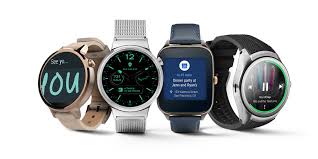
Out of necessity, Google has upped their game. They will introduce Android Wear 2.0. This one promises to be better. For example, Android Wear 2.0 says they will have standalone apps that won’t require a matching smartphone. One such app is Spotify. That’s right: if all goes right, you can download and enjoy your favorite tunes from your watch and watch only. Of course, you’ll still need some kind of Internet connection. They’ve made interface operations, like easier notifications and an easier QWERTY keyboard. With the new Android watch, you can type replies to messages, instead of just replying through voice. You can also obtain information from third-party apps, though it’s a limited amounts. For health advocates and active persons, they can keep track of steps taken or calories consumed throughout the day. Of course, competitor Samsung Gear 2 also has a slick keyboard where you can type responses. The iWatch, the current smartwatch race leader, has emoji responses.
I bring up Android Wear 2.0 competitors for a reason. They’ve got a long ways to go. Yes, these are great improvements for Google’s smartwatch. But the fact that these basics are actually called an improvement is telling right there. I guess the one thing they can do to compete is keep the prices low and competitive. But one smart thing the new Google smartwatch has is better access to apps like Spotify. Everyone likes music. The easier it is to get access to music, the better it will be for the customer. So easier access to this app is a great start. But that’s all it is: a start. How much would you pay for Android Wear 2.0?

May 18, 2016 | Malware, Security
Summer is literally just a few weeks away. Many of us are toiling, sweating and sacrificing to get that beach body or get into that dream swimsuit. Your fellow beach companions aren’t the only ones watching. Hackers and cyber criminals are, too.
According to Intel security, 88% of people have clicked on pro-diet or pro-weight loss diet pop-up ads, even though many know what pop-up ads can lead to. ?Of the 15,000 people, nearly a third have purchased a diet product from a pop-up without even researching the business or product. They knew the purchase could even cause malware. And clicking these ads can cause vicious malware. And purchasing from such ads could lead to far worse consequences: id theft, fraud, online robbery. The same way professional con artists on the street are upping the ante, so are cyber con artists. Criminals know what season it is. They know dieting is almost a $65 billion a year industry. They know everyone wants to look good for summer. They know what season it is too. In much of the country, May is when people get summer minded. Weather gets warmer. Bathing suits are on store shelves. Criminals take advantage of this.
I am not here to play ‘blame the victim’. Those who are behind this needs to be caught and brought to justice. Those who are using this to phish and steal need harsh criminal and civil penalties brought against them. But we need to be more vigilant. If a weight loss pop-up ad comes your way, don’t purchase what they’re selling. Don’t even click on it! Hit the ‘x’ off button immediately. If you’re into weight loss products, they’re plenty of respectable companies either online or in person that have products that truly work. Or you can just do what I do: Be satisfied in the skin you’re in. That concept isn’t that radical, is it?

May 17, 2016 | General, Testimonial
May is the month when many celebrities and public figures speak at college graduations throughout the US. This year, one tech leader’s speech should teach us all a thing or two.
Facebook COO Sheryl Sandberg gave the commencement address to the University of California-Berkeley’s class of 2016. Sandberg got their attention immediately when she started with this statement: “I’m not gonna tell you what I learned in life. Today, I’m gonna try to tell you what I learned in death.” Here, she referred to the sudden death of her husband, David Goldberg, back in May 2015. She used her time of mourning to encourage the new graduates to persevere in the face of hardship, challenges, and especially tragedy. She shared the hard lessons she learned on overcoming difficult times. Sandberg reflected on the gratitude she found for family and friends. She reflected on the little things, like the laughter of her children. She urged the graduates to be grateful on any day and in any situation, good days and bad. She told them to never take life for granted, or take their loved ones for granted. Sandberg recalls asking herself the question, “What would she do if she had 11 days left to live?” She reminded the crowd that every day is precious and urged them to be there for their loved ones, not just through technology.
From what I’ve read, Sheryl Sandberg’s commencement address is one of the best graduation speeches ever. So many others give you advice about jobs, careers, and such things. Sandberg’s gives you advice about two things we will all face: living and dying. As techies, it’s easy for us to post a message or texts to our loved ones and think we’re doing something. I’d like to challenge us to write a hand written letter, make a phone call, or even pay a visit. In this fast pace world of technology, let’s slow down and appreciate the little things. When I look at the world situation, I don’t see it getting any better. Sandberg is right; we need to appreciate every day we get. What did you think of this commencement speech?
May 16, 2016 | Computer technology, Smartphone
Today, America’s biggest retailer releases Walmart Pay. It’s Walmart’s own mobile pay service, kind of like Apple Pay. Walmart Pay is being tested in 600 stores throughout Texas and in it’s home state of Arkansas.
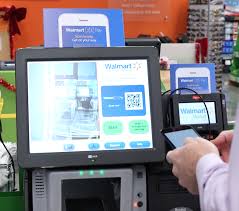
It should be made clear: Walmart Pay is not a part of Apple Pay, Samsung Pay, or any other mobile pay entity. Walmart Pay is it’s own entity and it’s competing with other mobile pay companies. In the next few weeks, Walmart Pay will spread in the Midwest and Plain States. Walmart Pay is available on Apple and Android devices and works with all major bank cards and Walmart gift cards. When you buy at any Walmart in this part of the country, open the Walmart app and hit Walmart Pay. Scan the QR code on the register screen, using the phone camera to connect to Walmart Pay. The app will give you an electronic receipt. Walmart Senior VP Daniel Eckert embraces Walmart Pay not only as another payment system, but as a way of improving the checkout experience altogether. This is just Walmart’s latest attempt to get in the good graces of the technology community. They’ve got a subdivision in the Silicon Valley. They’re also working on drones to deliver their groceries to customers.
But one thing about this boggles my mind. Walmart leaders insists this isn’t to compete with Apple, Samsung, or Google Pay. But yet none of them are accepted at any Walmart. This includes those 45 or so states that won’t see Walmart Pay anytime soon. I smell at best, a strategy and at worst, a lie. If they’re not trying to compete, then why are they setting up shop in Silicon Valley, the tech capital of America? Why are they trying to do like Amazon and set up drone services? Does Walmart think we’re stupid? Of course they’re competing. But how will this retailer do against the big boys of technology? Are they in the same league? Or have they bitten off more than they can chew?
May 15, 2016 | Uncategorized
Not so long ago, I wrote about a controversy surrounding Facebook. A former Facebook employee revealed that in their Trending List, they often suppressed and censored right-wing conservative based articles. This controversy isn’t going away anytime soon.
Even Senators like John Thune (R-S.D.) are asking questions. A correspondent on Yahoo News put up an interesting display of Facebook Trending. These are supposed to be the top trending news articles of that particular day. Some topics have valiant and credible news, like Wal-Mart suing Visa over RFID chipped credit cards. It has credible pop culture stories, like Budweiser changing beer label to ‘America’ until the November presidential elections. But the majority of the articles are pure fluff. For instance, one story that made the top trending list is Steve Lombardi, a WWE wrestled who performed under the name Brooklyn Brawler since the 1980s, was released. Even most WWE fans probably don’t know who the Brooklyn Brawler is. This concerns me because 61% of Millennials, born between 1981-1999, get their news from Facebook. That’s according to a 2015 Pew Charitable study. What’s even more disturbing is according to PolitiFact, the majority of stories are on some level made up. Not so long ago, Breitbart got in trouble for posting not-so-true stories. But now that they’ve become Trump supporters, they rarely make it in the trending section.
I am not here to endorse any presidential candidate. But I think Facebook should be a little more discerning about what goes in the trending box. But we can’t blame all of this on Facebook. We as consumers have to share some of the blame. When we care more about the Kardashians than we do about the Middle East, what do you think is going to trend? When we care more about Kelly Ripa and Michael Strayhan’s TV split more than we do about injustice in our community, what do you think will trend? When we care more about Beyonce’s Lemonade sales than we do about corruption in high places, what will trend? So what’s worse than trending? Is it the people who are driving the popularity of these stories?

May 14, 2016 | Security
Over the last several years, there has been a lot of concerns online: hacking, ID theft, sextortion, government surveillance. These privacy and security issues deter online users, and it affects consumers and businesses alike.
Almost half of online consumers have been deterred from the Internet in some way, according to a study by the Department of Commerce. In fact, 30% of the 41,000 household studied say such concerns deter them from at least two Internet activities. These activities are: Banking/financial transactions, buying online, posting on social media, addressing controversial issues. Nearly half of those polled were afraid to bank online. One in every four were afraid to shop online or post on social media. One fifth of those surveyed were afraid of expressing controversial opinions. When asked what was their biggest fear, 63% of them said ID theft. Other fears include bank fraud (45%), corporate data collection (23%), personal data hijacking (22%), government data collection (18%), and personal safety issues (13%). The study suggest the more devices an individual or a household had, the more likely they would be to suffer at least one of these woes. This concerns security analysts because in order for online businesses to survive, much less thrive, there has to be some sort of trust between vendor and consumer. And it doesn’t look like there’s too much trust going on.
But on the bright side, this means the majority of consumers, though it’s a slight majority, don’t let such threats deter their online habits. But we need to do better. There are things you can do to protect yourself, like setting up challenging passwords and be careful of who you let in your social media circles. But there’s also more our government and corporations can do to protect their people. As we hear more stories of fraud, my fear is that these numbers will increase as the years drag on. If that happens, then the only people who will win are the bad guys. Ethical online businesses will go out and consumers will be consumed by fear and cynicism. Do you see why we have got to do better?

May 13, 2016 | networking, Smartphone
The last several months have not been kind to ride sharing app Uber. In Kalamazoo, Michigan, an Uber driver went on a shooting spree, killing several people. In Austin, TX, a economic/political dispute lead to them leaving that city. For the third year in a row, Uber is one of the most hated companies in America. Now, Apple gives them a global blow.
Apple Inc announced it will invest a billion dollars in Chin’s ride sharing service?Didi Chuxing, Uber’s rival in China. Tim Cook makes this move for several reasons: to better understand the Chinese market, to put Apple in the ride sharing conversation, and to boost the company name and profits in China. Didi Chuxing leaders say this was the biggest and most important investment it ever received. Didi Chuxing already dominates China’s ride sharing industry, making up for 87% of the sales. The company arranges 11 million rides a day and is worth over $20 billion. You see, China’s economy has slowed all 2016 long, and Apple wants to help turn the tide. Apple has enjoyed a rather warm relationship with China. Look at how many Chinese workers are building our Apple products. China has the second biggest economy in the world. If you ran a multi-billion dollar mega corporation, wouldn’t you be friendly with China?
There are rumors in the Silicon Valley that Apple wants a piece of the ride sharing industry. That shouldn’t sit well with Uber at all. Apple already has an alliance with the biggest ride sharing company in China. Uber wants to expand in China. The competition there, already stiff, just got even tighter. Now Apple, one of the most popular companies in America, might compete in ride sharing against one of the most hated. Can Apple pull off a ride sharing firm? Will they take what they learn in China and apply it in the US? Should Uber be nervous?
