
Jun 20, 2019 | General
So yesterday, I got a response from a Geek Choice blog follower. She included an article in which she wrote about one of the biggest ills facing this young generation (Gen-Z). That ill is cyberbullying. The article asks: What do we do about cyberbullying?
First, she talks the differences between older people and young people today. Because back in our day, bullying was more in your face: playgrounds, classrooms, buses, playing in the neighborhood. I myself experienced this in my younger days. But today, with smartphones and social media, there is no escape. Because now, a child or teen can experience bullying, harassment, and stalking literally all day every day, all night every night. They don’t have a safe space like older generations once did.
She then goes on to talk about the types of cyberbullying. They include, but don’t limit: intimidation, humiliation, isolation, gossiping, sexual harassment. It also includes harassment based on race, gender, religion, economic status, sexual orientation, etc. According to many statistics, 70% of teens at least witnessed or experienced this kind of cyberbullying. I don’t have to tell you how bad this can affect people. We all see news articles about suicides and/or mass shootings that are the product of bullying. Other effects include mental illnesses like PTSD, lack of sleep, low self-worth, poor performance at school. Being bullied can lead to high risk behaviors later on in life: drug addiction, alcoholism, overeating, sexual promiscuity.
There’s an age old saying: “When you treat people like animals, then they become animals”. So the Golden Rule is true. Treat others like you want them to treat you. This includes social media and the cyber world. This includes adults too, because in many cases, we’re worse than these teen bullies are. I saw footage of a baseball game in Colorado that made me sick.
But there’s a side effect here. Let’s not be too over-sensitive. Because what I’m also seeing is political correctness on steroids. It’s getting to the point where we’re afraid to even interact with each other because, “What if we say, do, or act the wrong way? What if we offend somebody?” This kind of mentality can have just as bad of effect as being bullied can. You see it in today’s politics, media and pop culture. We can’t even agree to disagree today without being perceived as a bully. I posted something on my Facebook page: “Just because I disagree with you don’t mean I hate you. We need to relearn that in our society”. That is so true. So how do we balance these things in the IT support world and real world? What do we do about cyberbullying?

Jun 19, 2019 | Computer technology, Software
So we all remember the Google Glass flop from the early 2010s. They didn’t look good. They were too expensive. Also, there was huge issues about privacy invasion. However, one company is giving this smart glass thing another go. Well smart glasses work this time?
In Canada, about 65 miles west of Toronto, there is a IT service company they call North. Their main product is Focals. They look just like regular eyeglasses. Let’s say you walk down the street and see somebody in glasses. You won’t be able to tell if it’s regular glasses or smart glasses. Also, the only physical difference is the smart glasses will weigh more. But don’t let them fool you. These eyeglasses do everything any smart device can do.
If you do wear them, then you can expect notifications on your right lens all day every day, literally. We’re talking everything from texts, emails, notifications, phone calls, appointments, even sports scores of your favorite teams. It comes with a ring to help you scroll through this information. It even has Alexa software you can talk to. But you can’t just get these anywhere, and it’s a process to get these North glasses. They’re only two of them: one in Brooklyn, one in Toronto. Then, through 3D and AI cameras, they examine your head so your glasses have a perfect fit. Your glasses are custom made and takes 3 weeks to get.
If you choose to go through this process, North’s smart glasses will cost you at least $600. At least they look like human glasses, and not some monstrosity out of a horror movie like Google Glass. But I do see problems. How would you like it is you’re wearing glasses, then distractions come on the right lens every second? Not only could this be an annoyance, but it could lead to all kinds of accidents. Think of how crazy you look when talking to Alexa in these glasses. But it looks like you’re talking to yourself. Then look at the process and expenses you’ll go through even wearing these glasses. Will smart glasses work this time?

Jun 18, 2019 | Uncategorized
So while grocery shopping last week, I saw an AI robot cleaning floors, and serving as…ahem…’security’. Basically, that means it watched everything I do and bought. It was a strange experience, but not a shocking one. Then I read this article on Tech Crunch. So it made me thing. Is AI helpful, annoying, or both?
The article gave a few examples. For instance, AI can now make your appointments, from dinner reservations to beauty salon to business meetings. The author uses the example of Amy.ai to book business meetings. He says this is great because it avoids going to everybody in the office to book meetings. But I must respectfully disagree. Because if you and your colleagues can’t even come together to schedule a meeting, then that alone is telling. You probably won’t come to agree on getting other stuff done either. However, I understand that is not the case. So I say, use AI for this as a very last resort. I also say that for booking any kind of appointment.
This article uses AI’s help with driving. Just let me say, in many cases, AI helps with this. I myself experience this. AI technology really helps you get from point A to point B in an efficient manner. Also, our computer repair techs experience this. So yes, AI is very helpful there. With saying that, it can also be annoying. Because they can also stir you in the wrong direction, or tell you to do something, even though you know the route.
Well, here is the article. Yes, AI can make your life easy. But in some cases, it can make life even more difficult.Let’s not even talk about all the jobs AI is taking. Like when I was at the store and saw AI cleaning up. That used to be a human being cleaning up and earning a paycheck and providing for his or her family. Again, I can use my own personal experience to attest to both. I’m sure you can too. So is AI helpful, annoying, or both?

Jun 17, 2019 | News
So you know I try to keep this blog all about tech. But this one may be or not be. In a way it is. Because if power goes off, then how will you use your tech devices? What’s going on with power outages?
So first, let’s talk about Target. It’s one of America’s largest retailers. . Saturday, at approximately 2pm Eastern Time, an power outage caused most target cash registers to stop working. That meant all shopping came to a complete standstill. This was on a Saturday afternoon, already a busy day. But this was the day before Fathers Day! They did get power back up by 5pm Eastern. However, the next day, many stores only took cash and gift cards. Target leaders say this was not a security breach, but an ‘internal technological issue’. That’s all they’re saying about it.
Then there was the massive power outage in South America. Last night, it left 40 million people in the dark over several nations. Argentina’s president said this power outage is unprecedented. Uruguay residents say they never saw anything like it. It wasn’t just lights out. IT services like social media and smartphones stopped. So did public transit systems. They had to stop food and water supplies. Even medical supplies were hindered. Thankfully, for the most part, they got power back on by the end of the day. However, investigations of a cause will take many days.
I wish I could tell you these were the only power outages in the world over the past weekend. But I can’t. Here in Boston, home of our computer repair headquarters, this happened to our subway systems, or as we call it, The T. My concern is that things like this will keep happening if we don’t hurry and do something. It could be by accident. Or worse, a hacker or foriegn enemy could cause a power outage. And look at the chaos they cause. So I ask again. What’s going on with power outages?

Jun 14, 2019 | Computer technology, News
So by now, we all know about the Hong Kong crisis. We also know communist China wants to further impose their will on free Hong Kong. But this shouldn’t surprise anyone. China is neck deep in things like surveillance technology. Let’s look at China’s facial recognition problem.
Yet a new report exposed China’s government using more facial recognition on minority groups. It came out last week on Tech Crunch. They found a web browser without a password. Then, on that browser, they found hundreds of face images, most of them from ethnic minority groups. The data even uses labels to describe which race the person comes from. Then, human rights groups exposed how police use a smartphone app to spy on the Muslim Jighur population.
And this app captures everything; from car licence plates to where they shop. Not enough surveillance for you? Then more data exposed that two minority communities in Beijing were under constant surveillance watch. This data includes face recognition. And it’s enough to follow them everywhere they go. We also learn that Alibaba, China’s answer to Amazon, is the main host and maker of this tech. But when asked about this, they seem to dance around the issue.
Also, like the US, China is going through a great political and cultural divide. Their IT service issues is only going to add to that. And boy, do they have a lot. As far as this exposure, it can’t come at a more turbulent time. First you have the trade wars with the US, then add the Huawei controversy. If that’s not enough, then add the Hong Kong protests. And now, the exposure of China’s facial recognition problem. And it is a problem. First of all, this kind of intense surveillance is never a good thing. Then, when a nation adds unfair treatment like this, then it’s a recipe for outright disaster. What do you think?
Jun 13, 2019 | Computer technology
So I know what some of you are going to say. Why are you talking about Huawei again? Because it’s what so many in business and IT support talk about. In fact, someone posted a looming question. Is Huawei dead?
So I just say a Yahoo podcast. They interviewed Chinese best selling author and economist Gordon Chang. Already, Huawei had to cancel their laptop debut, thanks to US restrictions and this US vs. China trade war. Huawei also wants Verizon to pay fees on over 200 patents. That’s probably not going to happen anytime soon, if ever. Then you also have Google moving business out of China. But Chang believes this is only the beginning.
Chang reminded us Oracle is closing down their research facilities in China. That alone is going to cost China 1,600 jobs. But what does this have to do with Huawei? Chang said if President Trump doesn’t give more exemptions from his executive order, then Huawei is a dead company. Those are his words, not mine. Because if they don’t resolve this trade issue, then laptop debuts and patents might be the least of their worries. Chang says this will affect their server business. Oh, I almost forgot. Huawei is putting their PC on hold as well.
Also keep in mind, Huawei will have little, if any support, from American tech companies if this keeps on. This mean Huawei won’t get software, chips, anything from Silicon Valley. But wait…there’s more. Chang doesn’t see this trade war stopping any time soon. Neither does anybody else. Then look at the Hong Kong protests this week. We can expect more American businesses to leave China before too long. Plus, most insiders believe this trade war is more than about money. It’s about pride and nationalism. And how much conflict starts over that? Can Huawei come back? Or is Huawei dead?
Jun 12, 2019 | Uncategorized
So Monday, I talked about a merger between two software data companies. But nobody’s really raising Cain about that. However, this potential merger could effect everybody. And lots of people, from IT service to US senators are ticked off. It’s US States vs. T-Mobile.
So T-Mobile is the third largest phone company in the US. But they plan to purchase Sprint, the fourth largest phone company in the US. This merger will cost $26 billion, and many are not happy. In fact, ten states filed a lawsuit to fight this merger. This includes states from all walks of life, like the powerful New York and California. It also includes deep red states like Mississippi. Then it includes border states like Virginia and Wisconsin.
Their lawsuit argues this merger will just about kill competition in the phone market. It’s already small. But this merger will make it even smaller. Furthermore, these state attorney generals say it will cost T-Mobile and Sprint customers well over $4 billion a year. Also keep in mind this is on the eve of the Department of Justice’s decision. Because when it comes to mergers of this size, the Dept. of Justice has to approve it. We’ll see what happens.
It looks like this merger could go either way, either approval or denial. Most of the FCC (Federal Communications Commission) approve of the merger. But anti-trust voices in the US gov’t want to block the deal. But these states vow to fight on and do whatever it takes to stop this merger. Stocks for both phone companies are taking a dive. So I’m guessing the stockholders don’t want it. Much of the public doesn’t want this either. Because even our computer repair clients complain this merge will jack up prices. It will also give less competition in an industry that already has too little of it. That what US States vs. T-Mobile boils down to. What does this means to you?
Jun 11, 2019 | Uncategorized
So according to the CPB (US Customs and Border Protection), a security breach took place on May 31. This data breach stole photos and car info that travel in and out of the US. This is a security alert: Licence and traveler images stolen.
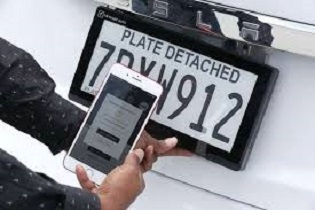
First, they sent the photo to a sub-contractor network. Then, the hackers used a cyber attack to steal them. They did not hit the CPB’s networks during this breach. But they did compromise drivers licence photos and licence plate images. They also say this sub-contractor, whoever it is, copied and sent out images without the CPB’s permission or approval.
One CPB spokesperson says this breach affected around 100,000 people. They want to assure that they took no passport info. All airline and airline passenger info is also safe. But keep in mind this is fresh off the Perceptics incident. Someone broke in their data, this government sub-contractor. Then, their contents ended up on the dark web. However, and thankfully, none of the CPB’s stolen info got on the dark web. Or should I say, it’s not up there yet. This is all the CPB is telling us right now. But you can best believe other people are not keeping silent.
Because those from politics to IT support are speaking out against this kind of security breach. Senator Ron Wyden (D-Oregon) said we need to prevent this in the future. An ACLU spokesperson said this breach is a reminder that the government should not be using facial recognition technology. But there is a point here. When it comes to this security alert: licence and traveler images stole, there is only one real defense. That is prevention, prevention, and more prevention. Because once a cyber crime like this happens, then it’s awfully hard to catch these crooks. It’s also hard to find the info they took. How long do you think it will be before they recover these things? Do you think they will ever catch anyone?

Jun 10, 2019 | Computer technology
So we have another major merger to talk about in the IT service world. It’s been a while since the last big one. But in the 2019 world, you know one is coming, and it’s now here. Salesforce buys out Tableau.
Salesforce is a huge, major customer-manager software making firm based in San Francisco. Tableau is an interactive visual data software firm, located in Seattle. So the deal is this: Salesforce Buys out Tableau for 15.7 billion dollars. All of it will be in stocks. However, Tableau will keep it’s name. Also, their headquarters will remain in Seattle.
So what is so special about Tableau, a company not many people ever hear of? One is, they help people on any skill level work with analytics and data. Therefore, it’s a great teaching tool in this ever changing industry. They also have great clientele, like Netflix and Verizon. Both companies approved this deal. And as it appears, one side of stocks is taking it better than the other side. I say this because Tableau stocks are jumping over 30% so far today. Meanwhile, Salesfore stocks are slipping slightly. However, both CEO’s are glowing about this plan.
Tableau CEO Adam Selipsky says this merger will help people everywhere help people see and understand data. Also, Salesforce co-CEO Marc Benioff said this move will help both companies engage and serve customers. I hope they are right. But I will give them credit. This doesn’t sound like a merge of domination like some of the others do. When you read mergers like Disney buying up Star Wars and Marvel Comics. To me, that reads like Disney is trying to own the world. I don’t see that happening with Salesforce and Tableau. Instead, I see both companies really trying to do what’s best for it’s employees and customers alike. Or am I being naive? Is this merger more about domination and less about the greater good?
Jun 7, 2019 | Computer technology
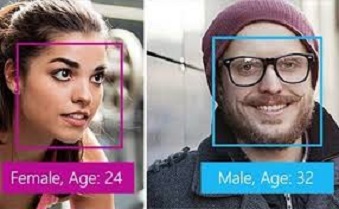
So in the IT support world, few things are more controversial than facial recognition technology. Some say we need it for security. But many say it’s a blatant privacy invasion. However, Microsoft tackles it’s own facial recognition.
They do so by wiping out it’s MS Celeb database. So their database used to contain 10 million facial images of around 100,000 people. But not anymore. Because they’re deleting these images even as I speak. Maybe Microsoft did this on their own power. Or maybe others are pressuring them to take these images down. Because FT.com ran a scathing article recently.
They ran an investigation not just on Microsoft, but on all facial recognition technology. They argued MS Caleb had the faces and other info on people like security journalists and authors. In fact, they’re even cynical about this deleting of MS Caleb. Because FT.com argues these photos will never go away. Because they will always be floating somewhere on the Internet, especially during this social media era. However, Microsoft responded to FT.com. They say deleting their data is a matter of protocol. They also say MS Caleb was for academic purposes. But here’s the question I have. If it’s for academic purposes, then why were 100,000 people on your database? Well, at least they’re coming off now.
But this isn’t the first time Microsoft stood up to facial recognition technology. Because last year, Microsoft President Brad Smith asked US Congress to better regulate this kind of IT tech. Smith testified of the abuse it could lead to if it’s not regulated. That’s what so many Americans are worried about. I include myself in that. In this age, crooks and sociopaths can abuse any kind of technology. Look at some of these events of this past decade. I’m glad Microsoft tackles it’s own facial recognition. What if it gets into the wrong hands?
