Aug 16, 2013 | Computer Repair, Computer technology, Entertainment
Earlier this week, I did a report on the stock market demise of Blackberry. I thought about other once major tech giants that went down. ?Some had great promise at the beginning and just couldn’t evolve with the technology of today, others were doomed from the start. Guess who made the list?
10.?3D FX Interactive:They once led the field in 3D technology and graphics cards. By the late ’90s, lack of research and development caused them to build graphics card that were irreverent and they lost millions, filing bankruptcy in 2000.
9. Wang Laboratories: ?In the 20th century, they revolutionized computing, from calculators to data processing. This 1980 commercial claims they came up with the e-mail. If only they were around in the 21st century.
8. Ala Vista: In 1995, it was one of the first search engines to appear in this new phenomena called World Wide Web. But when the dot com bubble burst, so did Ala Vista. In 2003, it was bought out, and that company was bought out by Yahoo. As of 2013, there is no more Ala Vista website (all you’ll get is Yahoo’s search engine).
7. Commodore:?Remember the ?Commodore 64? This early home computer system was so popular that in the mid 1980s, it owned up to 40% of that market. Then Apple and other competitors stepped up their game and Commodore became a childhood memory.
6.?MSN TV: “I can watch the TV and the Internet all in one?! Sign me up!” For many?years, this was the reaction for many. Then came Netflix, You Tube, Hulu, etc. MSN TV will be shutting down on September 30, 2013.
5. Palm Computing: ?It was one of the first smartphone companies. Their Palm Pilots were one of the first hand held devices on the market. Their stocks were once $95 and by 2001, they were $6.50. They’re now owned by HP.
4. Napstar: It was the first file sharing network in Internet. It also got them in major copyright trouble, even landing them on Capitol Hill. It’s infamous history is now captured on big screens as well as in documentaries.
3. My Space: In the mid 2000s, My Space was all the social media rage. But Facebook came up with a better social media product. By the time Twitter got popular, My Space became a second class citizen. Yes, it’s still around, but when was the last time the My Space CEO made Time Magazine’s Man of the Year?
2. Blackberry: As I reported a few days ago, their stocks are null and void. And they struggle to keep up with the competition. As they look to be bought out, can they make a comeback?
1. America Online: For a long time, they led the league in all things computer technology. As they entered to the 2000s, they could do no wrong. But by decades end, US subscribers crumbled to 5 million, down from 27 million in 2001-02. They ended their relationship with Time Warner. But it looks like things are starting to turn around. In 2013, they reported their first quarterly revenue in eight years. Can they turn it around?
Aug 15, 2013 | Computer technology, internet
There’s a lot of danger out there in the natural realm. It seems we can hardly go a week without hearing about hurricanes, tornadoes, earthquakes, mudslides, volcanoes, floods, sinkholes. There’s even talk of major solar flares. Is any place safe?
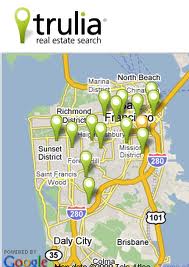
There’s a website called Trulia that can help. It’s primarily a real estate website. However, natural disaster risks have can have a huge impact on the home’s investment, not to mention your family’s safety. Trulia has maps to help you look at potentially and historically disaster areas before you buy. These maps show where the high risks of wildfire and earthquakes are, and that’s just a start. These maps use historic and government data to let home buyers know where the greatest risks are.
Supposed you work hard all your life for decades and do the right thing. After years of saving up, you find your dream home to spend your golden years, whether it’s in southern California or the Florida coast. You log on Trulia only to find out your neighborhood got rocked by an earthquake or nearly washed away by a hurricane or flood in recent years. Wouldn’t you think twice before you invested in that dream home? That’s the great thing about Turlia. But keep in mind you can only get this update on their local based site.?Can we hope other real estate websites, or other sites follow suit?

Aug 14, 2013 | Entertainment, networking
Most of us are familiar with Twitter and the celebrity hub it has become. This is especially true among athletes, who often use it?to keep their names in the national dialogue. Now Facebook is trying to get the rich and famous to that social media site.
Facebook is testing a VIP app that can only be used by celebrities. It lets them monitor what fans are saying about them and if they choose, the celebs themselves can jump in the conversation. Facebook wants to get stars to share more of their lives on their site. Let’s face it; it’s a lot easier for celebs and fans to interact on Twitter. That’s what drives so many tweets. Facebook has even put a team together dedicated?to working with?the rich and famous?on their site. Twitter already has celebrity partners, so Facebook is using this app to catch up.
Will it work or is Facebook wasting their time? In my years in the technological world, one thing I’ve learned is never say never. Here’s another reason I think Twitter is a better celebrity site: celebrities don’t have to say or share as much. On Facebook, people can, and often do, share everything. Now I can see why they would want to chime in on conversations, especially when bad things are said about them and want to clear the air. But I’m thinking privacy is an issue here. I don’t like the fact that even more people are paying attention to my FB conversations than they already are, I don’t care how rich and famous they are. Plus, many a celeb actually want their privacy and want to keep some distance between themselves and their fans. That’s one of the biggest complaints many famous people have today. Twitter allows them to do that. Can Facebook allow celebs to interact with fans as well as respect everyone’s space?
Aug 13, 2013 | networking, Uncategorized, Wireless
Six years ago, Blackberry’s stocks were around $236 a share. As of today, August 13, 2013, those stocks are around $11 a share. Now, it’s committee is talking of either selling the company or merging with another business and/or venture capitalists.
How did it get this way? When Blackberry started in the mid 1980s, it had high expectations. In the 20 plus years that followed, it lead the way in beepers, two way pagers and email devices. But after 2007, it all went down hill. That year, the iPhone was released, and Blackberry couldn’t compete. Then came competitors in Asia, with their low cost and exceptional service. There was the Blackberry Storm fiasco, and fiascos following that. They were either too bulky, the hardware or software didn’t work right, and, well, whatever could go wrong did go wrong. By the end of 2009, Blackberry’s stocks were under $50 a pop, a 78% decrease in two years.
So basically, when Apple released the iPhone in ’07, Blackberry was doomed. But what if this revolutionary company is bought out? What would they get? At best, it would probably get some patents, security technology, and nostalgia. So this wouldn’t even be attractive to many companies or venture capitalists, unless it can use what little they have to really turn things around. And hail maries have been thrown like that before in the technological world. Or Blackberry could throw one last 4th quarter hail mary on their own. What should the once high and mighty Blackberry’s fate be?
Aug 12, 2013 | Wireless
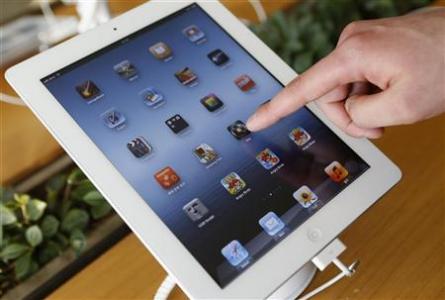
What will the iPad 5 look like? When will it come out? There’s lots of speculation. But much of the speculation say it will be as thin as the iPad Mini.
It’s expected the next iPad will have a touch screen technology, also like the iPad Mini. They’re banking on lightning striking twice with the iPad 5. Film based touch panel technology has become extremely popular, as they can combat technical disadvantages better. If this continues to be successful, with the influence and power Apple has, more computer devices could go the thin touch screen route. And the tablet market is intensely competitive, especially from Android, though it still leads the market. Of course, Apple leaders and employees won’t comment.
I don’t have an iPad Mini, but I see why this kind of technology is so popular and powerful. As the owner of an iPod Touch, I love how thin it is and how I can control the apps, channels, keyboard?and volume with the tip of my finger. I love how I can carry this device in my pocket and it’s razor thinness. We don’t know when the iPad 5 is coming out, hopefully sooner than later.?Are you?more?of a fan of the bulky or the thin technology?
Aug 11, 2013 | General, internet
Have you ever read an article?online that caught your fancy? So you like the article and even share the article. Scientist say your friends will probably?like, comment, or even share it.
If you ‘like’ an article, chances are someone will approve. But even if you show dislike for an article, it probably won’t spur others to like it. They’re studying online articles and conclude a positive comment or even a like can have a great ripple effect. The study shows people tend to herd toward popular things, no matter bad that thing might really be. In the study, a website submitted some articles. Readers comment, liked, or disliked the article, and other people’s comments. People who saw the positive comments and thumbs up were more likely to give an article a positive comment themselves.
I guess that explains quite a bit. It kind of makes me wonder about some things about pop culture. Do people like certain things because it’s good, or because it’s popular? Same thing with these articles online. I’ve read articles where all people do is rant, rave and curse and it gets lots of positive reactions. I’ve read very thoughtful, dignified articles that get negative or no responses at all. I shouldn’t be surprised. Look at what passes as popular TV today. What does this say about us today?

Aug 9, 2013 | Computer technology, Entertainment
Is it me or are there a lot of buyouts going on? Well, I’m listing the Top 10 buyouts in the 2010s. I’m listing them in the order of importance, not really in financial order.
10. Electronic Arts buys Pop Cap, July 2011, $750 Million: Your favorite games like Planets vs. Zombies and Bejeweled Blitz are now part of the same company that brings us Madden NFL and The Sims, giving EA mega gaming power.
9. Disney buys Playdom, July 2010, $563.2 Million: Remember when Disney was about children’s movies and amusement park resorts? Now they’re about owning ESPN, ABC and Playdom, one of the largest social media gaming companies. What’s next?
8. Amazon buys Klva Systems, March 2012, $775 Million: It’s Amazon’s second biggest acquisition in it’s history, but Klva builds robots. Robots are going to be a huge part of our near future one day, and Amazon is in the driver’s seat.
7.. Amazon?buys Quidsi, November 2010, $545 Million: Quidsi is behind diapers.com and soap.com. This acquisition gives Amazon more power over our household products and gives chain stores stiff online competition.
6. Microsoft buys Yammer, June 2012, $1.2 Billion: No coincidence why this tech conglomerate is interested in this private? social media network for businesses.
5. Oracle Buys ATG, November 2010, $1 Billion: This major computer systems corporation got a major ecommerce software provider. Now that these two are teaming up…
4. Yahoo?buys Tumblr, May 2013, $1.1 Billion: It’s Yahoo’s biggest purchase in the midst of it’s big comeback. Will Tumblr help Yahoo get in the social media game?
3. Facebook buys Instagram, April 2012, $1 Billion: The social media king got even bigger when it acquired this online photo sharing giant.
2. Google buys Motorola, August 2011, $12.5 billion: It’s still debated why this acquisition happened. I think Google wants to compete with Android and Apple in the smartphone arena. What better way to do it?
1. Microsoft buys Skype, May 2011, $8.5 billion: They’re many reasons why this deal happened. My favorite is juice for Windows 7 Mobile and future Windows. But everyone wanted Skype. Microsoft got it.
Which acquisitions did I miss?

Aug 8, 2013 | internet, networking
It’s been a few years since I last used Ebay, but I buy many things and make many reservations online these days. I even called a taxi online in the last two weeks. The future of e-commerce looks very bright. Let’s see what giants like EBay President/CEO John Donahoe says.
One thing Donahoe is excited about is EBay’s one hour delivery, which would come from an off-line store. And since it’s mobile to mobile delivery, you can be tracked when the item is coming and where it is. Newspaper trucks are expected to be the deliverers; personally, I think bikers would be a better way to go. He talked about mobile innovation. How would you like to use Pay Pal to tell a store when you’re coming, and when you’re there, you get the help you need, pay with Pay Pal and be on your way? Even when a store is closed, you can buy through your touchscreen on the storefront.
Donahoe hit on the head though. Throwing money at an idea isn’t enough. He says, “The best innovations actually come from a world of scarce resources.”?Well, that is how most businesses get started in the first place. But I still stick by my idea that using bikers would be a better way to carry this out. This would be especially better in cities with heavy traffic and with lighter items. I was also worried this would eliminate more jobs. But I’m thinking the future of e-commerce will create them. How bright is the future of e-commerce?

Aug 8, 2013 | Dental IT
Getting into the digital age is difficult enough for most but when you have been using paper files and charts for years it can be difficult to see the transitions ahead.? The biggest decision for a dental office going digital is choosing the right practice management software.? In the next few weeks we will be introducing you to some software that you may find helpful making either a transition or a start up.? The first big move is deciding if you want to get cloud based software or not.? A few weeks ago I wrote about the advantages of going cloud and with that being said I am going to introduce you to a cloud based software today.? Planet DDS has come up with some software that is very cost friendly.? Denticon is noted as being affordable and easy to set up.? Please?click here?for demonstrations on this wonderful software.? Now if you checked out the demonstrations you must wonder about price.? Well if you?click here?you to see a breakdown of costs associated with going with Denticon.? There are three categories for you to choose from including a free version!

Aug 8, 2013 | networking, Wireless
Don’t you love a good small business story? I have one for you. There’s a system called Whats App; it’s an instant messenger application service for smartphones. It’s 4 years old, but it has the success of a grown business!
As of today, Whats App has over 300 million monthly active users. They now send and receive over 30 million messengers a day. Their users share 325 million photos a day. Now they’re unveiling a push to voice messaging for all smartphones, from iPhones to Android. With this app, a user pushes a?button and records the message. The message is sent when the button is let go. There’s no length for the time or volume of the message. There’s a blue cartoon that tell you when the message is played. If you don’t send, just swipe it to the left and it will be deleted. Oh, it goes to speaker mode when your phone’s at arm’s length!
I love stories like these! Did I mention?Whats App has only 45 employees? And in 4 years, it’s grown to this. In an era where?tech companies are being bought?out or forced to shut down, this guys are going strong. I’m sure this messaging will make them even stronger.?Do we have a?future major technical conglomerate on our hands?
