
Feb 24, 2014 | Computer technology, Entertainment
Times are changing. You use to call on the telephone for certain things and information. Now there are apps for that. And one more cultural treasure has become a casualty of 21st century technology.
The Moviefone phone service, which gave us movie tickets and times through a male computerized voice, is going silent. All you had to do is call 777-FILM. In the 1990s, they were getting 3 million calls a week. Moviefone?got so popular it was featured on a Seinfeld episode. ?But by 2000, after AOL bought it out, those calls were already starting to decline. Consumer and technological changes have only increased.
For example, Moviefone’s app will go on. Now people are turning to the?movie app, Fandango, Movie Tickets.com and other online choices. I good as I like the convenience of today’s technology, but I am saddened when icons like this have to suffer. I will miss Moviefone. Heck, sometimes I even miss my CD player and record store; I’ll admit it. Moviefone founder Andrew Jarcki says, “?There are very few things that really come to the surface in pop culture and manage to occupy a quirky, special place.” You know when you’re being spoofed on Seinfeld, Married with Children, Saturday Night Live, and other aspects of pop culture, you built something special. Now that something special is gone. Do you have favorite Moviefone memories?

Feb 22, 2014 | Computer technology, networking, Uncategorized
A few days ago, I reported Facebook purchased What’s App. I hinted what it could mean for these two businesses and the consumer. But what is ‘What’s App’?
First off, it’s the most popular instant messaging app in the world, with over 400 million users to date and growing. This instant messaging app trend began in Asia, but is really taking off here in the US. Apps like this can be simple, or you can be simple with What’s App, or you can get very creative. Some of What’s App’s competitors are getting creative, like Japan’s Line, which was founded in the wake of that nation’s devastating tsunami in March 2011. Now, Line is on the way to becoming the premier instant gaming message app.
This is an industry that is growing by leaps and bounds, and Facebook’s purchase will make it grow even more. But in addition to Facebook purchasing the What’s App, I’d like to see American innovators building an instant message app that’s just as good, if not better than What’s App or Line. I’d like to see them remain independent for as long as they can, which in this day and age, probably won’t be that long. So who will be that American inventor to step up with the ultimate instant massaging app?

Feb 21, 2014 | Uncategorized
Since 1957, a committee has chosen which extraordinary Americans will be put on US Postal stamps. This committee of Americans decided to add a tech legend to that list.
Beginning in 2015, former Apple co-founder, CEO and computer innovator Steve Jobs will be on US stamps, according to the Washington Post. He’ll be in a good class: late night TV legend Johnny Carson, rock&roll legend Jimi Hendrix and California politician/gay rights activist Harvey Milk will make the 2015 postal stamp class. They’re even bringing Elvis’ 1993 stamp back. Just think, you can celebrate this occasion by blasting Hendrix or Elvis tunes on your iPod, or watch Johnny Carson classics on your iPad.
The US Post office is doing this to boost first class mail sales, which has been tanking for years. How ironic one of the guys responsible for this downtown is being honored by that same business in hopes of increasing that business? You have to be deceased to get a stamp. Jobs has only been dead 3 years. Carson passed away in 20005. Hendrix, Elvis and Milk left this Earth in the 1970s. If I’m not mistaken, this is the quickest any departed American icon has made it to a stamp. And why not? This man gave us the Macintosh, popularizing the home computer. He gave us the iPod, iPhone and iPad, and many technical advances in between. He may not have invented these modern day devices, but he sure made them better. But will Steve Job stamps boost first class postal sales?

Feb 20, 2014 | Uncategorized
In the last 24 hours, we’ve learned Facebook acquired What’s App for $16 billion. What is What’s App? What does it mean for the two social media giants? What does this mean for you and me?
What’s App is the premier instant messaging app for smartphones. You can send videos, audio, and even maps between phones. It was founded in 2009. By the end of 2013, there were approximately 400 million What’s App users a month. And there are only 32 engineers on What’s App who manage the activity of all these users. The number of users have doubled in less than a year. Maybe that’s why Facebook is so excited about this acquisition.
Also, it’s important to remember What’s App hardly spends a dime, if at all, on advertising and marketing. I learned about it through a friend, and they’re advertising is mostly by word of mouth. Facebook’s bread and butter comes from major advertising. So I don’t know how that’s going to work. But Facebook has been acquiring quite a few companies as of late. Zuckerberg insists Facebook and What’s App are perfect partners. I think the potential is there. But my fear is Facebook is going to change What’s App to what they think it should be. Mr. Zuckerberg, I understand you want to grow your company and I applaud that. But could you please leave What’s App the way it is? It’s working just fine on it’s own thank you very much!
Do you think this partnership is a good thing?

Feb 19, 2014 | Computer technology, networking
Google Glass wants to be the next big thing. But in the age of surveillance controversy, everyone is questioning everything. Google Glass is doing it’s part to clam concerns.
Google is putting out a code of ethics of how to use these glasses. I like the term ‘Don’t be a glasshole’ (I hope this doesn’t become some new catch phrase!). But they’re basically reminding users not to use glass where cell phones aren’t allowed. If you’re asked to turn your cell phone off, turn the glass off too. Don’t be rude. But this code does encourage you to ask for permission before taking a picture and treat it like you would your cell phone.
I know they’re trying to make Google Glass popular and acceptable in the wake of the NSA scandals and other controversies, but it’s not working for me. The reason it’s not working for me isn’t because of the Google Glass itself, but it’s because of the human being behind the glass. Look at how many people take pictures of cell phones and puts them on social media, whether you want them to or not. Look at how many celebrities and even regular people get their private business leaked, not by a stranger, but often a jilted lover or even a family member or so-called friend. What about how employers are firing and/or refusing to hire people based on their online pictures. That is my real fear with Google Glass. And this list isn’t really covering that. That’s even scarier. Do you think people will respect other people’s privacy with Google Glass?
Feb 18, 2014 | General, internet, Uncategorized
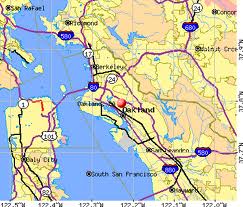
Silicon Valley has become iconic for the many Internet and tech companies that are there. It’s a region in Central California south of San Francisco/Oakland that all of us in the industry owe a debt to. But that might be changing.
Due to the long commutes home, and the not so good public transportation in Silicon Valley, some are proposing Silicon Valley be moved to Oakland. You see, many employees live in San Francisco and some companies are settling there. But keep in mind it’s one of the most expensive cities in the US, and that will start more problems. But Oakland is cheaper and public transportation is better. Oakland is also offering tax breaks. I know, when people think of Oakland, they think of poverty, crime, gang banging, prostitution/pimping, and no opportunities. It was voted one of the toughest cities in the USA. But I see an opportunity here.
If Silicon Valley moves to Oakland, this could change the city’s reputation. I’m sure there are a lot of boarded up buildings that could be turned into gold mines of tech offices. It will be an easy commute between Oakland and San Francisco, the kind of commute not needed with a car. And there are some things Oakland can offer, like Jack London Square and the infamous Raiders. But most of all, these tech companies can tap into Oakland’s untapped reservoir: the youth of that city. There is so much potential there. Push the education system to give them a tech based quality education. Hire high school and college kids for lower entry level work, and turn them on. Offer field trips to these headquarters for younger kids. Teach and hire these kids to these corporations. It won’t happen overnight, but this can be good for everyone involved. Will this work?

Feb 17, 2014 | Entertainment, internet
The app Flappy Bird has become a major, major sensation. But as of February 9, 2014, Flappy Bird is no longer. Don’t even think about trying to cash in on that name.
Last week, the popular game Flappy Bird was taken down. It wasn’t because of legal or economic woes, but because instant fame and fortune became too much for founder Dong Nguyen. Apple and Google are now rejecting games with the word ‘flappy’ in them. A game designer, Ken Carpenter, had his ‘Flappy Dragon’ app rejected because of this. A gaming designer company named Kuyi Mobile had their ‘Flappy’ ideas turned down.
A few years ago, a young teenager released a video and song ‘Friday’ on You Tube. This song got so popular so quick that the girl was subject to bullying and other social problems. She just got burnout and I don’t think she’s made another song/video since. I think that’s what happened to Dong Nguyen. These days, fame and fortune can happen so fast. With the advent of social media, it can happen. One day, you’re living a regular life. The next day, you’re an instant celebrity, whether you want to be or not. Now for those who want to take advantage: I don’t blame them and can’t hate on them. So long as they’re not copying Nguyen’s exact idea, I say let them do so. And as long as the have Dong’s backing, go for it. I know there’s a huge debate about creative ethics, but as long as it’s done responsibly, I say go for it. Do you think Apple and Google are being too strict with this policy?

Feb 16, 2014 | internet, scam, Security
First came target. Then came Neiman Marcus. And today, it’s my unfortunate duty to report yet another major hacking.
This time it was Kickstarter. Kickstarter is a website where struggling artists can form alliances, get funding for their work, and maybe even be discovered by a major label or company. By summer 2013, they hosted over 100,000 projects submitted by artists and raised over $700 million in pledges. But last week, their defenses were broken into. Users’ usernames, emails, physical addresses, phone numbers and passwords were compromised. Fortunately, no credit card or financial data was compromised, as far as we know. Kickstarter quickly revamped it’s security system and vows they’ve learned and improved. But they’re being hush about how many people were affected.
Like I said, the good news is the hackers got no financial info this time. But the info they got could easily lead to ID theft. It can also lead to more sinister problems: What if someone uses the personal info stolen to settle scores, or to sabotage someone’s artistic ability and dream? If you’re using Kickstarter, change your password immediately! I’ll go even further: if you’re using the same passwords for other websites, change those too. Kudos to Kickstarter for catching and reporting this breach before it got anymore severe. But this is the third major breach in as many months that we’ve heard about. Is there anywhere that’s safe?
Feb 13, 2014 | General, Uncategorized
The business and technical world got a lot shorter thanks to a major merger. Cable giant Comcast has agreed to buy cable giant Time Warner.
This move will merge the two largest cable companies in America into one powerhouse! This deal will cost Comcast over $45 billion in cash and stock. Time Warner has been on the selling block for months. Comcast’s offer beat out Charter Communications and billionaire John Malone. This merger brings Comcast 11 million more cable subscribers. They will? now virtually own the New York City cable market.
Am I the only one who worries about what this could lead to? Am I the only one that worries about a monopoly? Comcast has purchased over $65 billion in acquisitions since 2004, one of them being $16 billion dollars for NBC Universal. Of course, that $65 billion doesn’t include this latest Time Warner deal, scheduled to become official later this year. Now sure, this might save a few jobs in the short term, or save an entire company in the short term. But what around the long term? What about when cable bills go sky high and there’s nothing the consumer can do because there’s no competition? What about if a small company wants to get started but are shut down by he big boys immediately? What are some of the positive aspects of Comcast buying Time Warner, if there are any?

Feb 12, 2014 | News
Yesterday, February 11, 2014 there was a protest. There were no marches on Washington. There were no sit-ins. There were no banners or angry, unemployed workers in front of your local state house. This protest took place online.
It was called The Day We Fight Back. Web companies and social/political organizations from all walks of life came together to speak out against NSA surveillance. Last year, we learned the NSA was spying on our phones, computers and other tech based devices. The companies fighting back include Tumblr, Mozilla, Reddit, ACLU, Greenpeace, and hundreds if not thousands of other websites and organizations. These websites put up banners like pictures of Benjamin Franklin and his saying, “Those who would give up essential liberty, to purchase temporary safety, deserve neither liberty nor safety”. One banner had an arrow pointing at the web logo that quoting, “This person is proud to join stop the NSA day.”
These online protest have happened before. In January 2012, over 8,000 websites deliberately shut down to protest SOPA and PIPA, bills that would give copyright holders the right to shut down websites as they saw fit without trial. After these protests, these bills died before they even made it to congress. But that was mostly the entertainment industry; this was the federal government. For months, the outcry has been so loud President Obama has called for NSA surveillance reform. Maybe this will add fuel to the fire. I think they’re getting the message people are tired of this surveillance. What needs to be done is to keep this pressure up. Don’t let up about our 4th amendment rights. There’s an old saying, “When the cats are away the rats will play.” Don’t let the rats play. Do you think this protest was a success?
