
Jun 14, 2014 | internet, networking
Some time ago, I talked about Google’s lack of employee diversity and what’s being done about it. There’s another Internet company facing the same dilemma.
According to Linkedin’s own reports, their diversity report card is probably worse than Google’s. Less than 40% of their employees are women. As far as ethnic breakdown is concerned, just two percent of it’s employees are African Americans and four percent are Hispanic. The only up side is 38% of their labor force is Asian. The gender component is global, from California to Brazil. The racial/ethnic component is limited to the US. Admittance to this problem is the first step. What are they going to do about it?
Like Google, they’re combating this lack on many fronts. They’ve partnered with Year Up, a wonderful organization that helps young, talented, people from underprivileged neighborhoods reach their dream profession, including computer technology and Internet/social media. They’ve also partnered with the Anita Borg Institute. They’re known for getting women into computing fields. They’ve teamed up with other organizations as well. But I still say it’s not jut Linkedin’s problem, but it’s America. These are great steps to take. But we need everyone, from schools to community activists to parents to employers to equip this next generation for an ever increasing technological world, especially in African-American and Latino neighborhoods. What are your suggestions?

Jun 13, 2014 | Entertainment
Another E3 conference has concluded. In honor of this gaming party, we’re saluting the greatest PC games of all time.
5. Oregon Trial: For many, this was our first PC game, taking us back to the mid 19th century Missouri. Did anybody actually make it to Oregon?
4. Doom: It revolutionized the PC game market. It made first person shooter PC games popular. Because parents and critics complained of it’s violence, we wanted more.
3. Star Craft: It’ one of the highest grossing PC games ever and one the most strategic. Which species do you remember most: Zerg, Terrans or Protoss?
2. The Elder Scrolls V-Skyrim: It more than lived up to it’s historic hype. It gave you the freedom to travel anywhere in this game world, and ignore the whole main plot if you want. But the main plot was too good to ignore.
1. World of Warcraft: It’s the highest grossing video game of all time. In a nine year period, over 100 million accounts have been created. It has everything from time travel to steam powered machinery, horror monsters to spaceships. Yet they seem to combine all these, and many more elements, into one pot of gaming paradise.
What are your favorite PC games?

Jun 13, 2014 | Entertainment
Most people growing up from the late 1970s through the mid ’80s can remember the Atari home video game, especially the Atari 2600. Thirty years later, this institution is poised for a comeback.
Atari’s new CEO Fred Chesnis wants to lead that comeback. With only ten employees, one step is licensing the brand to other studios. Let others carry Atari’s legacy. Don’t expect any old consoles to come back either. The focus will strictly be on online and smartphone gaming. They will be new games coming out this fall. Some new games, like Roller Coaster Tycoon, are already out. They plan on entering global gambling, only where it’s legal, of course. Then there’s Atari TV, set to go on You Tube and other acts of social media. Their first Atari TV, will be of all things, a video blog following soccer legend Pele through the ongoing world cup in Brazil.
This is a great step for Atari. It shouldn’t just stick to gaming. It should branch out to other venues like this. If it wants to compete in today’s market, this is the way to do it. And something else I’m excited about: they’re bringing old games back! I don’t mean the old bulky 2600 set, I mean our favorite games like Asteroids. It will be updated to fit the 2010s, but still, it’s nice to have nostalgia. I hope they’ll bring Pitfall and Q-Bert back as well. What old school Atari games would you like to see comeback?

Jun 12, 2014 | Computer technology, networking, News
A few days ago, I talked about the Uber app. You can flag down a cab with your smartphone with this app. And some are in high resistance mode.
Take London cab drivers. About 12,000 of them literally took to the streets in protest of Uber yesterday. Starting in the afternoon, and through the height of rush hour, cabbies staged a go-slow demonstration, deliberately causing traffic nightmares in one of Europe’s busiest cities. London cabbies’ union says Uber will open the door for unlicensed taxi drivers. But Londoners aren’t buying it. In fact, since in the past couple of days, Uber’s usage has increased 850%. As one person put it, “Londoners are voting with their fingers…”.
There’s more to this story. Plus, Uber tallies about how much a cab fare is going to take before the trip even begins. This is why I’m cynical about the London cabbies’ motives. Now I’ve never been in a London cab. I’ve never been to London, except for layovers at Heathrow. But I’ve been in enough cities around the world to know the some drivers will milk you out of the meter if you let them. And I’m not throwing all cabbies under the bus; the vast majority of my experiences in cabs have been good ones. But Uber’s system will keep taxis honest about what they’re charging, and some don’t like it one bit. You may say, “London’s just one city”. I wonder what other major cities in the world think about Uber. Changing computer technology is everywhere now, even catching a cab.? Who do you side with in this debate: the cabbies or the customers?

Jun 11, 2014 | networking, Wireless
Breaking news: the first commercial drone will fly over American soil. But that’s not what I want to talk about. Pretty soon, our whole social media may be controlled by robots like drones.
This is where Fatdoor comes in. Their goal is to combine social media and robots. For example, you throw a house party. Instead of taking pictures of it with your smartphone, you can call a drone/robot to take pictures for you. Or you can have this robot deliver your food. The robot is called Bot Appetit. It walks among our streets. It’s connected to Fatdoor and controlled by your smartphone device. Think of it as bike without a biker. Also connected to Fatdoor is Skytedoor. That’s the drone with two cameras to stream videos on Fatdoor’s network. I forgot: They don’t want you to call it drone. They prefer to call it a skateboard.
The makers of Fatdoor hope to have Bot Appetit running in Silicon Valley before the end of 2014. I’m sure it will catch on with many. This is what I’m cool with. I have great reservations about Skytedoor. It’s creepy enough someone can take a picture with their device and place it on social media, whether you approve or not. Now we’ve got drones…I meant skateboards with two cameras snapping away? And what if there’s a malfunction? Are we giving robots too much power, or have I been watching too much 80s science fiction movies?

Jun 10, 2014 | internet
Do you own a You Tube channel? Are you stuck with with subscribers that no longer tune in? We’ve got good news for you.
Effective June 16, 2014, You Tube will remove suspended accounts from all channels’ counts. You will probably see a decline, a slight one or even a moderate one, it’s nothing to panic about. They’re not active users anyway. They expect to have an automatic system to remove the suspended accounts from active subscriber accounts. If an error or mistake happens, the system is reversible to rectify the mistake.? The overall goal is to prevent spam, hacking, cyber theft and other abuses coming through this medium.
I think this is a wonderful step to prevent abuse through You Tube. But I do have a few questions. What if someone’s account isn’t suspended, but just hasn’t uploaded a video on a channel in a long time and never unsubscribed to that channel? And what about channels that no longer exist? I know of some channels that are no longer active, but yet are still floating around. Can’t a spammer, hacker or someone else with bad intentions take advantage of unused channels? I’ve always been a huge You Tube fan and always will be. Often times, I consider it a refuge from some of this madness that passes for pop culture today. But does more need to done to stop potential You Tube abuse?

Jun 9, 2014 | Security
We’ve all heard about hackers doing cruel things, from sextortion to hacking breaks in cars, or having the potential to. Wait until you hear this disturbing story.
According to news reports, hackers have used traffic signals to play pranks in cities from California to North Carolina. In San Francisco, traffic signals talked of “Godzilla attack! Turn back!” On a North Carolina highway, signs read, “Hacked by Sun Hacker.” It’s said they learned how to break into traffic systems through a website using defaulted passwords embedded into software. Homeland Security’s ICS-CERT (Industrial Control System Cyber Emergency Response Team) advised highway operators, local governments, and highway electronic sign makers like Daktronics, to be on high alert and take necessary measures to avoid, or at the very least, minimize future attacks.
I believe they should heed Homeland Security’s warning. Now I like a good practical joke as good as anybody else. I’ve given some out and I’ve been ribbed some. But some jokes just aren’t funny, especially when you’re putting innocent people in danger. It’s a miracle no major car accidents or injuries have happened because of this. And what if these hackers have more evil intentions? What if they turn off all the traffic signals and lights just to cause chaos? Think about what that can lead to. I’m not trying to scare anybody or spread sensationalism. I’m just trying to give caution, so maybe something can be done. Or if you are that hacker whose playing with traffic lights, think twice before someone gets hurt or worse. What if it was your loved one that got hurt because of this danger?
Jun 8, 2014 | Computer technology
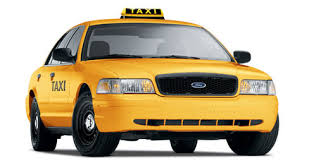
There’s an app out there that could be worth over $18.2 billion dollars. And it raised 1.2 billion dollars thanks to venture capitalist. What special magical powers does this app hold?
The $18 billion dollar Uber app flags down taxis. Now how does an app that flags down taxis for you get to be worth more than some entire nations? First off, lack of competition. You could use the Uber app or deal with an dispatcher who may or may not pick up the phone. There is Lyft and Sidecar which basically offer the same service, but that’s about it. This could be a win for drivers as well as customers. Instead of being run around every way by the old system, drivers can use the app to go from customer to customer.
Taxis aren’t just a New York City thing. I think sometimes we take our cabs for granted. Who takes you to and from the airport in a strange city? Who gets you where you want to go when you don’t drive and when the bus/subway just isn’t cutting it? Who takes you home from a night on the town when you can’t (and really shouldn’t) drive back? Uber has a lot of potential. But do you think that potential is worth $18 billion?

Jun 7, 2014 | Computer technology
In October 2014, Apple is expected to launch it’s next estate of it’s already vast empire.
That estate is wearable technology. Discussed at this week’s Apple Worldwide Developer’s Conference, it will release a smart watch style device that runs on an operating system for and connected to tablets and smartphone devices. As far as what’s on it, nothing is yet official. But there’s been lots of talk about heath issues. This device could count calories, monitor sleep, check blood glucose, blood oxygen, heart rates. Apple has partnered with top clinics in the US, like Mayo Clinic in Minneapolis, and with sports equipment conglomerate Nike.
Will it work? History says not really. Other than the health rate monitor, health devices haven’t really taken off. Plus, many critics say Apple hasn’t been quite the same since Steve Jobs’ death in 2011. I’m not one of these voices. Apple is overdue for a successful hit, well, iPhone 5S and 5C didn’t do too shabby. But people are getting more and more health conscious. People and getting more tech conscious as well. Plus, they’re collaborating with some of the top hospitals, health clinics, and sports organizations in the world. So I think Apple’s healthcare wearable technology is in good shape. Do you?

Jun 6, 2014 | Security
Vodafone is one of the biggest cell phone companies in the world. I don’t know if it was out of force or out of respect, but they gave it’s customers a huge revelation.
They warned of secret wires allowing governments to listen to customer’s conversations in 29 countries. The majority of these countries are in Europe. They say these wires are linked to other telecom companies to allow security agencies to listen in on peoples’ conversations. Sometimes they even track the customers locations. Surveillance can work like this because no warrants are required. The biggest culprits were Italy, Spain and Czech Republic.
How interesting these revelations come to light about a year after Edward Snowden first revealed the NSA and other government agencies were watching our computers and smartphones. I wonder why Vodafone remained quiet was over. Other top online/phone companies let us know where they stood not long afterwards. I look at nations most impacted by this. Spain has been dealing with terrorists on two fronts: from Islamic militants and the separatist Basque party. Italy has taken a major economic hit, and that has led to social problems. Even the US, when you look at what we’ve going through over the last 13 years, of course people are going to be more willing to give up privacy and governments are going to be more willing to take privacy. Do you think surveillance would be this prevalent if we were back in the1990s?
