Aug 1, 2014 | Computer technology, General
Avast Antivirus is a fantastic antivirus software. The video we have for you today is a short walk through on how to remove the deep screen feature from your Avast Antivirus program which can cause some problems with some software that you may use on a daily basis. If you are still seeing problems with your computer after removing the Deep Screen feature don’t forget to call Geek Choice for onsite computer repair.

Jul 27, 2014 | Computer technology, News
A solar flare hits the Earth, causing massive blackouts. There’s no smartphone, computer, television, or radio to be had. We’re knocked back to the American Civil War era. Sounds like a great TV pilot, right? In real life, it almost happened.
Back on July 23 2012, a solar storm barely missed the Earth’s orbit. If that same storm crossed our path nine days earlier, it would’ve sent all technology worldwide into chaos. According to the National Academy of Sciences, a solar flare like the one back in July 2012 hitting Earth could cost over two trillion dollars in damage, put 130 million people in the dark, and take years to rebuild from. In 1859, a solar flare called the Carrington event did hit the earth. On average, a flare hits us every 150 years. A little overdue, don’t you think?
This is why the solar flare issue needs to be addressed. In the 1850s, the worst that happened what the telegraph system going a muck. Today, our computer systems, technology, Internet, electricity, sewage systems, communication services, fuel supply, even access to food and clean water could all take a hit if one hit us today. I’m not preaching fear by any means, but I do think we need to be aware. And talking about it is the first step to preparation. The second step is building a warning system, kind of like what we have for severe weather today. Why are we hearing about this potentially dangerous flare two years later? A logical step would be create technological products and systems that can better stand up to such a threat. What else can be done to keep us protected from an event of this magnitude?

Jul 23, 2014 | Computer technology, Entertainment
Comcast is the largest and most respected cable provider, Internet service provider, and one of the biggest telephone service providers in the world. Despite all these accomplishments, Comcast is one of the most hated companies today, and a customer service episode doesn’t help matters much.
Controversy and fallout continue after an embarrassing service call. A customer named Ryan Block calls to cancel his Comcast service. Instead of complying with Block’s wants, the Comcast rep demands, borderline bullies Block, for an explanation. The conversation leaks into social media and becomes a national headline. Now, COO Dave Watson has gotten involved, posting a heart felt letter on the company website. Mr. Watson says he’s embarrassed by the call, he also says the rep was trained to save customers anyway he/she can. He admits the rep fell short in respecting the customer. Mr. Watson vows in the statement to review and refresh training programs and to better reward customers about doing the right thing.
I hope COO Dave Watson means what he says, and this isn’t some temporary band-aid until the media stops focusing on this. I understand business is business and the goal is to get and keep customers. But respecting customers’ rights and wishes should take precedent over that. Plus, Comcast is the biggest telecommunications company in the world. They even own NBC, several cable channels, Universal studios, and trying to get Time Warner. Why were they so worried about one consumer? They’ll probably get at least 10 more before the rep’s shift is over that day. Their customer relations reputation isn’t that good, but they’re too big to fail. That’s why I cringe when I hear the word merger. Companies get so big they don’t have to care. There’s another lesson here. Be careful of how you talk to your customers. In this era of sophisticated technology, your conversation can get leaked and played all over the world, especially if it’s a bad one. Then what? What other lessons can be learned here?

Jul 21, 2014 | Computer technology, Wireless
If I told you a city in one of the Koreas banned Uber, the taxi hailing app, you would probably guess Pyongyang, right? Guess again.
It’s Seoul, the capital, largest city and business/social hub of South Korea, that is seeking a ban on Uber. Government leaders in Seoul are calling Uber illegal. South Korean law forbids for profit?transportation or go-betweens for that transport that isn’t government registered. ?This app is by no means government?registered. Back in April 2013, one driver was fined nearly $1,000 for using Uber.?Seoul plans to?launch it’s?own?app, very similar to Uber,?by December 2014. But Uber spokespeople in Seoul are fighting back. ?One said outlawing this app puts the city in danger of moving backwards globally and economically.
Seoul, South Korea isn’t the only city?not in?love with the Uber app. Cities throughout Europe are raising chaos over this app. Brussels, Belgium and Berlin, Germany banned the app. Hamberg, Germany wants too. London cabbies have protested Uber in droves. I don’t think I’ve ever seen an app (that wasn’t violently or sexually or language explicit) cause such international controversy. I did a blog about the London protest. I said it then and I say it now, people don’t like change and cab companies are scared to death this is going to cut into their profits. And since taxis are higher taxed in these nations, governments are fearful Uber’s going to cut into their bottom line. Plus Uber can tell people how much a trip is going to cost. This makes cabbies more accountable as consumers become more street wise to meter milking. What are your feeling on Uber?

Jul 20, 2014 | Backup, Computer technology
My Amazon, you’ve been busy as of late. You’ve released an astonishing Kindle book deal. Whether that succeeds or backfires, we’ll soon find out. If it backfires, you’ve got something to fall back on.
According to Pacific Crest Securities, Amazon Cloud’s revenue will increase 58% this year. But that’s just the beginning. Their cloud is already worth 3.1 billion dollars. If their luck continues, it will be worth 6.7 billion dollars by this time next year. This puts Amazon Cloud on par as one of the fastest growing software businesses of all time. Their cloud growth is now up there with traditional servers, like Dell and Hewlett Packard. Last time checked, Amazon Cloud made 1.25 billion dollars?per quarter. These numbers come form Pacific Crest Securities because Amazon won’t dare release it’s own numbers, no matter how successful.
It’s great they can grow a business to this unprecedented success. It definitely puts more traditional servers on notice, which is good for consumer as well as corporation. But a business can grow too fast. I hope Amazon Cloud is careful to keep up with the growing demand for this product and has enough resources and manpower to do just that. I’ve seen major businesses go belly up when growing at this rampant speed. Will Amazon Cloud be able to keep pace?
Jul 14, 2014 | Computer technology, General, Wireless
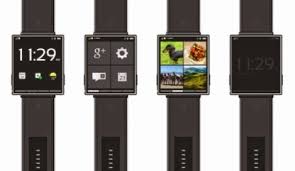
Several of my blogs lately have been about the upcoming technological phenom called the smartwatch. All the tech giants, Apple, Samsung, Google and others are getting involved. But is anybody buying it?
But according to some surveys and reports, the smart watch may not be the next big thing. One survey by Accenture said fewer than half would purchase this device. At best, 20 million smart watches will be sold in 2014. That may sound like a lot, but compared to phones, tablets and other devices, it’s really not. Last year, some watches sold so little that they had to be pulled off of shelves.
But wait: isn’t this supposed to be the next technological revolution? Some argue that anything you can do on these watches you can do with a cell phone device. Some say they’re too bulky and ugly and since you need a computer device to go along with them anyway, why bother? You know, I remember when mobile and smartphones got extremely popular, digital watches decreased. Is this a way to bring back watch revenue? If so, watches will have to go above and beyond, like accept and process payments wherever you go. That’s right…smartphones do that already. They’re doing well in the Silicon Valley area, but what will it take for the smart watch to cross into mainstream? Will it take cooler apps? Will it take lower prices? Will it take a slick marketing campaign? Who wants a smartwatch at all?
