Sep 7, 2016 | Computer technology, Smartphone
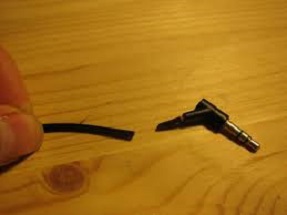
As you remember, I wrote a review about the upcoming Apple iPhone 7. Unlike iPhone predecessors, the iPhone 7 won’t have a headphone jack for earphones of any kind. They’re not alone. Everywhere you go, new technology kills old jack.
The iPhone 7 isn’t the first to start this new technological trend. Moto was the first American smartphone without a headphone jack. The new and sleek Moto Z Droid comes without a jack. Smartphone companies in China are taking the headphone jack out of their smartphones. Let’s look at why they want to get rid of the historic headphone jack. One reason is the headphone jack is so historic. It’s been around since the mid-1960s.
The first radio to have one was the Sony EFM-117J. That radio was first released in 1964. Since then, it’s been a critical part of portable radio. In the 1970s, we used the jack on 8-tracks. For the ’80s and ’90s, it was the Walkman; in the ’90s and 2000s, it was the CD Discman, and now, the smartphone. In the eyes of many tech leaders, the jack is 1960s technology on 2010s devices. Plus, phones are getting thinner, thanks to public demand. These phones are getting too thin for the jack. The headphone jack is 3.5 millimeters thick, the thickest part of a smartphone today.
So why should we keep the headphone jack?
How are we going to listen to our music in our cubicle without distracting a colleague? I’m on a bus, plane, or train. How do I watch movies on my smart device without distracting the person next to me? Technology has an answer for that too. Wireless Bluetooth headphones sales are going up, up, and up. Apple has earbugs that plug into the the charging jack. Personally, earbugs are too small for my taste. I still like my older earphones. I guess I could plug them into a charging or USB-jack with an adapter. But that just sounds like too much hassle. But I am glad there are other options, like Bluetooth headphones. What alternatives would you recommend to replace the headphone jack?

Sep 6, 2016 | Computer technology, Software
Intel is buying a chip maker company called Movidius. Never heard of them? They pride themselves of cutting edge technology innovation. Movidius currently works on RFID chips for drones. Intel is one of the most profitable tech companies in the world. So drones plus chips could equal what?
Intel has been on a spending ‘spare no expense’ spree to stay ahead in technology advancement. Last month, they paid almost a half billion dollars for Nervana Systems. That’s a new machine company. Meanwhile, Movidius seems determined to make a name for itself in the tech industry. They’ve made deals with Google and Lenovo, among others. They’ve come up with a chip called Myriad 2. This chip, roughly the size of a fingernail, can stream multiple videos at once. That’s why Intel wants Movidius’ technology, and their chip. Intel has their camera technology called RealSense. RealSence includes cameras, facial recognition, fingerprints and finger tracking, VR gaming, and new technology that supports drones. Movidius can help Intel’s RealSense tremendously. And Intel leaders know it.
Josh Walden, Intel’s VP of new technology, stated Movidius’ Myriad 2 chip offers lots of possibilities. It offers opportunities to help them track, navigate, and follow every scene picked up by an instrument, such as a drone. Intel wants this chip to help them in drones, robotics and virtual reality. I’m confident Movidius can do it. Little is known about this deal. It should be completed by the end of 2016. We don’t know how much money is being exchanged. We don’t know how many employees will be affected. I hope everyone at Movidius keeps their job. It sounds like Intel needs Movidius more than Movidius needs Intel. I’m interested to see what this merger makes. There’s a lot of talk of tracking and following. I hope they can respect people’s privacy. But in 2016 America, that’s probably too much to ask for. Drones plus chips equals what?

Sep 2, 2016 | Computer technology, News
The US is slipping, again. By now, it should be no secret we’re woefully behind in education. We’re behind in?health care. Not only that, our rivals are better programmers and hackers than we are. Far better.
The United States ranked #28 when it comes to computer programming. Our rivals take the top spot. China possesses the most talented computer developers in the world. Russia comes in at a strong second. You won’t believe this, but Poland comes in third. And this comes from a California based report. The report is courtesy of HackerRank. HackerRank conducts computer and developing tests around the world. Their community consists of approximately 1.5 million developers. This community constantly challenges each other to better their computer skills. They used such challenges for country rankings and developers’ quality. Chinese programmers are the best at math and data structure. Russian hackers are the best at algorithms. Other nations that surpass us aren’t surprising: Germany, Japan, Canada, and Australia. Some results are absolutely shocking? Even Chile surpassed us?
Many tech based businesses were founded here and/or have headquarters here. The Silicon Valley alone has some of the best technological minds that ever lived. However, even many of their computer parts are made in China. Look at the tight relationship between Apple and China. But that’s not what disturbs me about this trend. What disturbs me is the volatile relationships between the US and Russia/China. How many reports have a read about the Chinese government hacking the US? How many times have I read about Russia hacking the US? They rank number one and two in computer programming. What if they severely hack us and take secrets they can use against us? Yet we’re only #28 in computer programming. How will we defend ourselves? How will we strike back if we need to? What do we Americans do to improve our computer programming status? Should we teach computer programming at earlier grades?
Aug 28, 2016 | Computer technology, Security, Smartphone
Last night, I saw a rather disturbing technology based ad. Not only does it promote a tracking device, it describes how scary this device is. ?It tracking method vs. privacy. Which one will you choose?
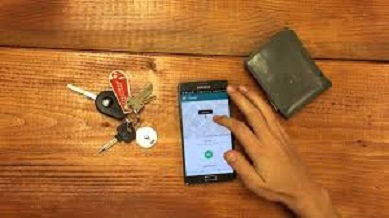
The device being promoted was the TrackR. It’s a GPS system the size of a quarter. You install the TrackR app on your smartphone. Connect the app to your device. Attach the quarter like system to your keys, wallet, phone, tablet, spouse, significant other, child, employee, or anything or anyone else you wish. If you lose something, open the TrackR app. Tap the ‘find device’ function. The app tells you where your misplaced item is. The ad gave the scenario of being in a big parking lost. You forgot where to park (okay, that is very real situation). The TrackR would tell you where your car is. Another scenario used is the stolen bicycle. You use TrackR app. The app leads you to where your bike is now. How much will this tracking device costs? That’s the most tempting, yet disturbing thing about TrackR. I hope this doesn’t encourage you to get it, but one can purchase a TrackR app online for as little as $29! No, I’m not giving you the address!
Okay, the ad doesn’t say attach the quarter size device on your spouse, child, employee, or any other human being. I’ll give them that much credit. But don’t you see where this can lead? Yes, you can find your wallet, phone, bike or car. Those are best case scenarios. Think about the worst. People can sneak this device onto an unsuspecting human being. They will be able to track that human being wherever they go. A violent ex can track down his wife/girlfriend. An enemy can track down an enemy. A bully can track down his victim. A sex offender can use this device to track a child. All he’d have to do is slip this on the child’s book bag or in his coat pocket. This is why I’m scared to death of TrackR and what it could lead to. We already have our government and foreign governments watching our every move. We already have surveillance watching our every move. Do we really need this? It’s tracking method vs privacy? Which one will you choose?

Aug 26, 2016 | Computer technology
It’s the 100th anniversary of the US National Park Service. The National Parks are doing everything to get Americans to visit these parks. You can even visit national parks…through virtual reality.
In Washington, DC, somebody put on a Samsung Gear VR. That VR catapulted him to Yosemite National Park in California. You can get this system at the VR Oculus store. Facebook also has a 360 degree video through National Geographic’s Facebook page. This is all part of the 100th anniversary of the US National Park Service, backed by US President Barack Obama. This VR footage shows Obama’s visit to the Yosemite Park in June 2016. It captures the Merced river and Sierra Nevada mountain range. It captures what the day is like at Yosemite. The sunset scene is absolutely breathtaking. See mountains like Half Dome and El Captain. Not only can you see, but you can hear Yellowstone. One can hear the music of the Merced River. We can hear Obama narrate his Yellowstone National Park experience as a kid. He also addressed perceived threats to the park, like climate change. This experience can come inexpensive.
When things do return to normal this Yellowstone guide has a lot of info about this park and has some amazing unusual routes.
You can experience Yosemite in your own home with Samsung Gear for around $100. But some say you need the Rift VR headset, developed by Facebook. The problem with Rift…it cost $600. Nonetheless, critics say Rift will give you a better Yosemite VR experience. I’ll stick with Samsung Gear, thank you very much. Critics say they would have liked to have seen more of Yosemite. I would like to see more national parks covered on VR. They want more people to visit the national parks. They could have displayed Yellowstone. That’s the park Obama talked about. They could have displayed Glacier National Park in Montana, Biscayne National Park in Florida, Ozark National Scenic Riverways in Missouri, or the scores of other national parks in this great nation of ours. I love nature. I love history. I love America. I love our national parks. This is a wonderful thing they’re doing. But if they’re going to convince Americans to visit their national parks, shouldn’t they show more of these national parks?

Aug 21, 2016 | Computer technology, Smartphone
First came the smartphone. Then came the smart watch. They’re working on the self-driving smart car. How would you like a smart home?
Apple is working on just that. This app is called Home. With Home, you can control all your appliances, from turning on the air conditioning to dimming the lights. I wonder if Home can wash the dishes (thinking aloud). There are three components to Home: Home, Rooms and Automation. With the Home screen, you pick with of your favorite accessories to control. With Rooms, you control individual room accessories. Automation sets up your accessories to function in the real world. Home can be set up with all Apple devices. Say you’re just getting home. Your Apple device tells the Home app to unlock the door and turn on the lights at once. Can it pour you a drink, too (again, thinking aloud)? Home lets you activate scenes. One scene is Goodnight for going to bed. Can Goodnight read you a bedtime story too (again, thinking aloud)? You can control the Home app through Siri voice. You want the lights on? Just say, “Siri, turn the lights on.” She does it. Yes, there is competition for tech home control. Amazon has Echo. Echo’s voice command is Alexa. Google is working on it’s own home tech control.
There’s a reason I’m thinking aloud. All of this home control is totally unnecessary to me. Especially when it’s tasks you can do in seconds. Turn off the light? A toddler can do that. Unlock the door? I can do that in less than a second. Open the blinds? Isn’t that what the pulley is for? Maybe if you lost a key, I can see how Home can work for you. But that’s about it. When Apple Home can wash the dishes, pour me a drink, and read me a bedtime story, then we’ll talk. How would you like a smart home?
