Jul 25, 2017 | Computer technology, News
How did you pay for your coffee this morning? Did you use a debit/credit card? Or maybe you used Apple or Google Pay? But how about a microchip? Welcome to the microchip: Is this our future?
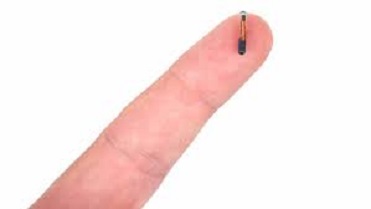
So in Wisconsin, they have a tech company Three Square Market. They specialize in break rooms, also in micro technology. So now they’re offering an RFID (radio frequency identification) chip to their employees. They can use the chips to scan their way into the building. They can also use it to pay for food in the building. Through a needle, they stick the chip between your thumb and finger in your right hand.
The chip is about the size of a grain of rice. Furthermore, the chip is strictly optional. However, over 50 Three Square Market employees agreed to take this chip. They’re doing this to promote RFID technology. So welcome to the microchip. They want to do plenty with this chip. In addition to buying and opening doors, they want to use copy machines, log in computers, unlock your smartphones, store medical records, and buy and sell everywhere. And we don’t even know the half of it. They claim this RFID chip won’t follow you around. So they say.
But eventually, it will. There is already technology where you can track your dog and your kids. In Sweden, a whole office is controlled by the microchip. Is that what this microchip is leading to? Fifty may take it now, but most Americans I talked to want nothing to do with it. People in this Boston computer service shop don’t like it, so don’t bring this nonsense around here. I saw a poll on Facebook of around 2,000 people. Of those, 200 people would take the chip. Then another 500 wouldn’t take it, but wouldn’t quit that job, either. And then, the other 1300 would quit right away! I posted a news story on my FB page. The results ranged from, “Oh, goodness no!” to “What the (explative)?”. Nobody seemed excited about this microchip. So would you take it?
Jul 23, 2017 | Computer technology
Several years back, I read a story about airports scanning eyes and faces. They did this because they used laser technology to identify you. But now, Delta follows suit…sort of. Delta Airlines fingerprint passengers.
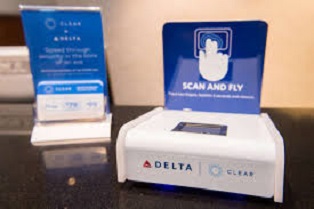
So are you a member of Delta’s Sky Miles program? Do you fly out of DC’s Reagan airport a lot? Then you can take part in their CLEAR security program. But I almost forgot, after all that, this program still costs $179 a year. However, you can save time and let them fingerprint you at the airport for ID purposes. They started this in May 2017 and it’s getting more popular every day.
When Delta Airlines fingerprint passengers, they can board a plane and/or enter Sky Club lounges without an ID. Also, using this biometric technology, you’ll be able to check in bags with with your fingerprints. That should be official by September 2017. Delta executives love this program, and we should expect more to come. One says it’s more accurate than regular tickets. Also, they say it helps better with seat changes and other last minute things at the airport. And you don’t have to keep track of your fingerprint like you do a paper ticket. This is in addition to the RFID baggage handling app they added on last year.
Usually, I’m very weary about technology following me around like this. But this time, I can deal with this. That’s because I remember losing my tickets in the airport twice. Thankfully, I found them and some staff helped me find them. Of course, one time they said to me, “You either find that ticket or you’re going nowhere”! That was motivation enough. Maybe this kind of IT service and fingerprint technology will stop such awkward conversations. I want to hear from you guys. How long will it be before this is available to everyone? Will this cost human jobs for robots?
Jul 20, 2017 | Computer technology
How much do smartwatches cost these days? Some cost around $75. Others cost several hundreds, even thousands. But would you pay as little as $50? I ask this because Amazon and Pebbles think you would. The fifty dollar smartwatch: Thank Pebbles and Amazon.
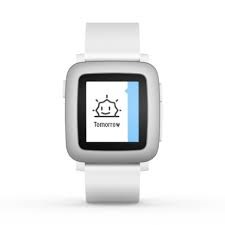
So let me explain. Pebbles offers it’s popular Pebbles Time Smartwatch. It generally sales for $150, but Amazon is now peddling it for $50. That’s 67% off! However, what are you getting? First of all, you’re getting a strong, 9.5mm thin glass. This sounds like it’s pretty tough to break. Then, you get water resistant coverage up to 98 feet deep. So you can do everything from shower to snorkel. But what else?
You can get your typical timeline on here. This includes your breaking news, weather, sports, app updates, and things other notices you get with smartphone style technology. It comes with a microphone, too. However, the most remarkable thing about the fifty dollar smartwatch may be the battery life. It lasts not a few hours…or even two days…but one week! That’s right. You can go days and days without scraping for a charger. You can hardly say that about any smart or portable device these days. This smartwatch accepts thousands of apps from all walks of life, from Facebook to your favorite TV station. For the health conscious, it can track your steps, and even sleep patterns.
But I’m not sure how long they will keep this fifty dollar smartwatch going. I don’t know if it’s permanent or limited time only. But one thing I always learn in computer repair and IT support: hardly anything lasts forever. So get this thing now. This seems like a good buy. However, I haven’t read any complaints…yet. I notice Amazon is being mighty generous lately. Are they trying to get on people’s good graces in the wake of the Amazon buyout?
Jul 18, 2017 | Computer technology
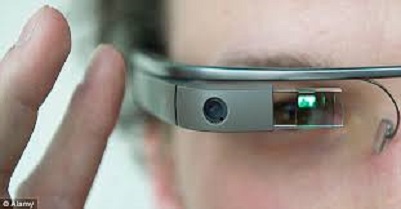
In the early 2010s, they hyped up Google Glass to be the next big thing in technology. That’s because for $1,500, you can put on these things. Then, with the wink of your eye, you take pictures of things without others’ knowledge or approval. Now, Google Glass Is Back…Will this time be different?
So here comes Glass Enterprise Edition. First of all, Glass Enterprise Edition isn’t for the general public. However, this time, they aim these glasses at business firms. These firms get these glasses for their employees because these glasses could help them do their job better. Interest already grows for some companies.
These companies include Boeing, DHL, and General Electric. It seems to be working in their favor. For instance, DHL’s productivity increased 15 percent. Also, the medical industry does well from the new Google Glass. Because they say they reduce paperwork. Furthermore, this gives doctors and nurses time with their patients. Google Alphabet X ?works hard to make these generation of glasses more comfortable. Then there are the apps, present and future. For example, DHL has an app where the glass tell, and shows, the worker where items go. Then the medics have their own app. The glass does their note taking for them. That’s how they can get more time with patients and less time with agonizing paperwork.
It seems the Google Glass is back. This is where I usually criticize or approve people about pricing. But I may not have to do that here. If they’re toting it to businesses and hospitals, that will cover that cost. It sure beats asking Mr. and Ms. Consumer to pay $1,500 to pay for this. Also, with selling to businesses, it takes more ethical questions out of it. If they keep it within the business, then I don’t have to worry about somebody taking a photo of my with their eye on the street. Sure, I’m sure the same can happen in doctors’ offices and DHL facilities, but it lessens the blow. I wonder can this work in computer repair, and how it can benefit things like getting laptops fixed. Google Glass is back. Are we ready?
Jul 13, 2017 | Computer technology
There is a lot of mistrust in the media today. However, there are reasons. Yes, much they politically skew much of it, but technology messes it up too. We have everything from Photoshop to social media death hoaxes. Then there is lip syncing technology: The trickiest technology yet.
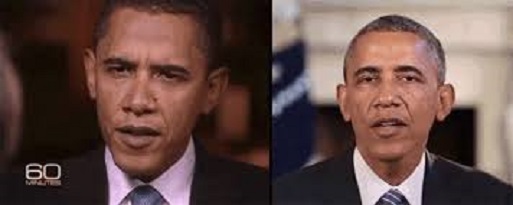
That’s right. With this lip syncing technology, you can put anybody’s words into anybody’s mouth. Some researchers at University of Washington tested this. So they took footage of some of Obama’s speeches. Then, they showed a photo of Obama just sitting in a suit and tie. They had side-by-side clips. One clip showed Obama giving a real speech. The other showed him appearing as he’s talking, but really not.
These researchers will promote and show off this lip syncing technology in conferences across the US. One of them,?Ira Kemelmacher-Shlizermanm, says this will be good for communication. She thinks this is great for video conferences. For example, she said this could connect a realistic video with audio. I’m sure she’s right. Then, others say this can help with robot technologies. The big boys, like In fact, some want to use this lip syncing to make robots even more human.
That would be best case scenario. What is the worst? People can use this for deception, or worse. If you think the ‘fake news’ crises is bad today, then wait until this lip syncing technology takes over. And what about our political figures? Media, or somebody on social media, or IT support, can manipulate a speech about any political figure. They can use lip syncing technology to turn something innocent into something horrific and spin it around. And look at the hateful political climate these days. Then, somebody can use it for personal reasons. Somebody can mess up somebody’s speech for any reason whatsoever. That’s what I’m afraid of. Will lip syncing technology help us, or will it doom us?
Jul 12, 2017 | Computer technology
Did you know today, July 12, 2017, is Net Neutrality protest day? So they call it Net Neutrality Day of Action. Therefore, all the tech giants celebrate. Expect websites to show pro net messages through pop-ups, GIFs, and other means. Happy net neutrality protest day!
But why are they doing this? Because they want to raise awareness. They also want to encourage millions to fight President Trump’s policy to rollback neutrality rules. The timing is right on. This comes five days before Trump’s reversal begins. But the major player of the rollback is Ajit Pai. He is the FCC’s (Federal Communications Commission) new chairman.
So what can we expect today? We can expect ‘pop-ups’, blocked pages, and even the spinning wheel of death. They do this on purpose because they want to show us the consequence of these rollbacks. Many in the IT service industry protest these rules because they believe it will give unfair advantage to major Internet providers. We mean providers like AT&T, Verizon and Comcast. As of right now, net neutrality stops the big boys from blocking the Internet. This is to give smaller websites a better chance to compete. But if that protection is gone, it gives the giants an opportunity to block the websites, hogging all the glory for themselves. Will they?
However, is this the right way. Is making pop-ups and blocked pages the right way to fight these new laws? Or is this just a plain nuisance? Fortunately, nobody in our Boston computer service shop has run into this. I hope nobody does. Because what this tactic might do is push people to the other side. It might annoy people to the other side. I know the net neutrality protest mean well. But the road to…is paid with good intentions. I’m afraid this could come true. So Happy net neutrality protest day. Will it backfire?
