Mar 29, 2018 | Malware
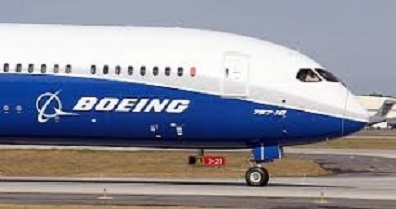
So we all remember the WannaCry last year. Because in 2017, this malware virus tore a lot of things up, from hospitals to government agencies. It’s still around in 2018. WannaCry isn’t dead yet: They hit Boeing.
That’s right. So reports say their the malware started at Boeing’s? North Charleston, SC site. One memo wrote the virus hit automatic assembly tools, although he wrote it in code. Then, the memo said that ‘airplane software’ may be next. Very soon after they discovered the threat, they treated it with a ‘kill switch’ and patches. This did slow the virus, with significance. However, they may not kill the virus altogether. I say that because this may be a newer strain.
Boeing came out with a statement addressing this potential crisis. They admitted WannaCry affected dozens of machines, but it won’t interfere with their aircraft production. They also claimed the memo, and other news articles, overstated the threat. Yes, they admit the malware threat. But they assured they remedied the situation and it will not mess up production of any kind. However, we don’t know where the attack came from. Though a lot of people have a good idea.
That suspect is North Korea. They served as a thorn in the IT service world since The Interview movie fiasco back in 2014. And in the years that followed, the relationship between the west and North Korea got more intense. Many security experts claim North Korea is responsible of WannaCry. Some others say they’re behind this attack on Boeing. It wouldn’t surprise me.? I hope Boeing is telling the truth about this threat not being so bad. Over the years, this malware caused a lot of havoc on other IT support systems. I hope it causes none on one of the biggest airplane makers in the world. WannaCry isn’t dead yet. What will it take to kill it?

Mar 28, 2018 | Computer technology
So IT support can do lots of things. But can IT service give you better health? There’s an Irish start up company that thinks so. So do venture capitalist that support them. LetsGetChecked: Can IT support save your health?
The founder is Tom Foley, who started LetsGetChecked back in 2014. It’s lab building technology that focuses on health testing. Then there are the ventures supporting this thing. They include Chinese VC company Qiming Venture Partners. Recently, they raised over $12 million. They will use the money to add people to their clinical team. I also hope they use these funds to expand worldwide.
LetsGetChecked is what is sounds like. It’s a health testing kit you give right at home. This includes cancer screenings, sexual health and STD testing, even hormone and fertility issues. You get the test based on your health concern. You can only get it through their website, and only after a doctor approves it. Then they’ll ship the test to your house. You do what you have to do, then send the sample back, with your kit, to their facility. If the sample reveals a serious diagnosis, like cancer or STD, then a LetsGetChecked doctor will call you.
Furthermore, these health kits are all over the place in cost. The cheapest cost $55. The most expensive costs? over $700. It depends on your test and your issue. Is it available in the US yet? I want to say yes. According to their website, they do have an office in New York City. They also have a US number you can call. They also have offices in their native Dublin, Ireland and another office base in Toronto, Ontario,Canada. I’d like to think if I ever used this kit, then it would stay at least in the US, and not go all the way to Ireland. Would you use a health kit like this?

Mar 27, 2018 | Malware, Security, Smartphone
So when it comes to Android fighting the constant battle against malware, there is good news and bad news. The good news is that they’re doing a better job keeping malware out of the Google store. But the bad news is hackers are finding new and creative ways to invade your Droid. There is Android malware in a code app.
This new malware strain is?Andr/HiddnAd-AJ. Yes, that’s the name of it. However, what is scary is how subtle and innocent it looks. Hackers slipped it into Google Play as a QR code and compass app. This is kind of like a repair man coming to your house, but you find out that repair man is a burglar. By the time you realize he knows the way to your house, it’s too late.
This tactic is nothing new, but is is slick and tricky. They buried a hostile code in a regular Android library. And it doesn’t mess up your system right away. In fact, it can take up to six hours before this malware does any damage. There is more good news. In the last 24 hours or so, Google found and cancelled this fake app that’s causing this. Google and security experts insists it’s safe to use and buy from Google Play.
I can only hope so. Myself, and many in our Boston computer service shop, a lot of us use Android. I will give Android credit. A few years ago, all we read about is Android getting hacked, and getting hacked often. Now, you don’t hear about that as much. That’s a good sign. But this doesn’t mean the hackers are going to stop trying. In fact, it means they’re going to try even harder. Any good IT service worker will warn you of such threats because they don’t want you going through it. That’s what we try to do here. Have any of you been impacted by Android malware in a code app?
Mar 26, 2018 | internet
So the year 2018 is not off to a good start for Facebook. First, many blame Facebook for ‘fake news’. Then, a movement starts calling for people to delete Facebook altogether. Now, an Ars Technica report says Facebook collects SMS data from Androids without users’ permission or approval. So this is Facebook embroiled in another scandal.
Keep in mind they already apologized for the Cambridge Analytica scandal. Now comes this. But this time, Facebook denies these new reports. In fact, Facebook denies ever logging in people’s call and text history. Then they explained the deal. Facebook said that on the Android Faceook app, it includes an opt-in feature. With this feature, they agree to use it. However, they can turn off the opt-in feature at anytime. When they do, that will release any call, text or any other data the app might share.
It didn’t take long for Ars Technica? to respond. They say that Messenger was never even installed on the Android devices they use. This came from their editor, national security editor Sean Gallagher. He further says in installed the app on tablet Nexus and Blackphone 2. It’s almost like he’s backtracking here. But is it too late?
Even on my Facebook page, I’m losing friends. It isn’t because of anything I posted (at least I don’t think so), but because some people are tired of the scandals. They’re also heeding peoples’ call to get off one of the most popular IT service sites in the world. That’s not good for Facebook. Stock markets are proving it. As of right now, Facebook stocks are down over 4%. This doesn’t include the downfall their stocks had last week. I don’t know if Facebook is right, neither does anybody in this computer service shop. We don’t know if Ars Technology is right. But we do know this article will do even more to Facebook. So here we have Facebook embroiled in another scandal. What do you think this one will do?
Mar 23, 2018 | Malware, News, Security
So many of us still have nightmares of WannaCry and NotPetya. Those are the malware viruses that nearly crippled British computer systems back in May 2017. But now Atlanta is under the gun. Ransomware hacks Atlanta: Is it SamSam?
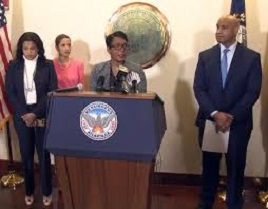
Over the past 24 hours, malware crept into Atlanta’s IT service systems. Because of this, the city government can’t even do simple things. This includes processing payments and getting court case information. Then, Atlanta Mayor Keisha Bottoms addressed the attacks. She assured the Atlanta people the government will be open the next day (which is today). She also said this malware didn’t attack airports, public safety or services.
Mayor Bottoms stated she’s working with federal agencies to see who compromised what data. But here’s what we do know. SamSam ransomware sent a note. The note demanded $51,000 in Bitcoin to let go of the systems.They’re also demanding certain files. I cringe to think what those files are and what they want with them.? That’s almost six Bitcoin. SamSam is just one of malware systems that attack government and health care systems. Furthermore, SamSam has been doing this since 2015. They deliberately target these systems because they know how critical gov’t and health care are to the people. Thus, leaders are more likely to pay the ransom. These hackers also know they have better means to pay than individuals or small businesses.
But immediately after the attacks started, Atlanta tweeted the people of what’s going on. The mayor followed that with a press conference, and got federal agencies like FBI and DHS involved. Microsoft also helped out in this. So I applaud Atlanta Mayor Keisha Bottoms for how she handled Ransomware hacks Atlanta. Hopefully, all systems are normal in Atlanta. Why does what happen in Atlanta affect Boston, particularly near our Boston computer service shop? If it can happen in Atlanta, what makes you think it can’t happen in Boston?
