Sep 5, 2018 | General
So a few weeks ago, I reported that Apple is worth a trillion dollars. Then yesterday, another IT support company made that feat. Amazon is now worth a trillion dollars.
So here is how Amazon did it. Tuesday, their stocks passed the $2,050 mark. That’s just for one share. So now think of many many shares worth that amount. That’s the main reason Amazon crossed this tremendous feat. But that’s just the beginning. Because the other reasons are more complex. First of all, Apple just sales high end tech products at a high price. Well, some of our Boston computer service shop?clients will tell you different, and not in a good way either.
However, let’s go back to Amazon. They make 49 cents a sale on their e-commerce site. This includes everything from two dollar artifacts to two thousand dollar laptops. It employs over 550,000 people. Many of them work at home. Also look at how quickly Amazon rose to the masses. For example, as recent as 2010, Amazon was worth barely $100 billion. Also, around this time, they came out with Kindle, which sold quickly. Then came Amazon Web Services and other services. Then they went into Hollywood movies and streaming services. But as recent as 2015, they were worth barely over $200 billion. However, within the last three years, these services Amazon offers grew like wildfire.
Not only that, but they added new ones. They started Amazon Delivery, Amazon Prime, and Alexa the voice machine. Some call it exciting and awesome, while some others call it annoying and encouraging laziness (including present company). I mean, do you really need a machine to turn on the lights or TV for you? I digress. Oh, I almost forgot, they got Whole Foods now. So with all these advancements, they are the second company in American history, the third in world history, to cross the trillion dollar mark. That’s how Amazon is now worth a trillion dollars. But what about the small businesses, and major retails corporations for that matter, that got left out?
Sep 4, 2018 | Smartphone
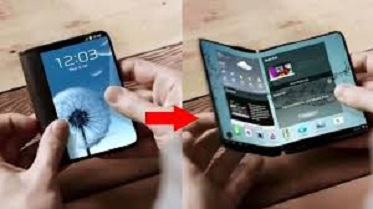
So, do you know about the folding smartphone? Well, here is a small example. But now, Samsung, who talked a good game for years about this, might be showing up. The Samsung folding smartphone: Is it a likelihood?
So keep in mind much of this is ‘he said, she said’ speculation. I don’t particularly like doing articles like this, but it’s a slow tech news day around here. However, Samsung Mobile CEO DJ Koh says it’s time to deliver. He also hints the delivery could come in November 2018. This conference will take place in San Francisco, CA, in the heart of IT service land, Silicon Valley.
But here is why I say ‘speculation’. Because Koh didn’t talk about how the Samsung folding smartphone will work. He gave a little about the thought process and ensures this project will have the utmost functionality. In fact, Koh hints that his company won’t rest until customers say, “Wow. This is the reason Samsung made it”. He said he’s going to change Samsung’s approach to the ‘mid-tier’ smartphone market. They’re targeting millenials and gen-zers (gen-z means those born after 1999) who can’t afford the high end smartphones. Could this be a clue of what the Samsung folding smartphone will cost?
If it is, then that will be the only clue they give us. We don’t know what hardware or software features this will have. We don’t know about apps, AI, or facial recognition it might or might not offer. In fact, we don’t even know what the price is. But when Koh talks about this folding smartphone, he wants to target younger people. That could be a clue in price, a clue in IT support, or maybe both. But we do know some people want this phone. And they’ve been wanting it for years. How much longer will they wait? The Samsung Galaxy smartphone: Is it a likelihood?
Aug 31, 2018 | Computer technology
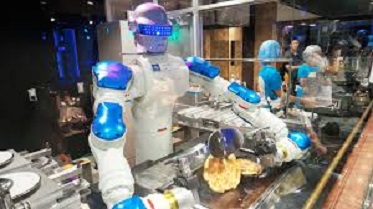
So a few years ago, fast food workers protested, insisting on a higher minimum wage salary. Some of them got it, but some of they got replaced. And not by other workers, but by robots. However, there is another IT service company taking this to a whole new level. Let’s see how AI takes over fast food industry.
So there is a company they call Clinc. Clinc is a AI tech firm that specializes in AI voice conversation. They’re already offering their services to fast food giants like Taco Bell and McDonald’s. If they have their way, it will be a robot voice, instead of a human being, taking your order at the window.
However, they already say there are complications. They already admit how difficult it was to get AI to take orders. That’s because the people that run Clinc know that every order and voice are distinctly different. But like all voice technology, Clinc is trying to make their voice as human as possible. They also know a person can change their mind or add extra things at the drive through window. That’s why they’re studying things like speech pattern and voice. But they insists you can talk to this system normally just like you can a human being. We’ll see about that.
However, I will give Clinc credit here. They already have major clients in the banking industry. Okay, maybe that’s more or a warning sign than credit, but it goes to show. Clinc can make this happen. Some even used Clinc’s services at fast food joints in the past. Sometimes it got it right. Then other times, it got it wrong. But then again, humans get it right and wrong sometimes. So what makes this robot so special? And has this IT support firm even thought about the jobs that could go away because of this? As AI takes over fast food industry, what will become of this industry?
Aug 30, 2018 | Computer technology, internet
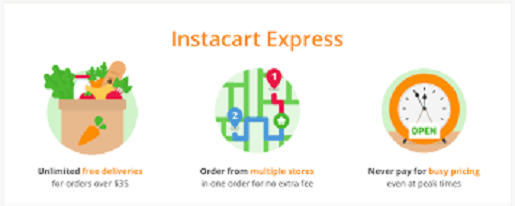
So who knows what Instacart is? If you don’t, then it’s a grocery delivery app and service. Late last year, they made a deal with major grocer Kroger’s and their sub-chain, Ralph’s. But recently, they made a deal that topped the previous one. Let’s look at this Instacart expansion.
Today, they announced Instacart will now open for up nearly half of all Kroger grocery stores. Basically, this means by November 2018, Instacart delivery will be available for over 1,600 Kroger stores. However, Kroger isn’t the only one benefiting from the Instacart expansion. Other chains like Sam’s Club and Albertsons also have Instacart deliver their groceries to customers.
They want to reach 80% of Americans by the end of 2018. They just might. Because as of now, they can reach 70% of the people. They’re getting plenty of backup too. In one month alone, they raised $200 million worth of capital. In fact, Instacart is now worth around $4 billion. Now let’s talk about the competition. Because there’s plenty of it. Amazon and Whole Foods have their own delivery services and apps. And they’re worth a combined $14 billion. Then you have Target. Obviously, there’s a clothing and accessories retail store. But they’re doing their own online delivery.
Then again, maybe such competition is a good thing. Grocers like Sam’s Club sees how Amazon is trying to turn the world into their own monopoly. Maybe that’s why Sam’s Club ran to Instacart’s arms. This is interesting because less and less people are going to grocery stores…well, traditionally. Now, they’re shopping for their foods and other supplies online. Then, they go pick them up or have a driver deliver them. So IT support and IT service even affects the way we grocery shop, something that people have done since the beginning of time. The grocery store app race is on. Who do you think will win?
Aug 29, 2018 | internet, News
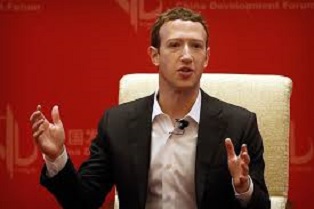
So I’m telling you something you already know. This country is very divided politically. In fact, it’s the worst I’ve seen in my lifetime. Silicon Valley and IT service aren’t immune. Facebook isn’t immune. This is the Facebook face off.
So here is what’s happening. Conservative Facebook employees formally complain about the intolerance, even sometimes bullying, of liberal Facebook employees. Also, these complaints reached the New York Times. Over 100 joined this complaint. But you can bet there will be more. Furthermore, this group has a name. They call themselves ‘FB’ers for Political Diversity’. This group just started last week. There’s more to this Facebook face off.
Facebook engineer Brian Amergie started this movement. He calls Facebook a ‘political monoculture’. He then talks about how Facebook promotes free thinking. But in the office, mobs often attack people who don’t think like them. Others must agree. Because more people are speaking out. Also, this isn’t the first time Facebook got in trouble about this. Because in 2016, they had to form a group ‘Facebook Avon’. It’s where conservative Facebook employees could talk about their ideas without fear of cursing, trolling, or censorship. But they shut down that group in December 2016. Keep in mind that was just one month after that crazy election.
The magazine Business Insider tried to contact both Facebook and Amergie about this. But this isn’t unique. Silicon Valley is known for being a die hard liberal Democrat territory. In fact, of all the billionaires there, I think only one openly supported Trump. And being a supporter of his is dangerous in that part of the country. Look, I’m not here to take sides. Nor am I here to endorse anybody. But I do want to encourage understanding. I also want to encourage civility. There’s too much hatred going on. That includes both sides. So if this is what it takes to bring peace to the IT support world, then good. Can’t we all just get along?
