Dec 7, 2017 | News, Security
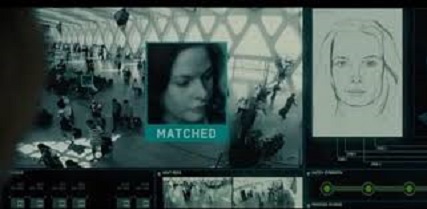
I struggled with what I’m going to write today. Then somebody showed me an article that made me sick. The State of Arizona is using drivers’ licences and state IDs as tools of facial recognition. So let’s look at Arizona facial recognition: Is this even legal?
Here’s how it works. They take your photo at the DMV or RMV (whatever you want to call it). Then they scan by an algorithm. This studies your facial features. Also, they compare your face to 19 million other Arizona citizens. This program is in concert with the REAL ID Act of 2005, in the wake of the 9/11 attacks. However, this act doesn’t require facial recognition. It just calls for measures in stricter identification.
So naturally, this concerns many citizens. The first concern is hacking/ID theft. Someone, especially from the inside, can hack into this database and do goodness knows what with it. But there is an even bigger concern: government surveillance. Some privacy rights groups, like the EFF, worry we’re heading toward an Orwellian state. First off, there is no system of accountability here. Then, take in there are no laws, or any incidents, to justify things like Arizona facial recognition. In fact, that’s true for any facial recognition.
What we have here is, “You give them an inch, they’ll take the mile”. The REAL ID act is the inch. Facial recognition is THE mile. There are people at the top who want to turn IT support and IT service into Big Brother. And don’t think this will be limited to just Arizona. Because in 2020, all states must adopt REAL ID standards. This could include passports just to fly domestically! It could also include facial recognition in every state. Since there’s no limit to what they can do, every state in the country can use facial recognition. And the way things are going, they probably will. I hope they don’t. Arizona facial recognition: Is this even legal?
Dec 6, 2017 | internet, News
Needless to say, 2017 is not a boring year, especially in social media. We in computer repair see and try to cover it all. Twitter covered it all. In fact, Twitter reveals 2017 reveals social and political turmoil.
So you can’t talk about Twitter these days without talking about US President Donald Trump. Because he has everybody talking and tweeting. People tweet about him more then any world leader. Also, people in this country tweet about Trump than they do any American politician. And you can bet, not all the tweets are warm and supporting. Guess what some of the top hashtags are? The number one hashtag is resist. Then guess what what #3 and #6 hashtags are? They are #ImpeachTrump and #NotMyPresident, respectively.
But President Trump isn’t the only US political figure on 2017’s top tweet list. Some of the most liked and most re-tweeted tweets came from former US President Barack Obama. One came in January when Obama thanked those who supported him as he left office. The second one was when he spoke out against hatred. Also on twitter that year, people addressed other turbulent issues. Two of the biggest liked tweets included Penn State helping Hurricane Harvey victims and Ariana Grande sending condolences to the victims of the Manchester, UK terrorist attack.
Time Magazine named the Silence Breakers and #metoo movement as their Persons of the Year.? They’re exposing years of sexual abuse and harassment, usually by powerful men. One of the leading silence breakers, actress Rose McGowan, definitely made her presence known on Twitter, especially on this issue. Other hot button issues on Twitter this year are the NFL kneeling and boycotts and turmoil with North Korea. But really, Twitter reveals 2017 social and political turmoil . In our computer repair shop, we watched it all. I’m sure every shop in America did. Let me hear from you. What is your favorite, or least favorite, Twitter moment of 2017?

Dec 5, 2017 | youtube
I love You Tube. In our computer service shop, sometimes that’s all I watch. But lately, many complain of inappropriate videos they put up at You Tube, especially when it comes to children. So You Tube is doing something about it. You Tube increases moderation.
So according to You Tube CEO Susan?Wojcicki, they’re hiring over 10,000 moderators in the near future. This is after a series of complaints that are now turning into outright scandals. This also includes content aimed at kids. For instance, you take your kids to a rated G movie. Then your hear f bombs and see blood and nudity, as do your kids, in this rated G movie. Imagine the outrage.
Former You Tube show Toy Freaks is finding that out the hard way. Because You Tube cancelled their channel after many complained the young daughter was in inappropriate situations. They’re not the only ones feeling this kind of backlash. Last year, You Tube put in place a new policy enforcing stricter policies against channels that aim blatant, inappropriate content at kids. In fact, they canceled thousands of videos and cut off advertising for over 50,000 channels. They already up the polices, but apparently, they need more enforcement. That’s where the extra 10,000 moderators come in.
Sure, they have IT support tools like algorithms to moderate bad content. But let’s face it, human beings are the best way to regulate human beings. Personally, I’d like to see a ratings system like they have on movie and TV shows. Then the moderators can determine what is good for what age group. What if a kid shows has something inappropriate for small children? Then a moderator can put a PG-13 like rating on the video, and explain why the video is bad for small children. I have my reservations about them canceling channels altogether. Just put a rating on them, then let the parents decide if it’s good for them or not. I totally understand parents want to keep their kids safe and innocent. You Tube increases moderation…can this lead to censorship?

Dec 4, 2017 | internet, Security
Many of you, especially parents and guardians, know Facebook has a T rating. So that means Facebook is for teens and adults only. However, a special app opens Facebook for kids of all ages (well, those 6-12). It’s Facebook Messenger for pre-teens.
This Facebook Messenger for Pre-Teens does several things. First of all, it lets parents get the app for their child’s device and create the profile. Then, they approve of people who can be on their kids’ page. It also has strict privacy guidelines and filters. The privacy filter helps protect from child predators and other bad guys. Then the filters block any graphic violence or sexual content or other things inappropriate for innocent ears and eyes.? In other words, Facebook is going all out to produce a safe, wholesome atmosphere kids deserve.
However, this kid messenger app has fun things they direct towards kids. For example, kids can make stickers, masks, and other GIF’s and send them to relatives and friends. They’re other fun things to get their attention, like crayons and fidget-spinners. But if a kid wants to friend a classmate, the kid’s parents must approve the request from the other kid’s parents. Also, when the child turns 13, this app doesn’t transfer into a regular Facebook page. At that point, he/she has to create his/her own page just like everyone else.
I do applaud Facebook for going out of their way to create a safe space for kids, especially of this young age. Some may argue, “Isn’t Facebook going too far with these guidelines?”. I don’t think they’re going to far. We had this debate in our Boston computer service shop. Yes, surveillance among adults concern me. But when it comes to the safety of young children, it’s a different story. Social media can be a dangerous world, on all fronts. We in computer repair know it and see the dangers, from ID theft to cyber hijacking viruses. In fact, in the last week, two children committed suicide because of relentless bullying. You can bet the bullying continued over social media. So no, Facebook isn’t going too far. What do you think of Facebook Messenger for pre-teens?
Dec 3, 2017 | News
They say a lot about Black Lives Matter, the group that campaigns against police brutality. However, some government officials call them dangerous. Also, some others go out of their way to spy on them. So let’s see if this civil rights group exposes government surveillance.
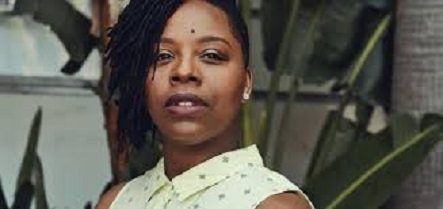
All of this is according to?Patrisse Cullors. If you don’t know of her, then you should know she co-founded Black Lives Matter several years back. She wrote about it in a tell all book. She even gave this kind of surveillance a name: Conitelpro 2.0. Cullors named it that because back in the 1960s, Cointelpro was an government operation that spied on Dr. Martin Luther King, The Black Panthers, and other civil rights leaders and groups. She also revealed that in August 2017, a FBI report called civil rights group BLM “black identity extremists likely motivated to target law enforcement officers”. Furthermore, Cullors says this is something we need to take seriously. But she? revealed a difference between BLM’s situation and those back in the 20th century. She claims back then, they couldn’t really know the FBI or CIA spied on them. However, today, they can see it today.
I find that interesting. It almost sounds like her surveillance situation is better than those who went before. If that’s the case, then I beg to differ. Because today, Cullors and BLM have to contend with surveillance those in the 1960s couldn’t even dream of. Today, they can spy on you through social media pages. How many people lost their jobs that way over recent years? Computer repair and IT support devices themselves can be a weapon of spying. Don’t you know your own smart TV can spy on you, and send your information to the government? Then you have a surveillance camera on every corner, literally. And you have no idea what your neighbor will do with his/her smartphone camera. So I say the surveillance culture is far, far more intense than it was 50 years ago. Speaking about it, like Patrisse Collors is doing, helps. What else will?
Dec 2, 2017 | Computer technology, General
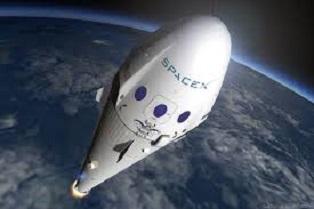
Space X CEO and IT support guru Elon Musk wants Mars so bad. He also wants us to go there, too (well, the most elite of us, at least). His Falcon Heavy rocket plans to launch as early as this month. It’ll also have his car on it. Elon Musk Sends Tesla car to Mars.
Furthermore, his car radio will play David Bowie’s classic hit, “Space Oddity”. You can read his excitement on his tweets he sent out yesterday. Musk expects they will launch his Falcon Heavy rocket from Cape Canaveral, Florida sometime this month. Or it will be early 2018 at the very latest. But in the net tweet, five minutes later, he admitted the car could blow up during take off. However, that’s the risk he seems willing to take. If it survives, then he said, “Will be in deep space for a billion years or so…”. In other words, he doesn’t expect to see his expensive Tesla ever again. Falcon Heavy follows Falcon 9, and it’s stronger, too. They want to use it for more trips and missions between Mars and the Moon. In fact, Falcon Heavy is three Falcon 9’s strapped together. So now, it can serve beyond Earth’s Orbit.
But that’s not all. Space X wants to recover all the rockets that power Falcon Heavy. He even wants to pour more of his money, talent and resources into rocket technology. But everybody in computer repair, and many others, knows what Musk really wants. He wants to do this to send people to build colonies on Mars and the Moon. I’m talking permanent colonies. He’s not the only one in tech who wants to do this. Because Stephen Hawking believes our only hope is to evacuate Earth and move to Mars. His words, not mine. Elon Musk sends Tesla car to Mars. He wants to send us, too (well, only those he think are worthy). Do you think he will?

Dec 1, 2017 | Uncategorized
Google is cracking down on certain ads because they may put you at risk. This also follows years of complaints, especially by Android owners. It’s Google vs Lock Screen ads.
They’re going after shady ads that appear on your lock screen. This is according to Android Police’s new policy. Not only does this imply to fly by night suspicious apps, but popular, established ones as well. Perhaps the most popular app under the gun is ES File Explorer. It already has over 100 million customers, and shows few signs of slowing down. Well, maybe this Google vs Lock Screen ads policy will.
So why are they doing this? Because such ads could open the gates to spyware, and other dangers. Ironically, ads in danger include some anti-virus tools, especially the newer ones. The new policy states only apps that actually promote a lock screen will be acceptable. Furthermore, other ads will not be able to promote a locked device display. It sounds like they gave in to pressure. For example, last year, Reddit users posted a list of apps they thought were guilty of shady lock screen ads. Yes, this did include ES File Explorer. It also included HiFont and 360Security.
However, this isn’t the first time Google cracked down on bad or shady ads. In 2016 alone, they got rid of over two billion such ads. I don’t blame Google for their concern. Here in our Boston computer service shop, we treated spyware that started when they clicked on shady ads. We’ve fixed desktop and had laptops fixed that way. But there is a concern here. They’re also banning ads deemed, ‘offensive and inappropriate’. Those words scare me. Because those words lead to censorship. And with all due respect, we’re living in a culture where everything seems to be offensive to everybody. So yes, if they’re casing spyware and malware, then something needs to be done about that. However, if they’re banning ads because a few people are offended, then what could that lead to?

Nov 30, 2017 | Computer technology, News
Yesterday, I talked about a West African tech firm making it big. So now, it’s Europe’s turn. There’s an IT support venture firm they call Atomico. They offered the state of European tech: It’s actually pretty good.
So according to Atomico, 2017 is a banner year. First, Europe invested a record $19 billion in regional startups. Then, over 50 tech firms made over $50 million in Europe. That’s also a record. In fact, seven IT service and tech firms crossed the billion dollar worth mark this year. So who are the heroes? They include Rovio, a gaming studio in Finland They gave us Angry Birds. They also include Outfit 7, a mobile app company that started in Slovenia. Because they develop apps for Apple and Android.
Even Atomico itself has their part to play in this. At their London headquarters, they raised over $765 million in venture capital in 2017 alone. Other European venture companies helped out as well. For instance,?Sequoia Capital helped invest $50 million in a AI company in Bristol, England. And yes, Silicon Valley venture companies invested in the state of European tech. So when somebody ask, “What does this have to do with me or us?, that’s what. Even American companies, those who make the computer tech products you use daily, contribute to the state of European tech.
You know, the last couple of years in Europe haven’t been that good. The continent endured terrorist attacks, racial/ethnic tensions, political shakeups, and then some. So Europe can use some good news right now. And here is some. You know, come to think of it, I haven’t reported too much on Europe as far as computer repair or technology is concerned. So this is a good step. But where does Europe go from here? Will all of this venture capital produce jobs, the jobs that this continent so definitely needs? Will it help Europe?

Nov 29, 2017 | Computer technology
When we think of computer technology and IT support, what countries do we think of? Probably the US, China, Korea, and a handful of others? But what about West Africa? Could West African tech get it’s big break?
In Nigeria, there is a tech firm they call Interswitch. It helps with Nigeria’s banking system; it also offers payment infrastructure. In fact, they got so big they were about to go on the London Stock Excahnge. Interswitch would be the first African tech firm to do so. But there are obstacles. A Nigerian recession, a sliding currency, and acts of terrorist violence are holding Interswitch back.
While their stock exchange debut is delayed, Interswitch is still optimistic. One executive assured their company will be on the stock market before December 2019. Even Nigerian politicians are hopeful. For instance, one Minister of Communication says the time is right for them to go public. Though this West African tech company poises to be the first to go public, they’re not the only ones. A Kenyan grocery store company and a rival Nigerian tech firm Flutterware are also contenders. But even rivals say Interswitch is the best African tech company to be the first to go public.
But what does this have to do with me? Well, it levels the global playing field as far as tech. In fact, I think this this is the first blog I have done on West African tech. I hope to do more. Sometimes, I think this continent gets a bad break. You ask the average person what they think about Africa. Images of extreme poverty, war, and mayhem probably come to mind. It’s time to change that. I’m glad West African tech companies like Interswitch are leading the charge to that change. How do you think this will impact the international tech world?
Nov 28, 2017 | Uncategorized
We had Black Friday, then Small Business Saturday, then Cyber Monday. But today it probably the most important of them all: Giving Tuesday. It’s an online movement urging people to give to their favorite charities/non-profits. And tech leaders play a part. Let’s see how IT service leaders celebrate Giving Tuesday.
So let’s start with Microsoft founder Bill Gates and his Bill and Melinda Gates Foundation. Then add Facebook. Together, they will match $2 million in funds raised today on Facebook for non-profit groups. Also, Facebook is waving the 5% fee on donations today. It’s a huge leap because last year, they only matched $500,000. However, the donations came in so fast they upped their match to $900,000 before the day was over.
They will cap each fundraiser at $1,000, or $50,000 for matching US nonprofits. This will go on until the overall global $2 million matching limit is met. Sound confusing? Well, the big non-profits will have individual fundraisers. Furthermore, Facebook users can create their own donation buttons. I saw some on my page and they look pretty good. So you can add your own donate button by just typing #donate. You can even do a Facebook video promoting your favorite non-profit. Matching started at 8AM Eastern Time. So go see Facebook today.
I applaud Bill and Melinda Gates for matching pledges. I also applaud Facebook for encouraging people to give, one way or another. But they’re not the only candy store in town. Just think of your favorite charity/non-profit. Look them up and make a donation directly. You may have their friendly reminders from them in your email. I got some. But I’m good with it. Because I know I donated to a cause greater than myself. You know, I just had a thought. If Americans got as excited about Giving Tuesday like we did Black Friday, or Cyber Monday, what would that look like?
We specialize in laptops fixed though.
