
Mar 8, 2014 | Computer technology, News
To say Bitcoin has not had a good week?is putting it mildly. Newsweek and other either media want to know: Who was behind the Bitcoin fiasco?
We meet Bitcoin inventor Satoshi Nakamoto, age 64. He appeared in modest clothing and came out of his suburban Temple City, CA to a media firestorm. Not even the police officers could believe this was the man who started an online revolution. When pressed for questions about his creation’s downfall, he refused most questions. What came out the improve interview was his statement, “I am no longer involved in that and can no longer discuss it. It’s been turned over to other people. They are in charge of it now. I no longer have any connection.”
I do have much respect for Satoshi Nakamota. Not only did he start an online revolution, he kept his humility in doing so. He didn’t go around buying exuberant homes, flashy cars, pop champagne at the club, or date models with his new found wealth. He remained grounded. The one percent today can learn something from him. But I can’t help but express a little disappointment here. It’s hard for me to believe his own creation went under and he now he abandons ship. This reminds me of that scene in the Titanic where the shipbuilder jumps in the lifeboat the first chance he got and leaves his creation, and the people on it, to suffer. This is far from over. What will the next chapter of this Bitcoin soap opera be?

Mar 7, 2014 | Computer technology
There are drones over our homes! Maybe not right now, but thanks to the ruling of one case, there might be soon.
That case was Federal Aviation Administration (FAA) vs. Raphael Pirker. The FAA fined this rising filmmaker $10,000 for using a drone over the University of Virgina. Pirker’s defense was the FAA never really claimed flying his model of drone aircraft was illegal. Therefore, making the basis of making his drone illegal was null and void. They never took proper requirements to make an official regulation. Presiding Judge Patrick Geraghty? agreed. In layman’s terms, you can use your drone to do whatever you want. Up, up and away!
It’s comforting yet scary. It’s comforting because they’ve given us the freedom to use drones when it’s clear the federal government is doing so. So we should give props to Pirker, his attorney, and Judge Gereghty for this victory. But the scary part is what will these drones be used for? There has been lots of controversy about drones being used to spy on people. And what better way to spy than use a plane that few people know are flying above them? It’s bad enough the authorities are rumored of doing that, but now the rest of us have been given authority of doing the same thing. Should we be concerned?

Feb 24, 2014 | Computer technology, Entertainment
Times are changing. You use to call on the telephone for certain things and information. Now there are apps for that. And one more cultural treasure has become a casualty of 21st century technology.
The Moviefone phone service, which gave us movie tickets and times through a male computerized voice, is going silent. All you had to do is call 777-FILM. In the 1990s, they were getting 3 million calls a week. Moviefone?got so popular it was featured on a Seinfeld episode. ?But by 2000, after AOL bought it out, those calls were already starting to decline. Consumer and technological changes have only increased.
For example, Moviefone’s app will go on. Now people are turning to the?movie app, Fandango, Movie Tickets.com and other online choices. I good as I like the convenience of today’s technology, but I am saddened when icons like this have to suffer. I will miss Moviefone. Heck, sometimes I even miss my CD player and record store; I’ll admit it. Moviefone founder Andrew Jarcki says, “?There are very few things that really come to the surface in pop culture and manage to occupy a quirky, special place.” You know when you’re being spoofed on Seinfeld, Married with Children, Saturday Night Live, and other aspects of pop culture, you built something special. Now that something special is gone. Do you have favorite Moviefone memories?

Feb 22, 2014 | Computer technology, networking, Uncategorized
A few days ago, I reported Facebook purchased What’s App. I hinted what it could mean for these two businesses and the consumer. But what is ‘What’s App’?
First off, it’s the most popular instant messaging app in the world, with over 400 million users to date and growing. This instant messaging app trend began in Asia, but is really taking off here in the US. Apps like this can be simple, or you can be simple with What’s App, or you can get very creative. Some of What’s App’s competitors are getting creative, like Japan’s Line, which was founded in the wake of that nation’s devastating tsunami in March 2011. Now, Line is on the way to becoming the premier instant gaming message app.
This is an industry that is growing by leaps and bounds, and Facebook’s purchase will make it grow even more. But in addition to Facebook purchasing the What’s App, I’d like to see American innovators building an instant message app that’s just as good, if not better than What’s App or Line. I’d like to see them remain independent for as long as they can, which in this day and age, probably won’t be that long. So who will be that American inventor to step up with the ultimate instant massaging app?

Feb 19, 2014 | Computer technology, networking
Google Glass wants to be the next big thing. But in the age of surveillance controversy, everyone is questioning everything. Google Glass is doing it’s part to clam concerns.
Google is putting out a code of ethics of how to use these glasses. I like the term ‘Don’t be a glasshole’ (I hope this doesn’t become some new catch phrase!). But they’re basically reminding users not to use glass where cell phones aren’t allowed. If you’re asked to turn your cell phone off, turn the glass off too. Don’t be rude. But this code does encourage you to ask for permission before taking a picture and treat it like you would your cell phone.
I know they’re trying to make Google Glass popular and acceptable in the wake of the NSA scandals and other controversies, but it’s not working for me. The reason it’s not working for me isn’t because of the Google Glass itself, but it’s because of the human being behind the glass. Look at how many people take pictures of cell phones and puts them on social media, whether you want them to or not. Look at how many celebrities and even regular people get their private business leaked, not by a stranger, but often a jilted lover or even a family member or so-called friend. What about how employers are firing and/or refusing to hire people based on their online pictures. That is my real fear with Google Glass. And this list isn’t really covering that. That’s even scarier. Do you think people will respect other people’s privacy with Google Glass?
Feb 11, 2014 | Computer technology
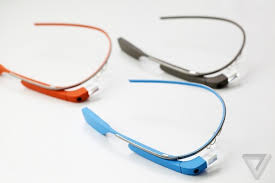
For the last year or two, Google Glass and it’s reputation has grown. This year is expected to be it’s banner year. Now, this rising entity is partnering with a major airlines.
At London’s Heathrow Airport, Virgin Atlantic is giving their staff Google Glasses. They’ll be using this latest technology to help ‘Upper Class’ passengers check-in and get information about their flights. This glass service will even translate the info into foreign language. One poll said that over half of? travelers think flying has gotten worse in recent years. Both Virgin and Google Glass believe this is the answer. If successful at London Heathrow, expect this experiment to be seen at other airports worldwide. This trial will last about six weeks.
Well, Google Glass has proven to make life easier for firefighters, helping them navigate through burning buildings and even finding the nearest fire hydrants. But this is flying. I don’t see how this is going to make flying better. I’m sure it will make the experience more efficient. Look at the kiosk: You can just check-in your flight using that machine and the only time you even speak to a clerk is to give them your check-in luggage. More efficient, but I don’t think it’s better. You know what will make the flight better? How about stop crowding people on planes? How about letting passengers fly all their luggage for free? How about giving away snacks and meals for free? Maybe even an in-flight movie and friendlier service? Maybe even better on-time service? Those are the things that will make the flying experience better, not some technological glass. What technological things could be done to make flying better?
