Apr 16, 2014 | Computer technology, Security
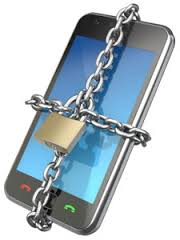
Every hour in the US, around 110 cell phones are lost or stolen, often by force or violence. States are circulating a ‘kill switch’ law. It would lock stolen phones. But big company names are fighting the good fight against this evil.
Companies such as Apple, Google, Samsung, Nokia and Microsoft are committed to adding their own anti-theft technology on newly made phones starting in 2015. Effective July that year, phones made after then will have ability to wipe out data and declare the device inoperable in case of a lost or stolen incident. This would be done remotely. Devices would be shut off until the original user gave permission. Some phones like Apple’s iOS 7, already have Activation Lock. This feature shuts down reactivation until the original user says so. In addition, these companies generally support the ‘kill switch’ law.
Although I totally applaud these carriers and companies for stepping up their anti-theft protection policy, not everyone feels that way. I read one comment that claims we consumers will now have to pay more for other consumers irresponsibility. I respectfully disagree with this. Yes, there are some common sense things can do to protect ourselves, like never leave your phone out in a public place. Guard your phone like you would your wallet or pocketbook. We can all do that. But the thing is, criminals are getting smarter and more brazen. Criminal hackers are using more sophisticated codes to break into phones. Instead of just pickpocketing a phone, robbers are just beating you out of it or sticking weapons in your face demanding it. So this is why I support such laws and efforts. Do you think they will help keep us safe?

Apr 11, 2014 | Computer technology, Software
How bad do you want Google Glass? Do you want it so bad you’ll go through an exclusive process? Well April 15 may be your lucky day.
That’s because of April 15, Google will sale their portable Glass to anyone. So long as that anyone has $1,500. It’s only available in the US and this somewhat generous offer is for a limited time only. But don’t go looking for Google Glass at any technical store. You still have to fill out a form. This form includes why you want Google Glass. Google has increased the availability of Google Glass use, but you have the be invited to the Glass Explorer program. This offer includes a free shade or frame.
As far as making Google Glass more inclusive, this is a good start. But from what I’ve been reading, and what I feel, if they want to make this wearable computer more inclusive, come down on the price. I’ve heard suggestions of $1,000 (which sounds about right) to $150 (we’re talking wearable computer people, not a Commodore 64). And I say prolong this promotion, for as long as you can. If it sales well, make this available to some other nations. Just be careful which nations you choose. I used to scorn the Glass Explorer program, but now I’m understanding it. I can see why they want to be careful of who takes pictures with the bat of an eye. That kind of technology can be abused so easily. Will you be shelling $1500 for Google Glass?
Apr 9, 2014 | Computer technology, General
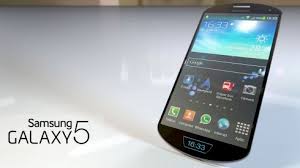
It’s a busy morning and you’re brushing your teeth. You turn around and drop your Samsung Galaxy S5 in the toilet. Don’t worry. According to test, this smartphone will be fine.
This is one of the biggest selling points of the new Samsung Galaxy 5. They’ve done other waterproof test, like freezing it in Jello and submerging it in a margarita. Other selling points include heart rate monitors and fingerprinting. That’s right: Do you have password problems? Just use your fingerprint to unlock your phone; it’s a lot harder for a hacker to copy. This smartphone claims to go back to basics, being simple to use. It has a larger screen and longer battery life than iPhone 5, up to 20 percent. It’s not exactly the best looking phone that’s ever been purchased. Samsung Galaxy S5 will cost you $200 with a two year contract.
There are other things I can talk about with this phone, but I want to highlight on the basics. For a phone of this magnitude, I think $200 plus contract is a decent price, so long as the contract remains fair and honorable. It’s cool that it’s waterproof, but don’t go all Homer Simpson or Peter Griffith. It’s made for water accidents. Leave the testing up to the professionals. Don’t? try these test on your own. It may not be the perfect phone; some say it’s too basic. But hey, isn’t life today complicated enough? It’s release date is expected to be April 11 in the US, UK, and over 100 other nations. Will you be in line to get the new Samsung Galaxy S5?

Apr 8, 2014 | Computer technology, Entertainment, Uncategorized
As you know, today is the last day of Windows XP. I thought we could look back at some other technologies that have left us. Moment of silence, please.
10. Windows XP : It’s been around for 12 years. The following, Windows Vista, was a bust. It was so successful people didn’t want to let go. It’s over. Let it go.
9. Napster: This file sharing, and music sharing website was the target of jokes, lawsuits, and celebrity controversy. In December 2011, they were bought out by Rhapsody.
8. Floppy Disk: Can you believe between 1970-2000, this was the premier way to save and protect your files?
7. Pagers/Beepers: For those born after 1995 here’s how it worked: someone called your pager number. You called them back at your nearest land line phone, even a pay phone. That’s right: you wouldn’t know what a pay phone is either.
6. Commodore 64: For many in the 1980s, this was their first home computer. It ran a family only $595 (around $1,500 in 2014 dollars). An Apple that decade cost you $2,000, that’s in 1980s dollars.
5. Atari 2600: For many in the 1980s, this was your first home video game system. Forget Angry Birds and Halo; we were lucky to have Frogger and Pac Man.
4. Walkman: Headphones, cassettes, and the freedom to blast those racy lyrics your parents will never hear.
3. Personal Digital Assistance: In the ’90s, these electronic gadgets let you organize your so-called personal life. We have smartphones for that now.
2. Record Player/Turntables: This was the premier way of listening to music from the early 1900s-80s. Now, many DJs don’t even use them in the club. The Mac Book serves as their ‘wheels of steel’.
1. Record Stores/Video Stores: No more mega chain stores like Virgin, Tower, Blockbuster. Then again, who needs VCR’s, VHS’s? cassettes, or CDs?
Wow Windows XP. You’re in good company.

Apr 3, 2014 | Computer Repair, Computer technology
I’ve blogged about this a week or two ago. Some are taking heed; some are dragging their feet. So let me remind you what’s going to happen on April 8.
Effective Tuesday, April 8, 2014, Microsoft will shut down support and security for Windows XP operating systems. If you’re going to be stubborn and keep windows XP after the 8th, you will be extremely venerable to malware, spyware, viruses and other attacks. It means if your business is governed by regulations like HIPAA (Health Insurance Portability and Accountability Act), you may not be able to satisfy such regulations. I’ve seen the penalties for breaking such requirements, like fines civil lawsuits, stiff fines, even prison time! Software vendors will no longer run products to support Windows XP. Hardware products will no longer support Windows XP.
Now that I’ve scared you straight, there are things you can do about it. You can buy a new PC. There are a lot cheaper than they used to be. Computers made after 2006 aren’t going to carry XP. You should never use a PC over 10 years old anyway. I’ll go even further: If your PC can’t run Windows 8.1, get another computer. It’s cheaper, easier, and more convenient than it ever was. At the very least, you can convert your software system to Windows 7 or 8. Personally, I prefer 8. This is simple and inexpensive to do as well. So what’s your excuse for staying with XP? Oh that’s right: you don’t have one!

Apr 2, 2014 | Computer technology, internet
As recently as the mid 2Triple000s, few of us had access to mobile Internet. Few of us knew what an ‘app’ was. Let’s look at how things have changed.
According to a Flurry.com report, American mobile device owners spend 2 hours and 42 minutes on them, up 4 minutes from last year’s tally. But here’s the eye opener: only 14% of that time is spent on the Web, down from 20% in March 2013. The majority of that time is spent on apps. And of that app time, a third of that is spent on games and another 20 percent is spent on Facebook alone. After that, another combined 14 percent is spent between social network and entertainment.
On my mobile device, I’m a huge You Tube junky. I wonder if that qualifies for social network or entertainment. Come to think of it, I spent a lot of time on Facebook mobile, especially while out of town. I’m surprised a bigger percentage isn’t on entertainment. We’re heading toward an age where mobile entertainment is becoming so popular that by the 2020s, cable TV may be as obsolete as the VCR. I’m surprised games took up that much percentage. But everywhere I go, I do see people playing Angry Birds, Candy Crush and other games. I think in a few years, a lot more people will use mobile devices for entertainment and social media way more than gaming. Within a few years, these two will trade places on the pie charts. What do you think of these trends?
