Dec 7, 2017 | News, Security
I struggled with what I’m going to write today. Then somebody showed me an article that made me sick. The State of Arizona is using drivers’ licences and state IDs as tools of facial recognition. So let’s look at Arizona facial recognition: Is this even legal?
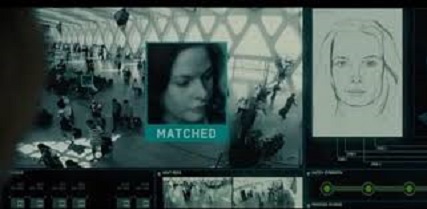
Here’s how it works. They take your photo at the DMV or RMV (whatever you want to call it). Then they scan by an algorithm. This studies your facial features. Also, they compare your face to 19 million other Arizona citizens. This program is in concert with the REAL ID Act of 2005, in the wake of the 9/11 attacks. However, this act doesn’t require facial recognition. It just calls for measures in stricter identification.
So naturally, this concerns many citizens. The first concern is hacking/ID theft. Someone, especially from the inside, can hack into this database and do goodness knows what with it. But there is an even bigger concern: government surveillance. Some privacy rights groups, like the EFF, worry we’re heading toward an Orwellian state. First off, there is no system of accountability here. Then, take in there are no laws, or any incidents, to justify things like Arizona facial recognition. In fact, that’s true for any facial recognition.
What we have here is, “You give them an inch, they’ll take the mile”. The REAL ID act is the inch. Facial recognition is THE mile. There are people at the top who want to turn IT support and IT service into Big Brother. And don’t think this will be limited to just Arizona. Because in 2020, all states must adopt REAL ID standards. This could include passports just to fly domestically! It could also include facial recognition in every state. Since there’s no limit to what they can do, every state in the country can use facial recognition. And the way things are going, they probably will. I hope they don’t. Arizona facial recognition: Is this even legal?
Dec 6, 2017 | internet, News
Needless to say, 2017 is not a boring year, especially in social media. We in computer repair see and try to cover it all. Twitter covered it all. In fact, Twitter reveals 2017 reveals social and political turmoil.
So you can’t talk about Twitter these days without talking about US President Donald Trump. Because he has everybody talking and tweeting. People tweet about him more then any world leader. Also, people in this country tweet about Trump than they do any American politician. And you can bet, not all the tweets are warm and supporting. Guess what some of the top hashtags are? The number one hashtag is resist. Then guess what what #3 and #6 hashtags are? They are #ImpeachTrump and #NotMyPresident, respectively.
But President Trump isn’t the only US political figure on 2017’s top tweet list. Some of the most liked and most re-tweeted tweets came from former US President Barack Obama. One came in January when Obama thanked those who supported him as he left office. The second one was when he spoke out against hatred. Also on twitter that year, people addressed other turbulent issues. Two of the biggest liked tweets included Penn State helping Hurricane Harvey victims and Ariana Grande sending condolences to the victims of the Manchester, UK terrorist attack.
Time Magazine named the Silence Breakers and #metoo movement as their Persons of the Year.? They’re exposing years of sexual abuse and harassment, usually by powerful men. One of the leading silence breakers, actress Rose McGowan, definitely made her presence known on Twitter, especially on this issue. Other hot button issues on Twitter this year are the NFL kneeling and boycotts and turmoil with North Korea. But really, Twitter reveals 2017 social and political turmoil . In our computer repair shop, we watched it all. I’m sure every shop in America did. Let me hear from you. What is your favorite, or least favorite, Twitter moment of 2017?

Dec 5, 2017 | youtube
I love You Tube. In our computer service shop, sometimes that’s all I watch. But lately, many complain of inappropriate videos they put up at You Tube, especially when it comes to children. So You Tube is doing something about it. You Tube increases moderation.
So according to You Tube CEO Susan?Wojcicki, they’re hiring over 10,000 moderators in the near future. This is after a series of complaints that are now turning into outright scandals. This also includes content aimed at kids. For instance, you take your kids to a rated G movie. Then your hear f bombs and see blood and nudity, as do your kids, in this rated G movie. Imagine the outrage.
Former You Tube show Toy Freaks is finding that out the hard way. Because You Tube cancelled their channel after many complained the young daughter was in inappropriate situations. They’re not the only ones feeling this kind of backlash. Last year, You Tube put in place a new policy enforcing stricter policies against channels that aim blatant, inappropriate content at kids. In fact, they canceled thousands of videos and cut off advertising for over 50,000 channels. They already up the polices, but apparently, they need more enforcement. That’s where the extra 10,000 moderators come in.
Sure, they have IT support tools like algorithms to moderate bad content. But let’s face it, human beings are the best way to regulate human beings. Personally, I’d like to see a ratings system like they have on movie and TV shows. Then the moderators can determine what is good for what age group. What if a kid shows has something inappropriate for small children? Then a moderator can put a PG-13 like rating on the video, and explain why the video is bad for small children. I have my reservations about them canceling channels altogether. Just put a rating on them, then let the parents decide if it’s good for them or not. I totally understand parents want to keep their kids safe and innocent. You Tube increases moderation…can this lead to censorship?
Dec 4, 2017 | internet, Security
Many of you, especially parents and guardians, know Facebook has a T rating. So that means Facebook is for teens and adults only. However, a special app opens Facebook for kids of all ages (well, those 6-12). It’s Facebook Messenger for pre-teens.
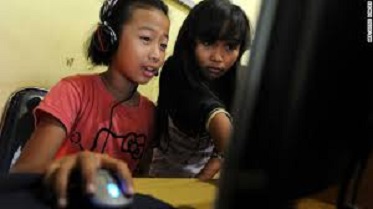
This Facebook Messenger for Pre-Teens does several things. First of all, it lets parents get the app for their child’s device and create the profile. Then, they approve of people who can be on their kids’ page. It also has strict privacy guidelines and filters. The privacy filter helps protect from child predators and other bad guys. Then the filters block any graphic violence or sexual content or other things inappropriate for innocent ears and eyes.? In other words, Facebook is going all out to produce a safe, wholesome atmosphere kids deserve.
However, this kid messenger app has fun things they direct towards kids. For example, kids can make stickers, masks, and other GIF’s and send them to relatives and friends. They’re other fun things to get their attention, like crayons and fidget-spinners. But if a kid wants to friend a classmate, the kid’s parents must approve the request from the other kid’s parents. Also, when the child turns 13, this app doesn’t transfer into a regular Facebook page. At that point, he/she has to create his/her own page just like everyone else.
I do applaud Facebook for going out of their way to create a safe space for kids, especially of this young age. Some may argue, “Isn’t Facebook going too far with these guidelines?”. I don’t think they’re going to far. We had this debate in our Boston computer service shop. Yes, surveillance among adults concern me. But when it comes to the safety of young children, it’s a different story. Social media can be a dangerous world, on all fronts. We in computer repair know it and see the dangers, from ID theft to cyber hijacking viruses. In fact, in the last week, two children committed suicide because of relentless bullying. You can bet the bullying continued over social media. So no, Facebook isn’t going too far. What do you think of Facebook Messenger for pre-teens?
Dec 3, 2017 | News
They say a lot about Black Lives Matter, the group that campaigns against police brutality. However, some government officials call them dangerous. Also, some others go out of their way to spy on them. So let’s see if this civil rights group exposes government surveillance.
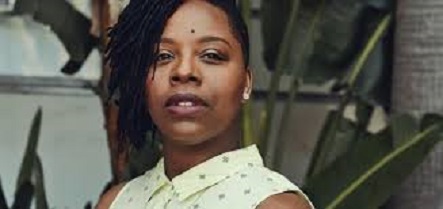
All of this is according to?Patrisse Cullors. If you don’t know of her, then you should know she co-founded Black Lives Matter several years back. She wrote about it in a tell all book. She even gave this kind of surveillance a name: Conitelpro 2.0. Cullors named it that because back in the 1960s, Cointelpro was an government operation that spied on Dr. Martin Luther King, The Black Panthers, and other civil rights leaders and groups. She also revealed that in August 2017, a FBI report called civil rights group BLM “black identity extremists likely motivated to target law enforcement officers”. Furthermore, Cullors says this is something we need to take seriously. But she? revealed a difference between BLM’s situation and those back in the 20th century. She claims back then, they couldn’t really know the FBI or CIA spied on them. However, today, they can see it today.
I find that interesting. It almost sounds like her surveillance situation is better than those who went before. If that’s the case, then I beg to differ. Because today, Cullors and BLM have to contend with surveillance those in the 1960s couldn’t even dream of. Today, they can spy on you through social media pages. How many people lost their jobs that way over recent years? Computer repair and IT support devices themselves can be a weapon of spying. Don’t you know your own smart TV can spy on you, and send your information to the government? Then you have a surveillance camera on every corner, literally. And you have no idea what your neighbor will do with his/her smartphone camera. So I say the surveillance culture is far, far more intense than it was 50 years ago. Speaking about it, like Patrisse Collors is doing, helps. What else will?
