
May 3, 2018 | Security
So last year, we had, and survived viruses like Wannacry and Petya. But now this year, we have new viruses, new threats. That’s just the beginning.
So here are some new names: MasterKey, Fallout and Chimera. Those are just the ones we know of. Also, these new viruses, new threats just came out in early 2018. But these are different, because other viruses attack software. These new ones attack hardware. Yes, cyber security experts are building patches and other remedies to fight these hardware threats. However, is there something even deeper going on here?
Some IT service security journalists say yes. They talk about an ongoing cyber war between hackers and defenders. Furthermore, some speculate websites like Meltdown could be a battleground between hackers and cyber security. Here is the cat and mouse game. Hackers create a virus. Researchers catch it. Then they tell the manufactures and businesses about it so they can fix it. In the best cases, like Meltdown’s website, they give ample warning. That way, somebody can fix the problem. But if a company is warned only a day in advance, that’s when problems can start. Timing can make a world of difference between safety and destruction.
Then there is knowledge. Not only that, but what are you willing to do with that knowledge? For example, Windows XP. This piece of software has been defunct for years. But for some reason, people insists on holding onto it. And for some reason (ahem), hackers insisted on attacking it. Remember the Wannacry last year? It hit British hospitals so bad that heart disease patients couldn’t even get critical surgeries and other treatments. They still held on the XP, which was easy to infect because Windows stopped supporting it…back in 2014! So here we are now. We in IT support tried to warn the world.? New viruses, new threats: That’s just the beginning. What are you going to do about it?
May 2, 2018 | General
So Facebook is having their Face 8 conference in San Jose. That’s quite a feat for Facebook CEO Mark Zuckerberg. I say that because not long ago, Congress grilled him in Washington. But let’s look at this Face 8 conference: announcements and expectations.
So the first thing that strikes me is FaceDate. Yep, you can now set up a profile, to non-friends, a profile strictly for dating purposes. Then, they’ll match your dating profile with other suitors. If they find a match, then they let you know in a special inbox, not the regular Messenger. Maybe Zuckerberg learned something from his trip to Washington. Because now, there’s a ‘clear history’ feature. Here, you can wipe out your data history off their data store.
You don’t think it’s all about Facebook, do you? Surely, you know Facebook is in other things? This is where their Oculus Go comes in. They’re showing off their VR headset. But you can have one, too. A 32 GB one will cost you $199. If you need 64 GB of Facebook VR, then that will cost $249. They’re also celebrating their What’s App getting over 450 million users. They’re also adding stickers and group video chats. Do you have your Oculus Go yet? Then the next step is Oculus TV. They’re still working on it.
There are a few things that strike me here, especially about the FaceDate. Yes, I hear of some people who found love on Facebook. In fact, a regular at our Boston computer service shop claimed he met his wife on his Facebook page. And they make an awesome couple. But why can’t people on your Facebook friend page be included? What if there is somebody on your page you really like, but don’t have to nerve to ask out (sorta like jr. high)? Could FaceDate work in a situation like that? The Oculus Go is intriguing as well. The VR and AI craze dominates IT service these days. What role with it play here? And what role will Facebook privacy awakening play here?

May 1, 2018 | General
So do you still wonder where Amazon will put their second headquarters? I? know Boston is in the running, but Boston will benefit from Amazon already…at least on paper. Amazon comes to Boston, and adds jobs.
In fact, Amazon leaders say they will add 2,000 jobs to Boston. They plan to build a 430,000 square foot skyscraper and office space in downtown Boston, near our computer service shop. Boston Mayor Marty Walsh is happy. In a statement, he said this will add to Boston’s thriving workforce. Massachusetts Governor Charlie Baker also agrees. He praised Amazon for bringing thousands of jobs and help industries like IT support, research and robotics. Furthermore, Boston is still in the running for the big headquarters. You know, the one that they promise will add over 50,000 jobs and billions of dollars.
But what kinds of jobs will Amazon bring to our city? It will be mostly tech jobs. This includes speech science. In other words, they’ll be working on voices for Alexa. Then some others will be reading and working on books for the Amazon Audible service. They’ll also be working on Amazon Web services. Then there will be other employees working on and with Amazon Robotics. Keep in mind this city already has Boston Dynamics. So look at what they’re turning out. I admit, it will be interesting, even fun, to compare what Amazon robotics will do compare to Boston Dynamics.
Ready or not, Amazon comes to Boston. Yes, there is some good that comes with that. Our political leaders confirm it will bring jobs and add to our economy. Those are huge pluses. But what about certain downsizes. Look at Silicon Valley’s mess. Look at the wealth inequality, poverty, and ridiculous cost of housing. Here in Greater Boston, it isn’t much better. Almost daily, I see affordable housing being torn down and luxury condos built for millionaires. Will these jobs ease that burden or add to the burden? Will Amazon pay these employees fairly?

Apr 30, 2018 | General
So Burning Man’s Larry Harvey passes away. He was 70 years old. But what does this Burning Man concert promoter has to do with IT service and technology? More than we think. Because relations between Silicon Valley and Black Rock City is closer than we think.
Burning Man started in San Francisco started in 1986. So before it became a concert, it became a movement of tech innovation. Then, in the early 1990s, they moved to Black Rock City, Nevada. Harvey helped facilitate that move. He did this because he wanted to escape distractions. That way, radical ideas could flow. Even today, tech leaders attend burning man every year. These include small business starters to executives from Google, Facebook and Tesla. In 2004, to create a thinking person’s environment, Harvey came up with ten rules of Burning Man.? Notice how many times he mentions the word ‘radical’ in those rules.
Now, around 70,000 attend Burning Man every year. Furthermore, some of tech’s biggest advancements has ties to this festival. They conducted some of the first self-driving car tests here. The LED tech heads light sculptures there. Last year, they used the Apple ARKit to map LED leaves. You also had the Google SkyBox Imaging satellites. They showed off their new aerial imagery. So here’s another cool thing about Burning Man. No money is allowed, and Harvey saw to it no money was allowed. This forced people to be not only self-reliant, but equal to each other.? Here, the tech billionaire was no better than the struggling tech employee.
This breaks down a lot of barriers and pride, and it causes many IT support ideas to flourish. Before I read about Burning Man’s Larry Harvey passing away, I had crazy notions about Burning Man. I thought it was some modern day combination of Woodstock and Hedonism II. I thought it was some party place where all things debauchery went. But now I know that’s not what Harvey’s legacy intends to happen. Harvey meant for burning man to be a community of freedom and ideas, not an endless spring break party. Have you ever attended Burning Man? If so, then what are some of your memories?
Apr 27, 2018 | Security
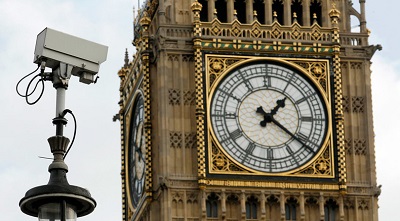
So you think the surveillance industry in the USA is bad? Okay, it is, but we got nothing on the UK. For example, they’re making government workers, including school teachers, wear body cameras. There might be hope. UK Surveillance fail: UK citizens fight back.
So there a privacy rights group they call Liberty’s. Liberty’s has been fighting the Investigatory Powers Act since 2016. This law tells IT service companies and others in IT support to hold all activity logs for a year. Because now, the government can require this info for any and all British citizens. They can also ask it for any reason, anytime, on a whim. Some say this is a national security measure.
However, Liberty’s and others don’t buy it. First of all, they argue the government can use this for any crime, not just violent and major ones. Also, privacy groups say even a corporation can get these activity logs, then use them against anybody. For instance, they can use this to track and hound somebody who is a little late on a bill. The UK High Court (similar to our US Supreme Court) agreed. They said some parts of the Investigatory Powers Act are unlawful. They have until November 1, 2018 to change some of most evasive parts of this law.
I think it’s important to make clear what activity logs are. They are our texts, emails, social media posts and comments, etc. These are things people do all day every day, so much we take it for granted. But they want to hold all of that for a year? And for what? Just in case you do something wrong, so they can hold it against you? That’s not right. So kudos to this UK surveillance fail, and kudos to Liberty’s and other UK citizens for fighting back. But what does this have to do with the USA? Have you not been paying attention over the last five years?
