Mar 8, 2016 | Malware, Security
As far as viruses are concerned, Apple computers have always been the safer bet. It’s often Android and Windows products that have been targeted. In the last few days, that changed.
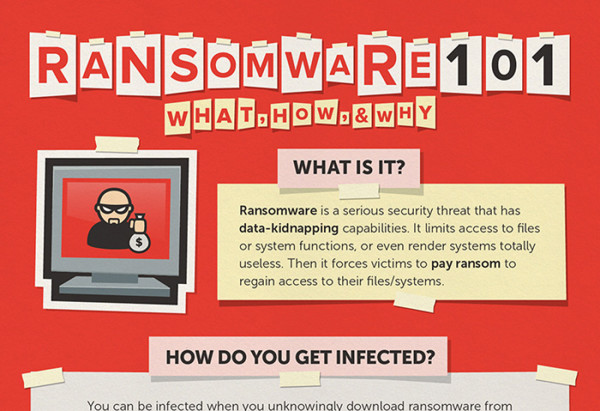
Apple Mac computers were targeted by hackers. The culprits used ransomaware. This is the first attack of it’s kind in Apple history. Ransomware is malware that blocks access to your own computer. Hackers remotely take control and will demand a ransom be paid before they give control back to the machine’s owner. This time, the ‘KeRanger’ virus was used. It was born through a tainted copy of data transfer program called Transmission. This piece of ransomware was downloaded over 6,000 times. That’s a very small dent compared to the 8.8 million cyber attacks that happened in 2014 alone. ?The good news is that Apple’s top developers thwarted and stopped the attacks from getting worse. The bad news, according to cyber experts, is more ‘KeRanger’ ransomware attacks should be expected.?”It’s a small number but these things always start small and ramp up huge,” said a?Fidelis Cybersecurity manager, claiming there’s a lot of money to be made. Apple rep said it will prevent further attacks by revoking certificates that enable rouge software. Transmission is doing it’s part as well. They removed the tainted 2.90 software and replaced it with 2.92, which fights ransomware.
We shouldn’t be surprised that hackers tried to go after Macs. And the experts are right. They will try again. Remember the FBI virus, when they made the virus look like the FBI put a hold on the screen. It was really ransomware hackers. I’m glad Apple developers stop KeRanger before it spread like wildfire. But this proves Apple isn’t immune. It seems almost daily, hackers are getting smarter, more clever, and more deceitful. Don’t let this stop you from buying a Mac. They’re going after any device they can. So if the bad guys are getting smarter, shouldn’t we be?

Mar 7, 2016 | News
Ray Tomlinson passed away ?Saturday at age 74. Some of you may have never heard of this man or his accomplishments. That needs to change.
Ray Tomlinson invented the email. He was the first to choose the @ symbol for electronic messaging. He accomplished this before many of us were even born. In 1971, he was the first to use a direct electronic message, at a time when messages were conducted only on limited networks. Decades later, Tomlinson recalled the first message between two machines. The first message was QWERTYUIOP, the first letter row on a keyboard. When he saw the message got through to the other machine, he messaged his colleagues explaining how to send them over the network. At the same time, Tomlinson invented the user@host email standard. ?The email concept was born. Even in the early ’70s, he envisioned the email being used around the world by all people. His vision didn’t really come true until the 1990s, when the Internet exploded globally, first used for a US government network. Tomlinson’s innovations won him a spot in the Internet Hall of Fame in 2012. Tributes are pouring out from former employers and Twitter feeds. He’s being remembered as a technology pioneer. More importantly, Tomlinson is being remembered as being humble, kind and generous.
Ray Tomilson’s cause of death is unknown. We at Geek Choice sent our condolences to Ray Tomlinson’s family, friends and other loved ones. We thank Mr. Tomilson’s for his innovations and contributions to the tech world. Just about everybody uses emails today. That wouldn’t have happened if not for Ray Tomlinson. It’s amazing how one man’s invention changed the course of the world forever, though it took over 25 years to change it. We should not only remember Ray Tomlinson, but other tech heroes whose names aren’t known about. I think of people calling Tomilson humble and kind. Those adjectives are hard to come by in the tech world today. So let’s pay honor to all tech heroes, preferably while they’re still alive. Who is a tech innovator whose story needs to be told?

Mar 6, 2016 | Computer technology, Humor
Smartphone uses love Siri and other phone voices. We Americans are fascinated with accents, whether it be from other parts of the country or foreign nations. There’s technology to combine both.
Eventually, that robotic smartphone voice is going to get tired. For some, it already may be tiresome. Now, your phone can speak in a British accent. This works for both Apple and Android based devices. For iPhone, open Settings, the Siri, then Siri voice, and choose the accent option. So far, there’s male, female, American, Australian, and British. For Android devices, tap the menu icon on the Google Now screen. Then tap Voice, then tap Language. They have many languages to choose from, including several English languages. Choose English UK. There you have your British accents. Don’t expect Paul McCartney, Julie Andrews, or any spectacular, breathtaking British accent with this option, anymore than you should expect James Earl Jones or Morgan Freemen when you choose the male and American options. The British voice is just as generic and almost as robotic as the American option. I haven’t heard the Australian option yet, but I wouldn’t expect Hugh Jackman or Olivia Newton-John to direct your GPS, either.
But the phone accents they have now is a great start. But it’s just a start. I’d like them to add more accents. How about the French, German, Italian, Mexican, Brazilian, or Jamaican accents. While Android offers different languages, and that’s great, but I’m talking about English language with these accents. Let’s take it even further. How would you like different access from different regions of the US? Obviously, not all Americans sound the same. We could have a Boston accent. We could have a Brooklyn accent. We could have a Southern accent. We could have a California Valley Girl accent. What accent would you like your smartphone voice to have?
Mar 5, 2016 | Uncategorized
You may have noticed some changes of Facebook lately. You probably noticed a new emoji set you can choose from, such as laughter, happy, sad, or angry. People have used them on my posts. This is just a handful of new emojis coming to a computer or device near you.
Instead of just liking a Facebook post, you can use an emoji emotion. Are you still a fan of Pokemon, twenty years after the cult phenomenon swept the world? You can use those in place of the regular emojis. First, download Reaction Packs. Reaction Packs is a browser extension for both Google Chrome and Firefox. Then swap default reactions for custom reactions like Pokemon or other emotions they’re coming out with. These reactions are timely to say the least. There’s an emoji set featuring the faces of billionaire turned Republican presidential front runner Donald Trump. If you can’t get enough of him, there’s an emoji for that. You can choose between six of Trump’s facial expressions: like, love, haha (funny), wow (shock value), sad or angry. Yes, these are real pictures of the presidential candidate. There’s also a Soot Sprites set of the emoji.
This is intended to make Facebook life fun. I don’t know about that, but it will make the Facebook experience more interesting. How would you like to see Trump’s handsome face with every post you have? I’m sure there will be some who will beret and even unfriend you if you even choose this emoji set. This election is just that touchy. You could go nostalgic with Pokemon. With the shape of our nation and world today, who doesn’t need a mental trip to the 1990s? I’ve seen the Soot Sprites. This is just my opinion, but they just creep me out. What emoji set would you like to see? And what ever happened to that Facebook dislike button idea?
Mar 3, 2016 | Uncategorized
The 2010s will be the decade of many things. One thing the 2010s will be known for is the decade of surveillance. On every corner, in every public place everywhere, you’re being watched, whether you know it or not or like it or not.
Now there’s some software that lets you know if you’re employer is monitoring you. For Apple users, it’s through iOS 9.3, and it will let you know if your workplace is monitoring your iPhone activities. When the iPhone is being watched, a message will come on the bottom on the screen saying, “This iPhone is managed by your organization.” It won’t shut down your employer’s surveillance or give you more privacy. All iOS 9.3 does is let you know when you’re being monitored. The rest is up to you. The software probably won’t work if others (family, friends, advertisers, total strangers, government agencies) are monitoring through your iPhone. Employers can supervise devices through Apple’s Device Enrollment Program. Corporations can send Apple products to their employees for any reason. There’s also a program called Mobile Device Management (MDM). This lets the employer manage and supervise software on the iPhone. Through this, the employer can keep tabs on their staff.
It strikes me we’re learning about this at the same time of Apple‘s legal battle with the FBI over a terrorist’s iPhone. I’m all about the right to privacy, but here, I empathize with the employers. If the employer gives you an iPhone for work purposes, then they have legal right to supervise what’s going on there. So be careful of how you use that device. But I can’t let employers completely off the hook. The MDM program should be used, not abused. So if they’re going to monitor their employees, it needs to be for a real good reason. Thanks to iOS 9.3, they can see if they’re being monitored. That could cause all sorts of office problems. Could iOS 9.3 be an equalizer in work relations?
